16-Bar Blues: Eight Bars on I, as in Hoochie Coochie Man
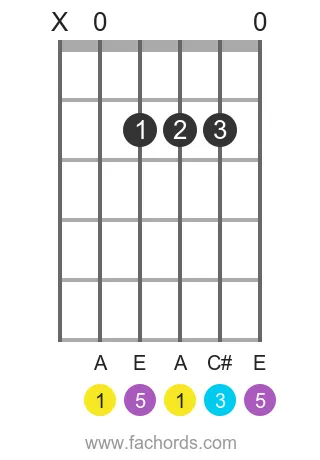
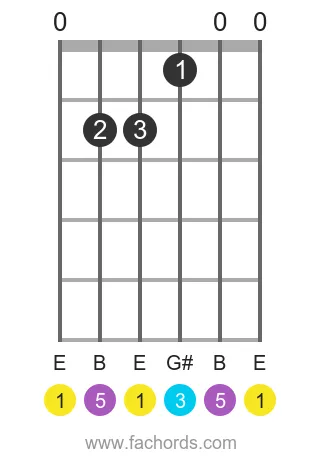
Eight bars on one chord, and only then does the band move. This 16-bar blues (or sixteen-bar blues) takes the first four bars of a 12-bar and doubles them, so the tonic gets twice the time before the usual ending. In A, with open shapes for all three chords, it looks like this:
- Bars 1 to 8: A (I)
- Bars 9 to 12: D D A A (IV IV I I)
- Bars 13 to 16: E D A A (V IV I I)
In the key of C that is eight bars of C, then F F C C and G F C C. In Nashville numbers the end reads 4 4 1 1, 5 4 1 1. Hear all five keys and count along.
Four More Bars, and They All Go First
Compare it with the 12-bar blues. A 12-bar plays four bars of I and then moves to IV. This form plays eight. From there the two are identical: IV, I, V, IV, I.
So all the waiting sits at the start. The Watermelon Man form does the opposite: it keeps the 12-bar opening and stretches the end with an extra V IV V IV.
What Do You Play for Eight Bars?
Not eight bars of strumming, if you listen to these two songs. Hoochie Coochie Man plays a riff on A, eight times. Blue Suede Shoes uses stop-time. Long tonic bars like these are usually a stop-time riff, with the band hitting a figure and the singer talking over the gaps.
| Song | Artist | Section | Chords | Key |
|---|---|---|---|---|
| Hoochie Coochie Man | Muddy Waters | verse and chorus | A riff x8 | D D7 A7 | E7 D7 A7 E7 | A major |
| Blue Suede Shoes | Elvis Presley | verse | A stop-time | D7 A | E7 A | A major |
Try it. Hit an A chord on the first beat of each bar and let the rest of the bar stay silent. Count all eight bars out loud, then strum the D with everything you have. Does that move sound like a chorus to you? That is the payoff of the wait.
Then turn the hit into a figure of your own with a few blues riffs. It only has to fit in one bar, since you'll repeat it.
Sevenths in the Second Half
Both songs are in A, and both bring in sevenths once the band leaves the tonic. Blue Suede Shoes plays D7 A, then E7 A. Hoochie Coochie Man goes D D7 A7, then E7 D7 A7 E7, and that last E7 sends it back to the top.
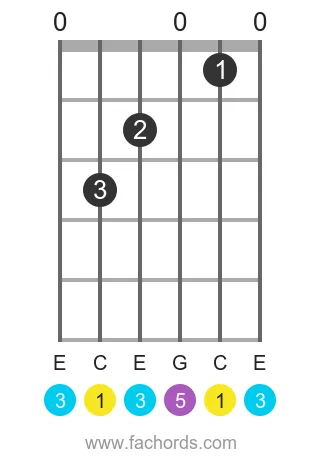
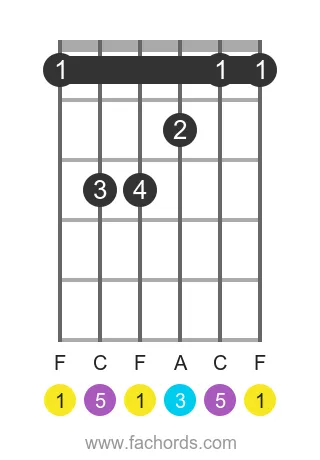
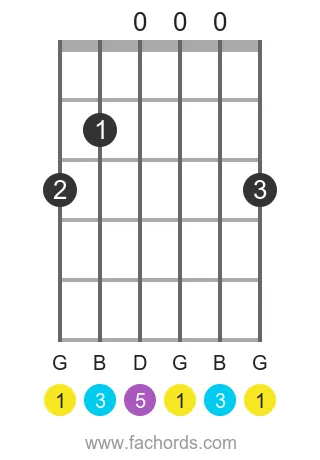
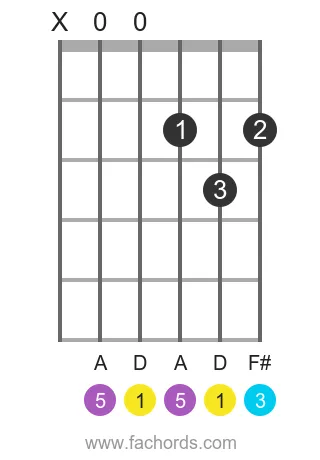
16-Bar Blues Chord Progression: Chords and Audio in C, G, D, A and E
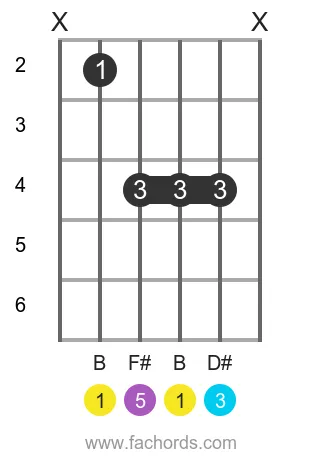
Press play to hear each key. The diagrams show the shapes used in the audio, and every chord links to its full page.
More progressions like this one
- 8-bar blues, Worried Life form: C / C / F / F / C / G / C F / C G
- 16-bar blues, Watermelon Man form: C C C C / F F C C / G F G F / G F C C
- Bebop blues: C7 / F7 / C7 / Gm7 C7 / F7 / F#dim7 / C7 / Em7 A7 / Dm7 / G7 / C7 A7 / Dm7 G7
- I-IV-I-V-I: C F C G C

Created by
Giancarlo is a musician (teaching guitar since 2000), software engineer, AI consultant and published researcher
FAQ
How do you turn a 12-bar blues into a 16-bar blues?
Double the first four bars. You get eight bars on the tonic, then the usual IV, I, V, IV, I ending. The Watermelon Man form instead adds its extra bars near the end.
What happens during the eight tonic bars of a 16-bar blues?
Hoochie Coochie Man plays a riff on A, and Blue Suede Shoes uses stop-time. In bars like these the band usually hits a figure and the singer talks over the gaps.
Which key suits a 16-bar blues on guitar?
Hoochie Coochie Man and Blue Suede Shoes are both in A, and A, D and E are all open shapes. In A major: A A A A A A A A D D A A E D A A.
What are the chords of Hoochie Coochie Man?
In the key of A it plays a riff on A eight times, then D D7 A7, then E7 D7 A7 E7. Muddy Waters plays this in the verse and chorus.
