Bebop Blues: More ii-Vs Than a Jazz Blues, Fewer Than Bird Blues
What does a soloist want from a blues? In the bebop blues, also called the bop blues, the answer is a ii-V to aim at every few bars, while the 12-bar shape stays easy to hear. Here it is in G:
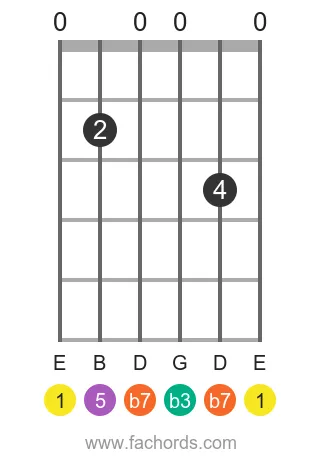
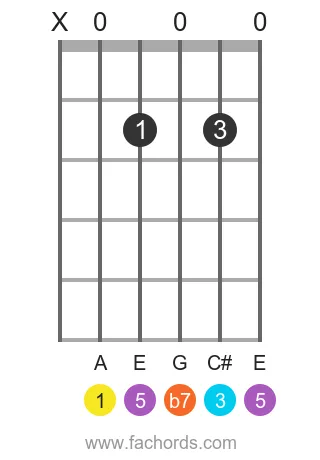
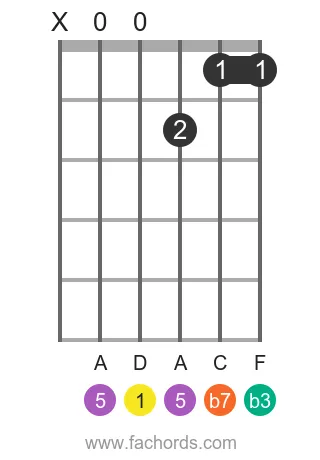
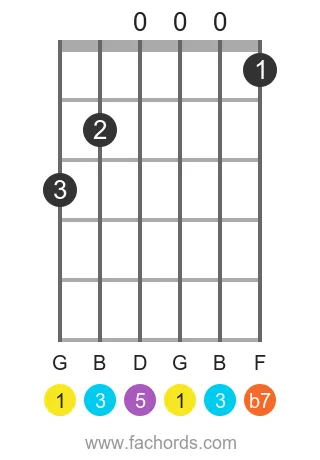
- Bars 1 to 4: G7 | C7 | G7 | Dm7 G7 (I7 | IV7 | I7 | v7 I7)
- Bars 5 to 8: C7 | C#dim7 | G7 | Bm7 E7 (IV7 | #ivdim7 | I7 | iii7 VI7)
- Bars 9 to 12: Am7 | D7 | G7 E7 | Am7 D7 (ii7 | V7 | I7 VI7 | ii7 V7)
The Nashville version of bar 4 is 5m(7) 1(7), and of bar 8 it is 3m(7) 6(7). All five keys, with audio, are further down.
What the Jazz Blues Doesn't Have
This form sits between the jazz blues and the Bird blues. The diminished chord in bar 6 and the ii-V in bars 9 and 10 are already in the jazz blues. What is new:
- Bar 4: v7 I7 is a ii-V into the IV of bar 5.
- Bar 8: iii7 VI7 leads into the ii of bar 9.
- Bars 11 and 12: the ending becomes an I-VI-ii-V turnaround.
Spelled in the key of C, five of the chords come from outside C major: C7, F7, Gm7, F#dim7 and A7. Only Em7, Dm7 and G7 are inside.
Hear the Targets First
Before you solo, find out where each ii-V lands. In G, play these two moves slowly and let the last chord ring:
- Dm7 G7 into C7, bars 4 and 5.
- Bm7 E7 into Am7, bars 8 and 9.
Now do the same in your soloing: pick one note of the target chord and try to arrive on it on the first beat of the bar. I suggest you start with those two spots only. These blues chord tone exercises are a good warm-up.
How Closely Do the Three Heads Follow the Map?
All three tunes play it for head and solos, and they don't agree.
| Song | Artist | Section | Chords | Key |
|---|---|---|---|---|
| Au Privave | Charlie Parker | head and solos | F7 | Bb7 | F7 | Cm7 F7 | Bb7 | Bdim7 | F7 | Am7 D7 | Gm7 | C7 | F7 D7 | Gm7 C7 | F major |
| Billie's Bounce | Charlie Parker | head and solos | F7 | Bb7 Bdim7 | F7 | F7 | Bb7 | Bb7 | F7 | Am7 D7 | Gm7 | C7 | F7 D7 | Gm7 C7 | F major |
| Sonnymoon for Two | Sonny Rollins | head and solos | Bb7 | Eb7 | Bb7 | Bb7 | Eb7 | Eb7 | Bb7 | Bb7 | Cm7 | F7 | Bb7 G7 | Cm7 F7 | Bb major |
- Au Privave by Charlie Parker follows it bar for bar in F.
- Billie's Bounce matches it from bar 7 on, but moves the Bdim7 up to bar 2 and stays on F7 in bar 4 and on Bb7 in bars 5 and 6.
- Sonnymoon for Two by Sonny Rollins is in Bb and keeps only the ending: Cm7, F7, Bb7 G7, Cm7 F7. No diminished chord, and nothing added in bars 4 or 8.
So read the form as a map, not a rule.
Bebop Blues Chord Progression: Chords and Audio in C, G, D, A and E
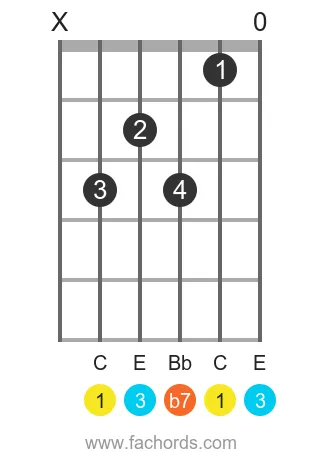
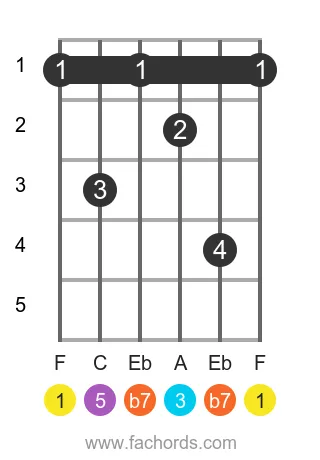
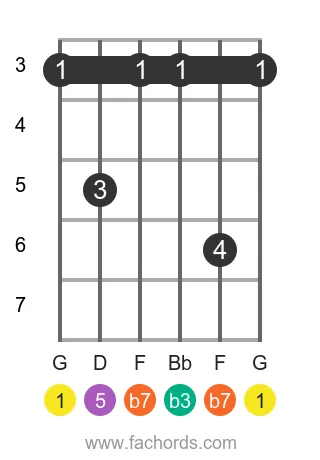
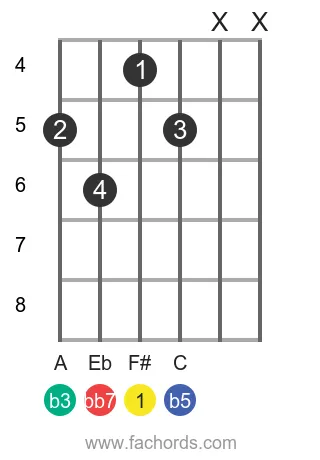
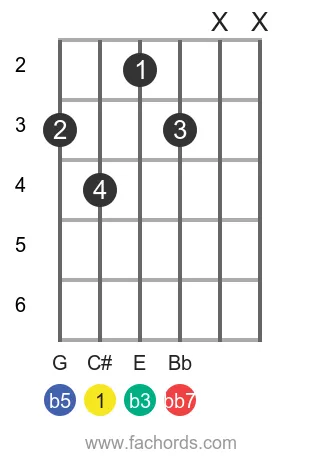
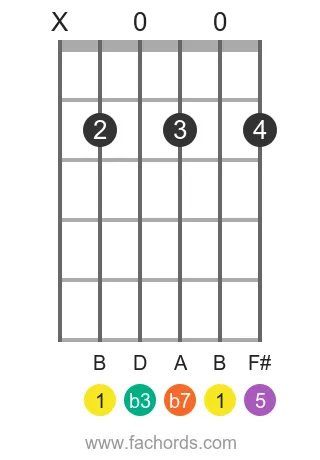
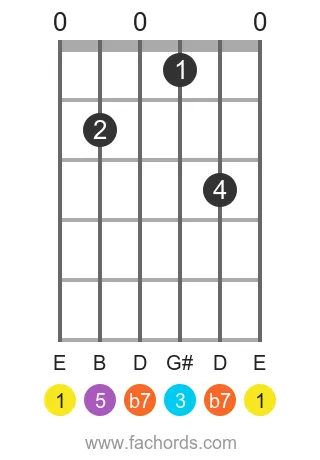
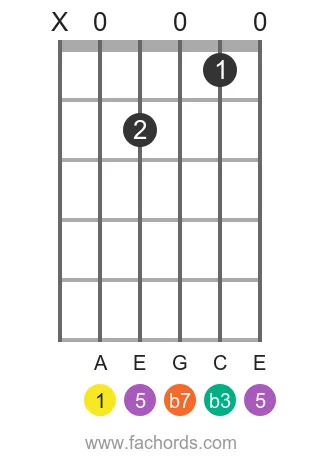
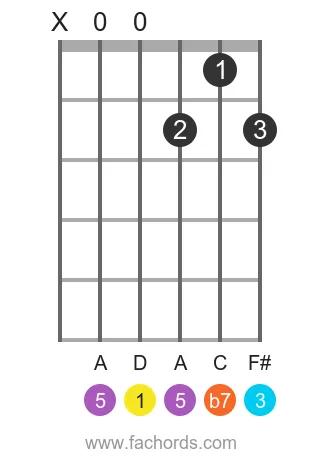
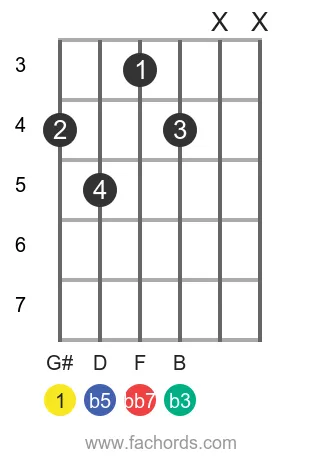
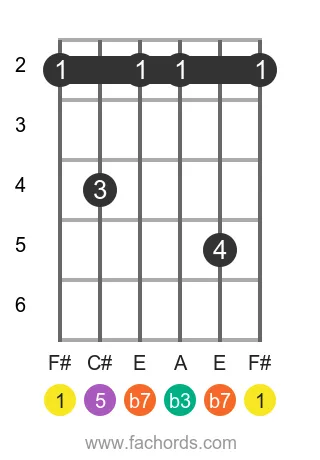
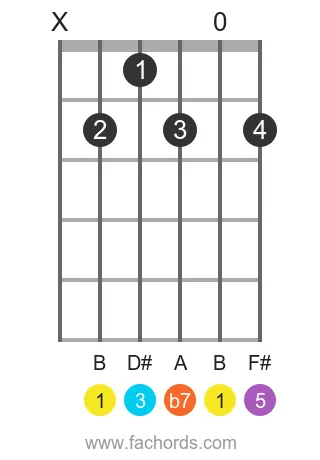
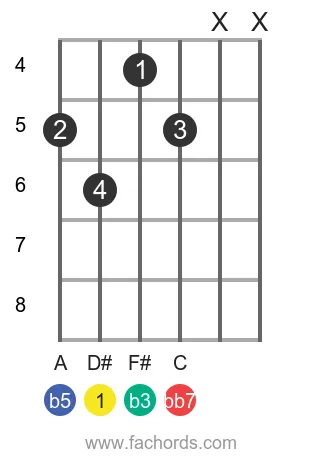
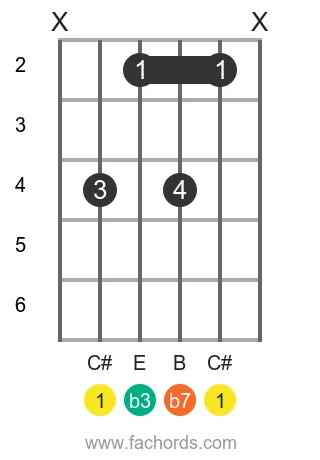
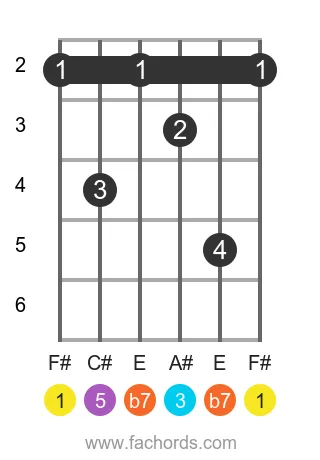
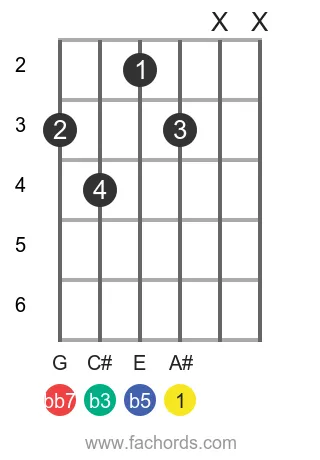
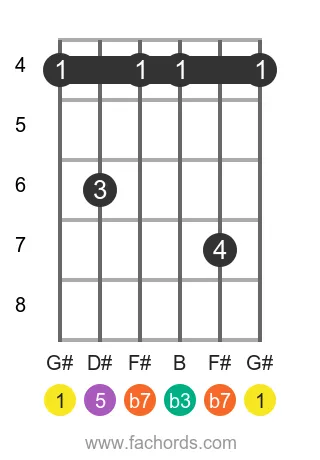
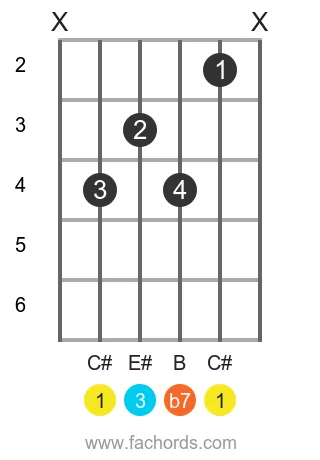
Press play to hear each key. The diagrams show the shapes used in the audio, and every chord links to its full page.
Key of C major
Key of G major
Key of D major
Key of A major
More progressions like this one
- I-IV-I-V-I: C F C G C
- 12-bar blues, slow change: C C C C / F F C C / G F C C
- 12-bar blues, quick change: C7 F7 C7 C7 / F7 F7 C7 C7 / G7 F7 C7 G7
- Jazz blues: C7 F7 C7 C7 / F7 F#dim7 C7 A7 / Dm7 G7 C7 G7

Created by
Giancarlo is a musician (teaching guitar since 2000), software engineer, AI consultant and published researcher
FAQ
What is a bebop blues?
It is a 12-bar blues, also called a bop blues, with a ii-V target every few bars. It sits between the jazz blues and the Bird blues, and the 12-bar shape stays easy to hear.
How is the bebop blues different from the jazz blues?
It adds a ii-V into the IV in bar 4, a iii7 VI7 into the ii in bar 8, and a I-VI-ii-V turnaround in the last two bars.
Does Billie's Bounce follow the bebop blues exactly?
Not in the first half. It puts Bdim7 in bar 2 and stays on Bb7 in bars 5 and 6, then matches the form from bar 7 on, in F.
How does the bebop blues read in the key of G?
In G major: G7 C7 G7 Dm7 G7 C7 C#dim7 G7 Bm7 E7 Am7 D7 G7 E7 Am7 D7. Bars 4, 8, 11 and 12 hold two chords each.
