Picardy Third Ending: Am Dm E, Then A Major Where Am Should Be
One fret. That's how far a minor ending sits from a Picardy third, the tierce de Picardie if you prefer the French name. The i-iv-V-I version runs Am Dm E A in A minor, and the surprise is that last A.
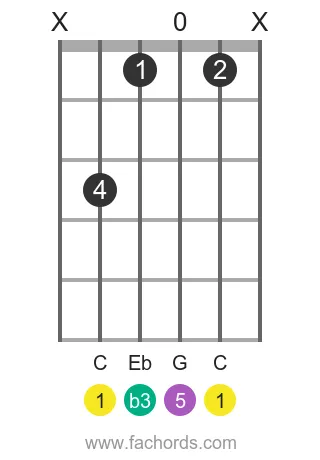
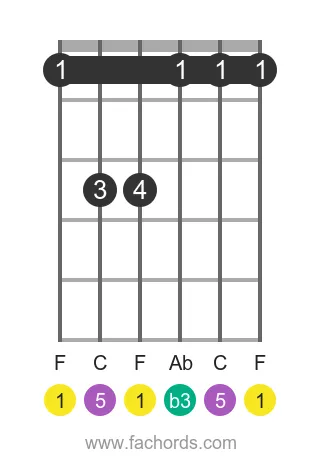
The Nashville form is 1m 4m 5 1. From C minor you get Cm Fm G C, and the last two chords sit outside the key: G has a B natural, and C major has an E natural where the key has Eb. Grab the other versions in the chord section.
End on Am, Then End on A
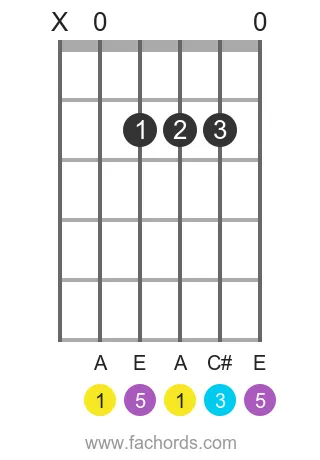
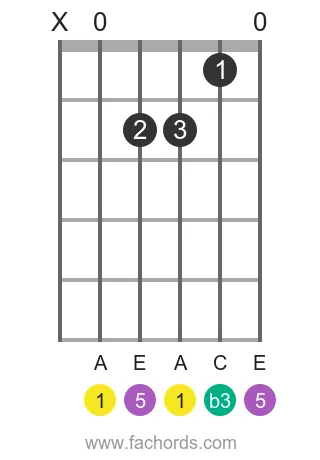
Here's the test. Play Am Dm E Am and stop. Then play Am Dm E A and stop. Everything is identical until the last chord, and in that chord only one note changes: on string 2, fret 1 moves to fret 2, so C becomes C#.
That C# is the raised third, and it's the whole trick. A and E stay as they were. Let each ending ring for a few seconds and listen to how the mood of the last bar turns.
The Name Belongs to the Last Chord
Don't get too attached to these four numerals. The term refers to the final chord, so i-iv-V-I is only one common way to reach it. Any cadence in a minor key can do the job, as long as the chord you land on is major when it should be minor.
The first three chords are the minor i-iv-V. So take that loop and use this as the way out, once, at the very end. If you go round again, A has to turn back into Am, so it stops being an ending.
The Picardy third itself was a Renaissance and Baroque habit, and later writers borrowed it for a moment of release.
A Bridge Ending in E Minor
There's one song here, and it saves the move for the end of the bridge:
| Song | Artist | Section | Chords | Key |
|---|---|---|---|---|
| Man We Was Lonely | Paul McCartney | bridge ending | Am7 B7 E | E minor |
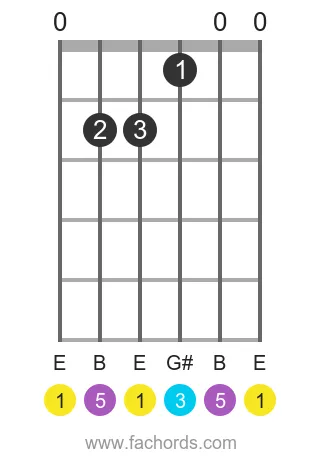
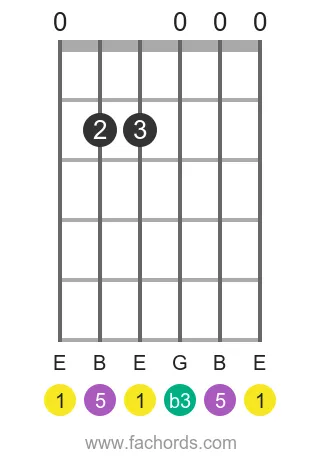
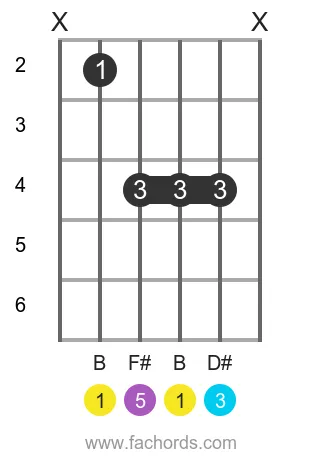
Man We Was Lonely plays Am7 B7 E. Those are iv, V and I in E minor, with sevenths on the first two. So E takes the place of Em, and a G# replaces the G of the key. Compare it with the E minor version, Em Am B E, then try it with the sevenths.
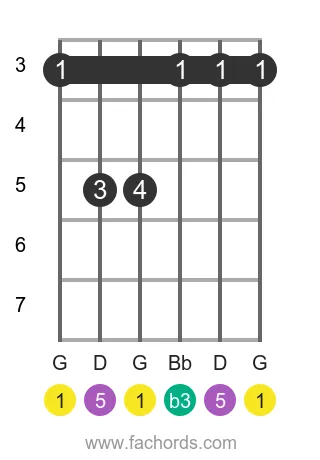
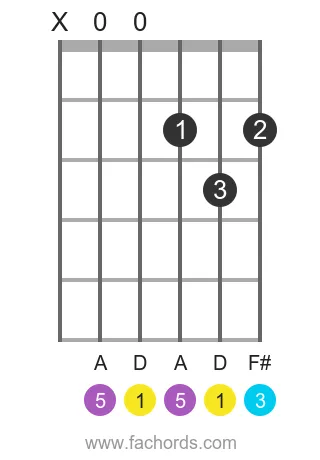
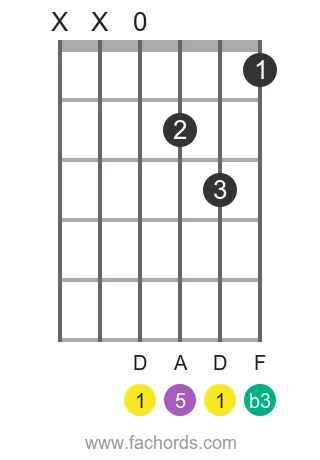
Picardy Third: Chords and Audio in C, G, D, A and E
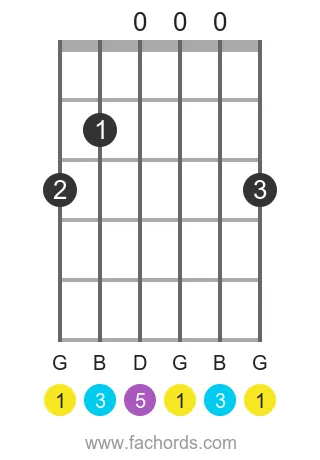
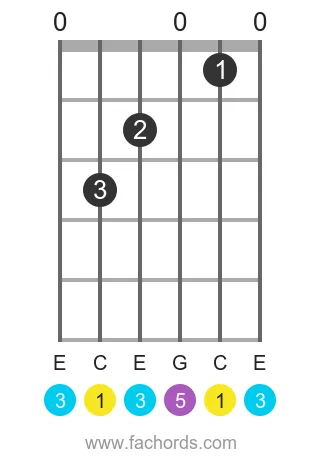
Press play to hear each key. The diagrams show the shapes used in the audio, and every chord links to its full page.
Shorter progressions inside it
- Minor i-iv-V: Cm Fm G
More progressions like this one
- Minor circle of fifths: Cm Fm Bb Eb Ab Dm7b5 G Cm
- Minor i-iv-bVII: Cm Fm Bb
- Minor i-bIII-bVI-bVII: Cm Eb Ab Bb
- Minor i-bVI-iv-V: Cm Ab Fm G

Created by
Giancarlo is a musician (teaching guitar since 2000), software engineer, AI consultant and published researcher
FAQ
What is a Picardy third?
It is a major chord at the end of a minor passage. The third of the last chord is raised, so a cadence that should end on Am ends on A. It is also called the tierce de Picardie.
Which chords make a Picardy third ending in each minor key?
In C minor: Cm Fm G C. In G minor: Gm Cm D G. In D minor: Dm Gm A D. In A minor: Am Dm E A. In E minor: Em Am B E.
How do I play a Picardy third on guitar in A minor?
End on A major in place of Am. With open shapes, the finger on fret 1 of string 2 moves to fret 2, so the C of Am becomes the C# of A.
Does a Picardy third have to come after i-iv-V?
No. The term refers to the last chord, so i-iv-V-I is one common way to reach it. Man We Was Lonely by Paul McCartney reaches it with just iv-V-I, as Am7 B7 E.
