I-II-ii: The Half-Step Turn Inside Take the A Train
The A section of Take the A Train goes C D7 Dm7 G7, and the first three chords are I-II-ii. As plain triads in the key of C they're C D Dm, or 1 2 2m in Nashville numbers. The D chord sits outside the key because of its F#.
It's a jazz standard move, and it tends to be used sparingly, or next to other common jazz phrases. Full chords and audio are in the section with the five keys.
The Root Holds, One Note Falls
D is D F# A. Dm is D F A. So the root stays put while one voice steps down a half step, F# to F. It's the same major-to-minor mixture as I-i, moved to the second degree.
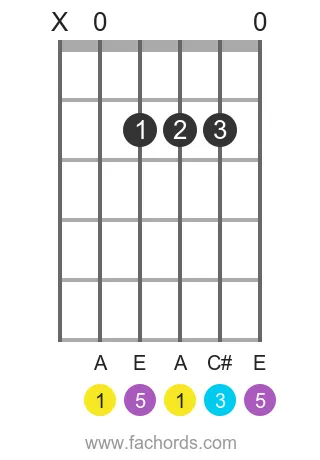
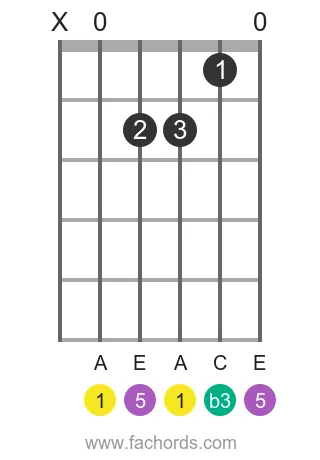
The II is a secondary dominant shade, and the ii is its diatonic version, the one that belongs to the key. For open shapes, go to the key of G: G A Am. From A to Am the second string drops from fret 2 to fret 1, C# to C. Play only that string, then the chords.
Three Exits After the ii
In the three jazz tunes the ii is only a stop on the way. Each A section keeps going, and they take different exits:
- Take the A Train: Dm7 to G7, then you're in a plain ii-V. Here are its full changes.
- Girl From Ipanema: Fmaj7 G7 Gm7 Gb7, where the root of the last chord slips a half step lower. Here are the Ipanema changes.
- Mood Indigo: Abmaj7 Bb7 Bbm7 Eb+7, with an augmented V.
Outside jazz, Oh Darling plays A B7 Bm7 in the chorus, and Turn to Stone goes E F# F#m Am B, using plain triads and adding a minor iv on the way.
| Song | Artist | Section | Chords | Key |
|---|---|---|---|---|
| Girl From Ipanema | Antonio Carlos Jobim | A section | Fmaj7 G7 Gm7 Gb7 | F major |
| Take the A Train | Duke Ellington | A section | C D7 Dm7 G7 | C major |
| Mood Indigo | Duke Ellington | A section | Abmaj7 Bb7 Bbm7 Eb+7 | Ab major |
| Turn to Stone | Electric Light Orchestra | verse | E F# F#m Am B (I II ii iv V) | E major |
| Oh Darling | Supertramp | chorus | A B7 Bm7 (I II7 ii7) | A major |
Loop C D7 Dm7 G7
Loop C D7 Dm7 G7 slowly. All four are open shapes, so you can focus on your ears: at each D7 to Dm7 change, listen for the one note that drops. When it feels natural, explore more jazz chord progressions.
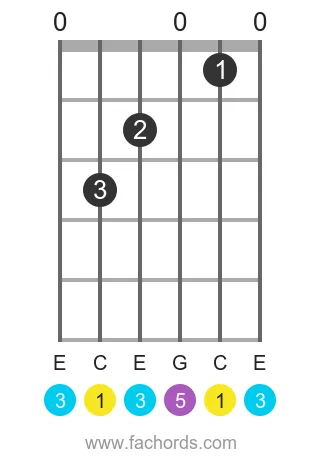
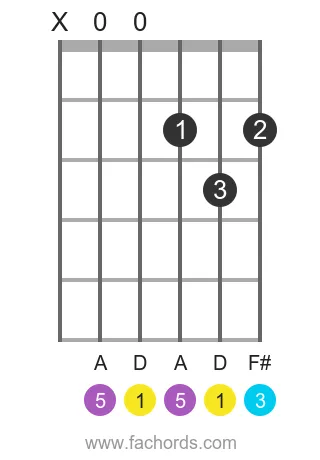
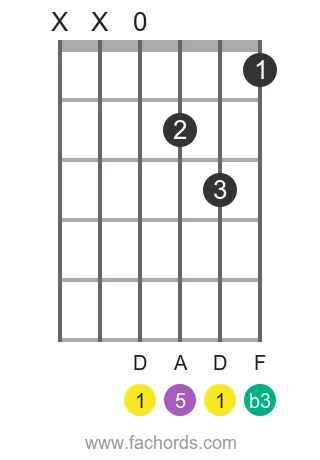
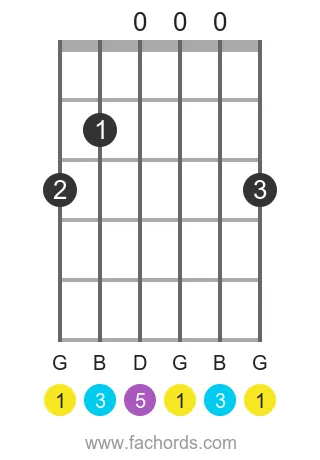
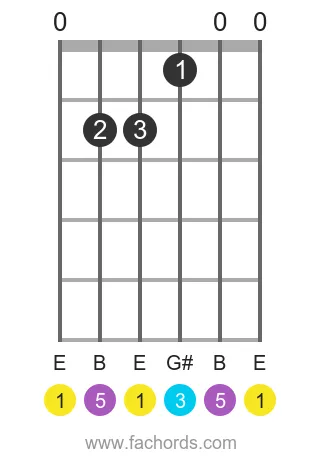
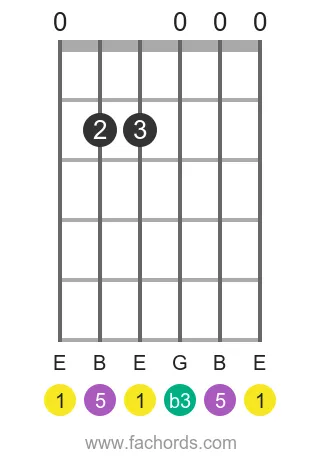
I II ii Chord Progression: Chords and Audio in C, G, D, A and E
Press play to hear each key. The diagrams show the shapes used in the audio, and every chord links to its full page.
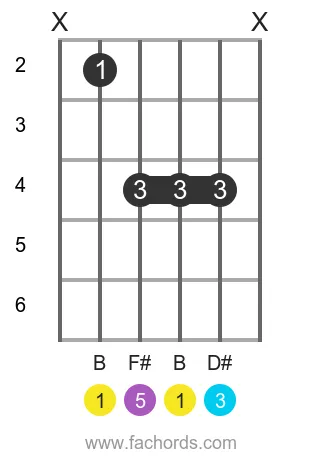
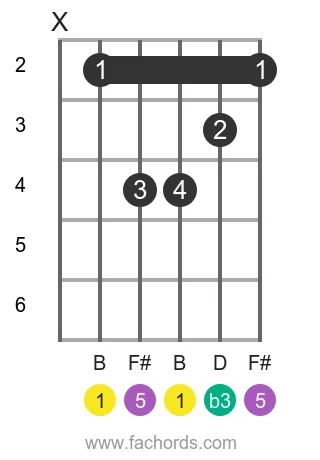

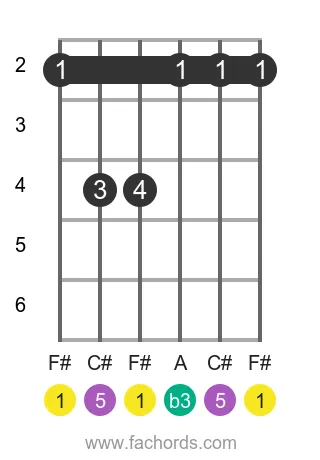
Longer progressions that contain it
- Take the A Train changes: Cmaj7 D7 Dm7 G7
- Girl from Ipanema changes: Cmaj7 D7 Dm7 Db7
More progressions like this one
- I-v-ii: C Gm Dm
- Creep progression: C E F Fm
- I-bIII-IV: C Eb F
- I-bIII-IV-bVI: C Eb F Ab

Created by
Giancarlo is a musician (teaching guitar since 2000), software engineer, AI consultant and published researcher
FAQ
How is C D Dm written in the other keys?
In C major: C D Dm. In G major: G A Am. In D major: D E Em. In A major: A B Bm. In E major: E F# F#m.
Why does the II turn into a ii?
The II is a secondary dominant shade with an F#, and the ii is its diatonic version with F natural. The root holds and one voice steps down a half step.
Which jazz standards use I II ii?
Take the A Train plays C D7 Dm7 G7, Girl From Ipanema plays Fmaj7 G7 Gm7 Gb7, and Mood Indigo plays Abmaj7 Bb7 Bbm7 Eb+7, all in the A section.
