I ii iii V: A Stepwise Climb That Leaps Over the IV
Start on C and walk up the key one chord at a time: C Dm Em. Then, where the next step would be F, leap to G. That's I-ii-iii-V, or 1 2m 3m 5 in the Nashville Number System. The five keys and the audio are further down.
Two Steps and a Leap
The rising bass is what makes this loop sound optimistic: C, D, E, then up to G. The chords on the steps have nothing in common. C to Dm shares no notes, and neither does Dm to Em, so in those two changes every note moves.
The leap is the surprise. Em to G jumps in the bass, yet it keeps more notes than any other change in the loop: G and B stay where they are. That iii to V move prepares the return to I, and G carries over into C.
Trading the V for a IV
Taking away the usual IV and adding both the ii and the iii gives you a very different pop song vibe. Now hear what the IV would have done. Play C Dm Em G, then the twin I-ii-iii-IV, C Dm Em F. A few songs do use the IV in place of the V, and the two loops share their first three chords.
Sometimes the ii and iii are switched around too. Try C Em Dm G and listen to the climb turn into a zigzag.
Four Songs, Hardly Any Plain Triads
Only Sometime in the Morning plays the bare chords, E F#m G#m B, in the intro and verse. Here's a tip for that key: F#m and G#m are the same barre shape, two frets apart, so your hand just slides.
The other three dress the loop up:
- Heal the World plays A Bm7 C#m Bm7/E. That last chord is the V written as a V11, with E in the bass under a Bm7.
- The Modern Age starts with D/F# and adds a seventh to the ii, in its chorus: D/F# Em7 F#m A.
- What's New Pussycat? plays D Em/G F#m/A A11 for its intro, with slash chords on the ii and iii.
| Song | Artist | Section | Chords | Key |
|---|---|---|---|---|
| Heal the World | Michael Jackson | verse | A Bm7 C#m Bm7/E (I ii7 iii V11) | A major |
| Sometime in the Morning | The Monkees | intro and verse | E F#m G#m B (I ii iii V) | E major |
| The Modern Age | The Strokes | chorus | D/F# Em7 F#m A (I6 ii7 iii V) | D major |
| What's New Pussycat? | Tom Jones | intro | D Em/G F#m/A A11 (I ii6 iii6 V11) | D major |
Pick the one you like and play it next to the plain version. Follow the bass in each one, since the slash chords change the walk.
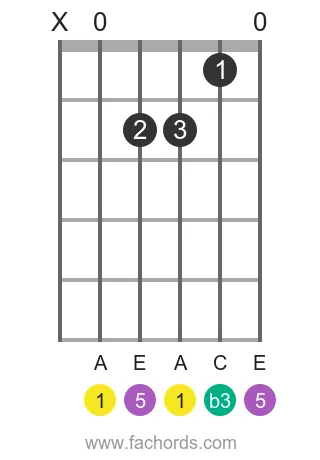
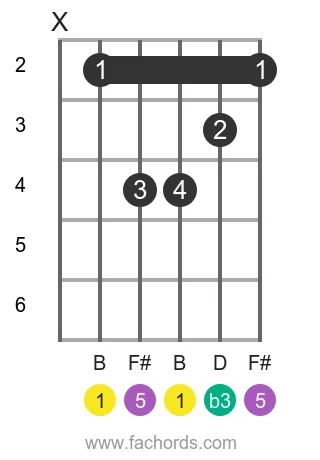
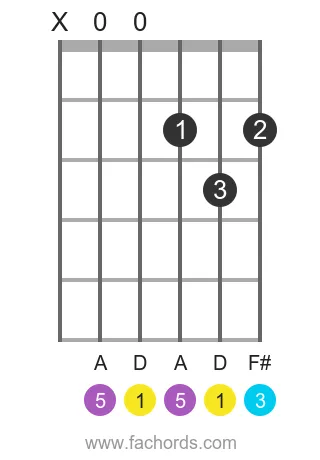
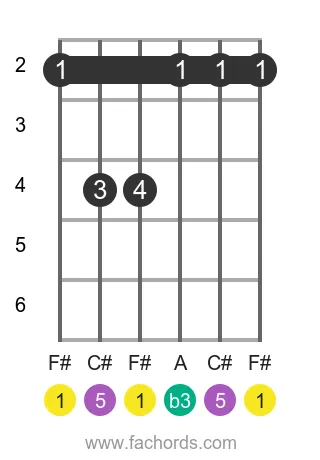
I ii iii V Chord Progression: Chords and Audio in C, G, D, A and E
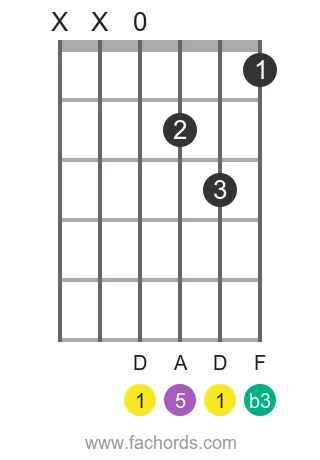
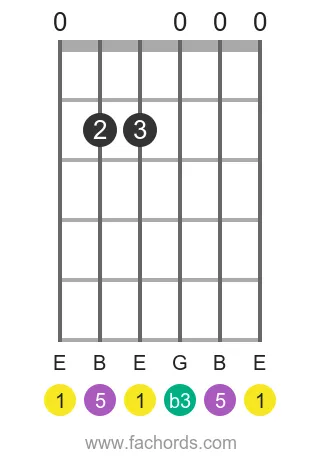
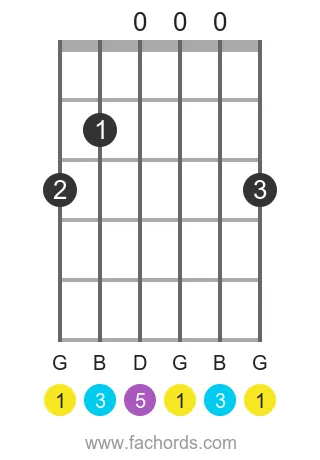
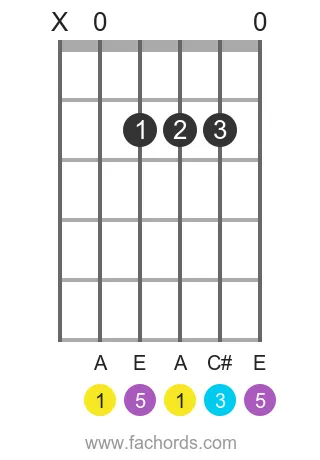
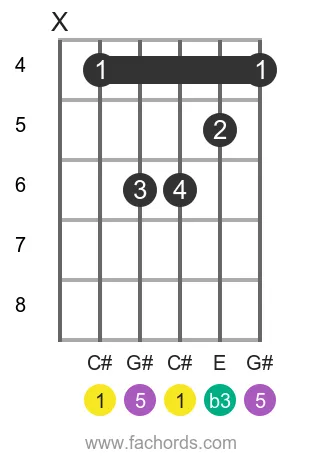
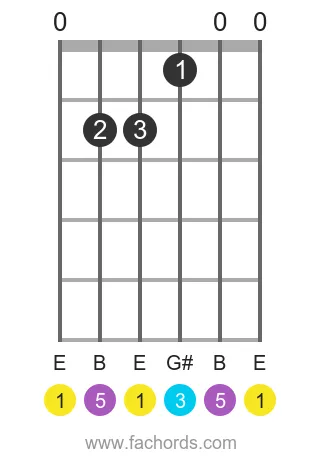
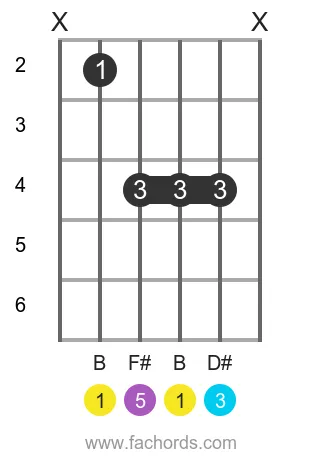
Press play to hear each key. The diagrams show the shapes used in the audio, and every chord links to its full page.


More progressions like this one
- Royal Road progression: F G Em Am
- I-ii-iii-IV: C Dm Em F
- Descending bass line: C G/B Am C/G
- I-iii: C Em

Created by
Giancarlo is a musician (teaching guitar since 2000), software engineer, AI consultant and published researcher
FAQ
How is I ii iii V spelled in each key?
In C major: C Dm Em G. In G major: G Am Bm D. In D major: D Em F#m A. In A major: A Bm C#m E. In E major: E F#m G#m B.
Why does I ii iii V skip the IV?
It climbs by step from I to iii, then jumps to V. Leaving out the usual IV and using both the ii and the iii gives it a different pop sound.
What is the difference between I ii iii V and I ii iii IV?
The last chord. Both climb through I, ii and iii, then one leaps to the V and the other takes one more step to the IV.
Which song uses A Bm7 C#m in the verse?
Heal the World by Michael Jackson plays A Bm7 C#m Bm7/E in the verse. In the key of A that reads I, ii7, iii, and a V11.