The Descending Bass Line: From Tears in Heaven to Always on My Mind
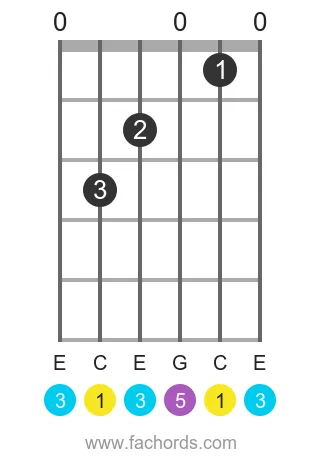
What if the chords stayed simple and the bass did the walking? C G/B Am C/G is the descending bass line, written I-V6-vi-I64: a line that goes C, B, A, G under the I, V, vi and I. It's one of the most common voice-leading devices in singer-songwriter music.
It's not an easy one to notate, so the symbols can look odd at first. They're simple once you know what they say, and the diagrams and audio in five keys will show you each shape.
Reading the Slash and the Numbers
A slash chord is a chord over a chosen bass note. G/B is a G chord with B in the bass, and C/G is a C chord with G in the bass. Those two are inversions, and they're what lets the line walk down by step.
The other two ways of writing it say the same thing:
- I-V6-vi-I64: the 6 means the third of the chord is in the bass, and the 64 means the fifth is.
- 1 5/7 6m 1/5: in the Nashville Number System, the number after the slash is the scale degree in the bass. So 5/7 is the V chord over the seventh degree.
Four Bass Notes on the Fretboard
In the key of C the line sits nicely on two strings:
- C: third fret of the A string
- G/B: second fret of the A string
- Am: the open A string
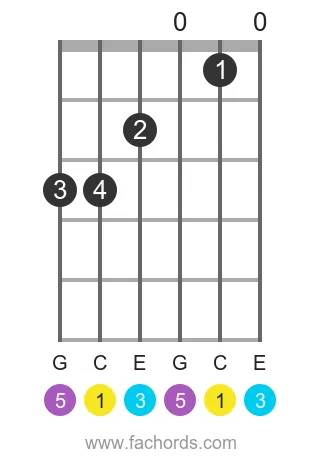
- C/G: third fret of the low E string
Play the four notes alone, slowly, and sing them. Then add the chords, and keep the bass a little louder than the rest. The steps aren't all the same size: C to B is a half step, and the next two are whole steps.
Here's something I like about this loop. C/G and C are the same chord, with all three notes shared, so going back to the top is only a bass move, from G up to C.
Why the Key Changes the Line
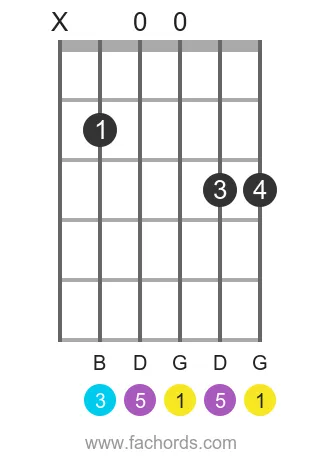
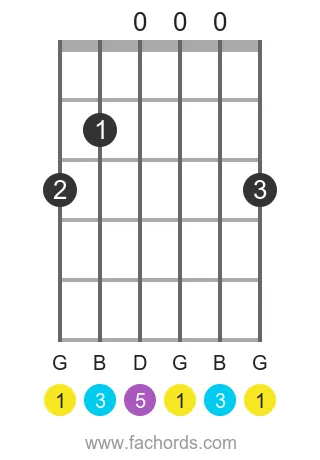
Try the same thing in G, and you'll hit a limit. G D/F# Em starts on the low E string, at frets 3, 2 and 0. Then G/D needs a D, and in standard tuning the lowest D is the open D string, which is higher than the open low E. So in first position the walk jumps up instead of stepping down, unless you move the line to the A string, at frets 10, 9, 7 and 5.
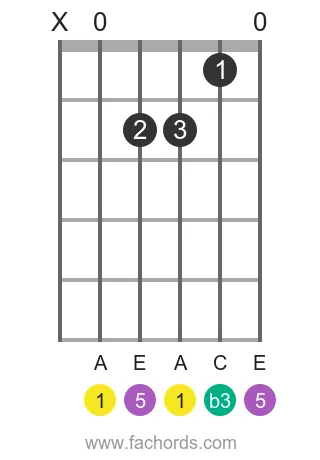
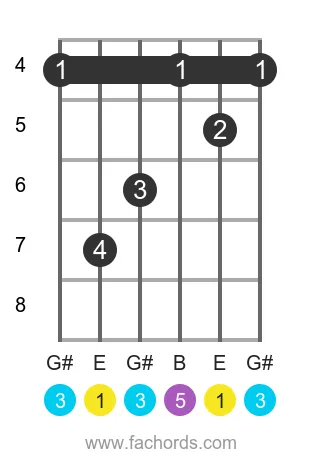
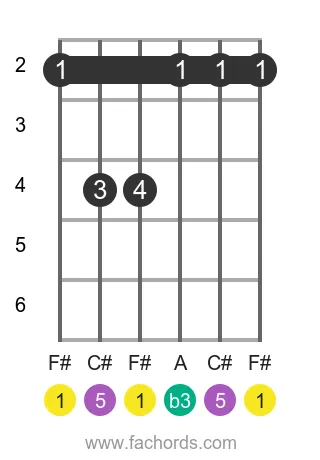
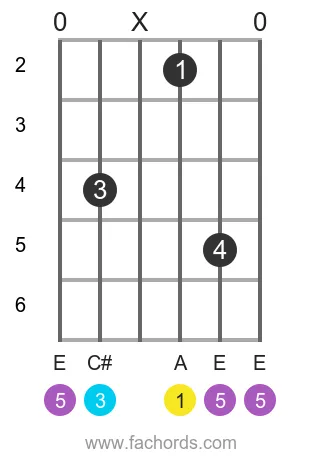
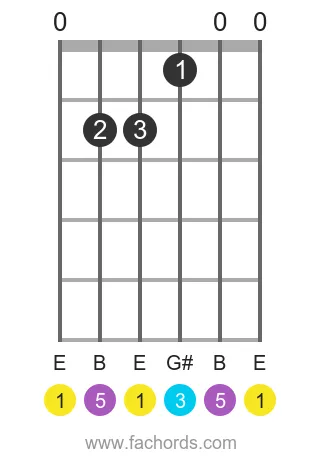
In the key of A there's no such problem. A is the open A string, then E/G#, F#m and A/E fall on the low E string at frets 4, 2 and 0. The key of Tears in Heaven keeps the whole line going down.
Four Verses, Three Keys
Many songs use this in a variety of keys, and these four all do it in a verse. Always on My Mind and Carrie play exactly the same chords in G.
| Song | Artist | Section | Chords | Key |
|---|---|---|---|---|
| Tears in Heaven | Eric Clapton | intro and verse | A E/G# F#m A/E | A major |
| Always on My Mind | Elvis Presley | verse | G D/F# Em G/D | G major |
| Carrie | Europe | verse | G D/F# Em G/D | G major |
| One More Try | George Michael | verse | F C/E Dm F/C | F major |
Take Tears in Heaven first, since it uses the line for the intro as well. One More Try sits in F, as F C/E Dm F/C.
Want a contrast? In the singer-songwriter progression, Am F C G, the bass jumps instead of walking. And there's more on moving one line at a time in this guide to voice leading.
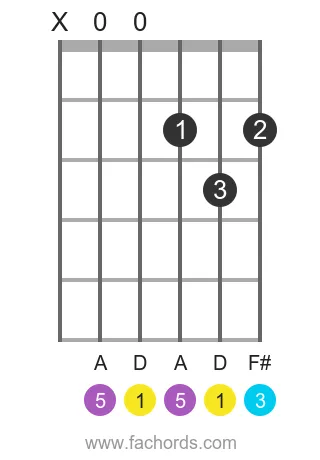
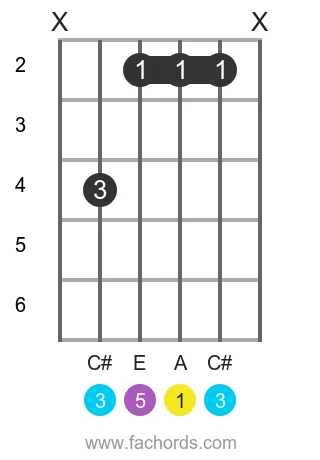
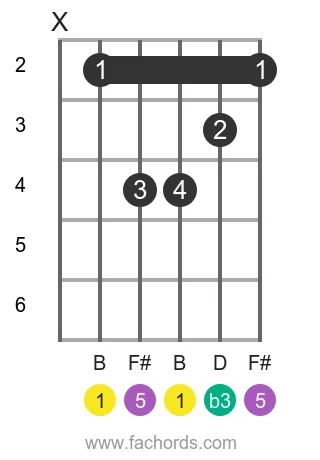
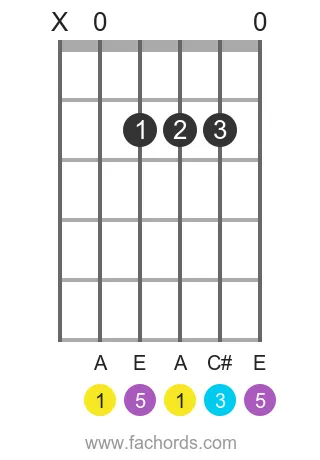
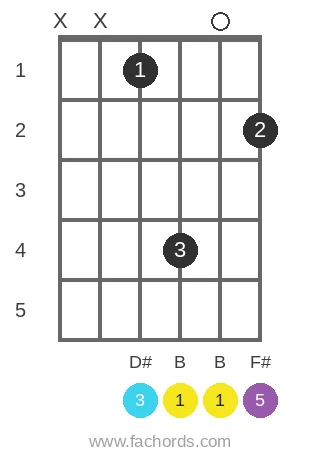
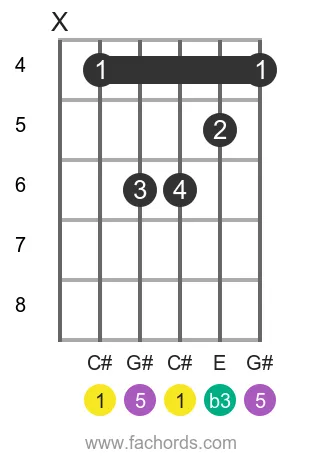
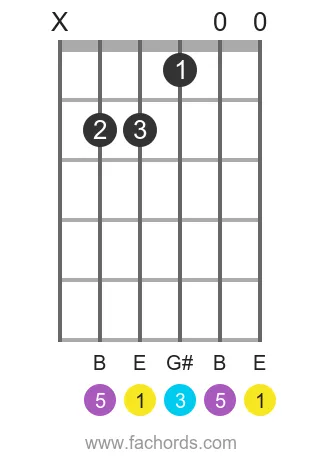
Descending Bass Line Chord Progression: Chords and Audio in C, G, D, A and E
Press play to hear each key. The diagrams show the shapes used in the audio, and every chord links to its full page.
More progressions like this one
- I-iii: C Em
- I-ii-IV: C Dm F
- I-vi-IV-ii: C Am F Dm
- Singer-songwriter progression: Am F C G

Created by
Giancarlo is a musician (teaching guitar since 2000), software engineer, AI consultant and published researcher
FAQ
What does G/B mean in this progression?
It is a G chord with B in the bass. In C G/B Am C/G the slash chords let the bass walk down C, B, A, G.
What are the descending bass line chords in each key?
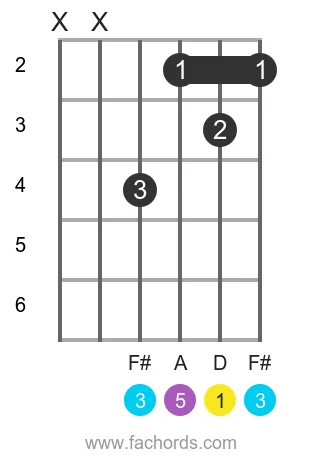
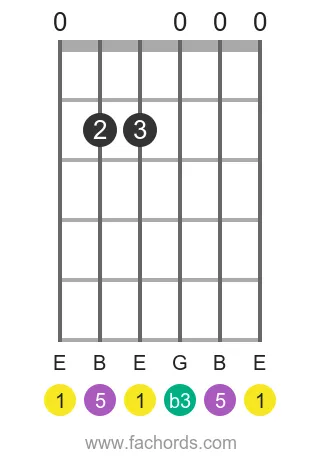
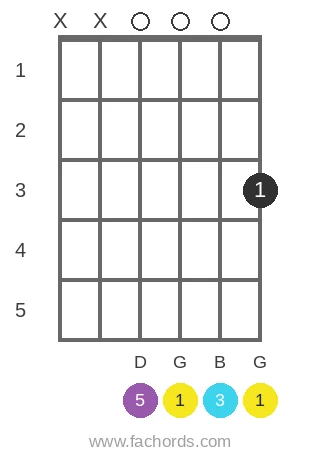
In C major: C G/B Am C/G. In G major: G D/F# Em G/D. In D major: D A/C# Bm D/A. In A major: A E/G# F#m A/E. In E major: E B/D# C#m E/B.
How do you write the descending bass line in numbers?
In Roman numerals it is I-V6-vi-I64, and in the Nashville Number System 1 5/7 6m 1/5. The notation is awkward because each slash chord has its own bass note.
Which songs have a descending bass line like this?
Tears in Heaven by Eric Clapton uses it in the intro and verse. Always on My Mind by Elvis Presley, Carrie by Europe and One More Try by George Michael use it in the verse.
