The bIII-V7 Cadence: A Colourful Jump Into the Dominant
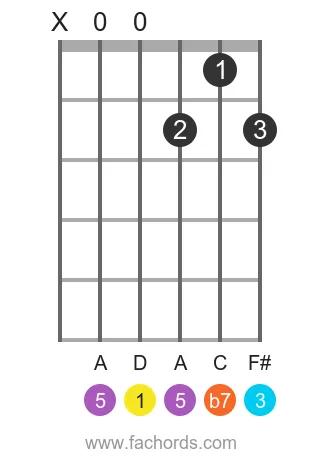
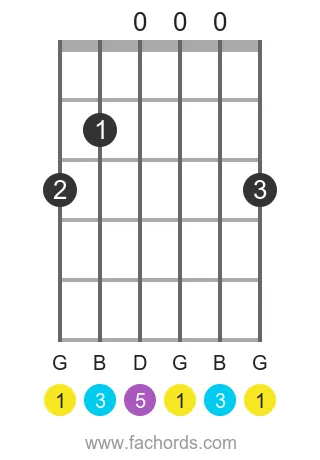
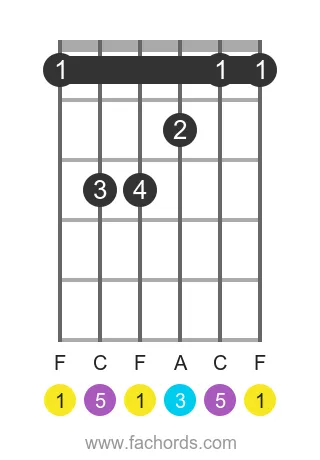
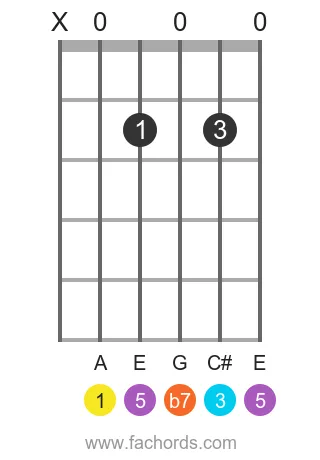
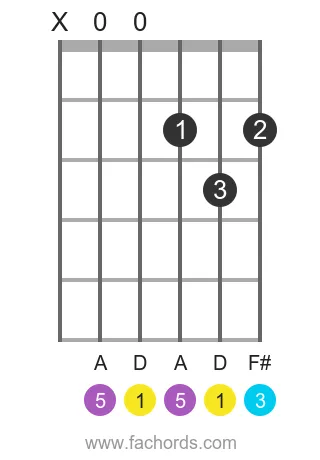
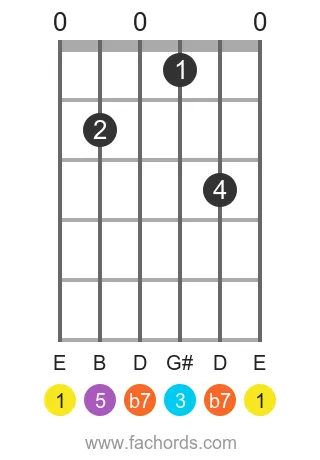
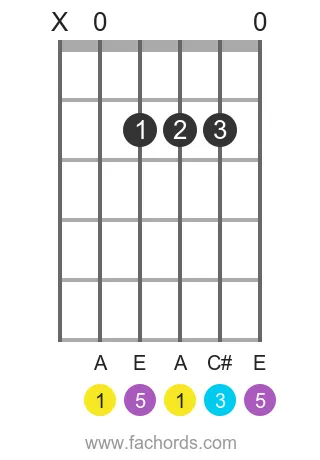
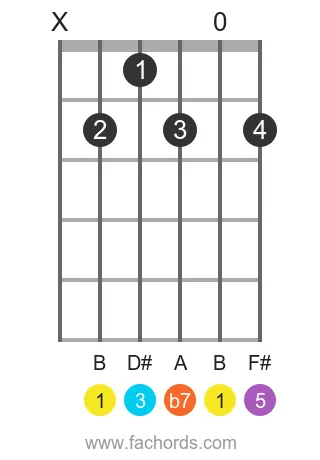
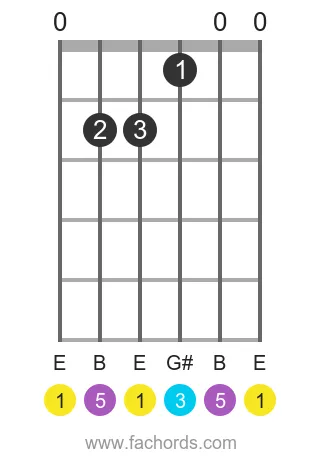
Where does a G chord go in the key of E? Here it jumps to B7 and then home: bIII-V7-I, or G B7 E. The Nashville form is b3 5(7) 1, and in the key of C the chords are Eb G7 C, with Eb the one from outside the key. To hear it, go to the audio in five keys.
A Borrowed Chord, Then the Real Pull
The bIII is borrowed from the parallel minor. It moves to the dominant seventh, and the dominant resolves to I. So you get an abrupt, colourful jump, then a strong dominant pull.
Why abrupt? The bIII and V share just one note. Eb and G7 only have G in common, and in the key of E, G and B7 only have B.
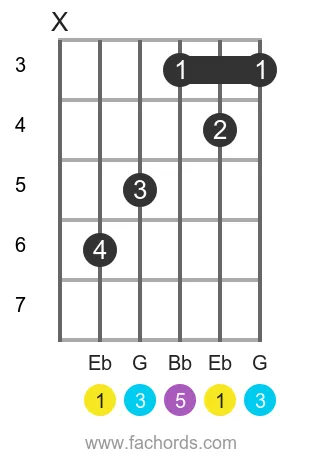
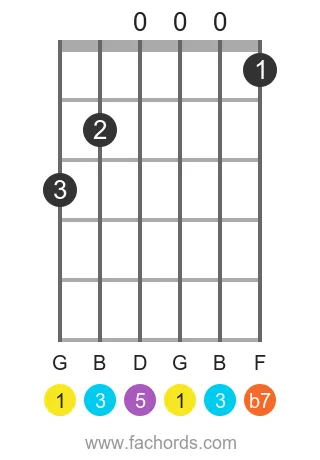
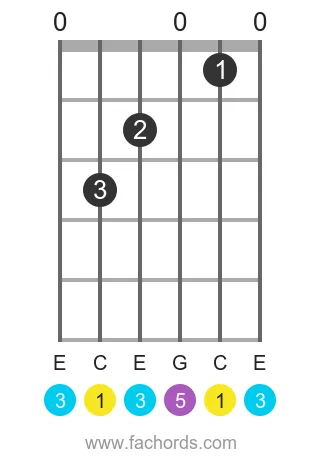
That same note is in all three chords. In the key of E, B is the third of G, the root of B7 and the fifth of E. Let the open second string ring through all three shapes.
Next to Its Cousin, bVII-V7
This is a close cousin of the bVII-V7 cadence, and Wikipedia describes the two together. Both start from a borrowed chord and go to V7. The difference is how far apart those first two chords are: bVII shares two notes with V7, and bIII shares only one.
Both hide the same half-step climb to the tonic. In the key of E the line runs D, D#, E: the fifth of G, the third of B7, the root of E. Play D B7 E, then G B7 E, and compare the first change in each.
Something and Where Did You Sleep Last Night
Neither song plays a seventh on the V, so try the plain V as well.
| Song | Artist | Section | Chords | Key |
|---|---|---|---|---|
| Something | The Beatles | intro and link into the verse | Eb G/D C | C major |
| Where Did You Sleep Last Night | Nirvana | verse | G B E in half-step-down tuning, sounding Gb Bb Eb | Eb major |
Something by The Beatles plays Eb G/D C in the intro and in the link into the verse. Look at that slash chord: with D in the bass, the low notes walk straight down, Eb, D, C.
Where Did You Sleep Last Night by Nirvana plays the shapes G B E in the verse, in half-step-down tuning, so it sounds Gb Bb Eb. Tune down a half step and the shapes of the key of E work, with B in place of B7.
bIII-V7 Cadence: Chords and Audio in C, G, D, A and E
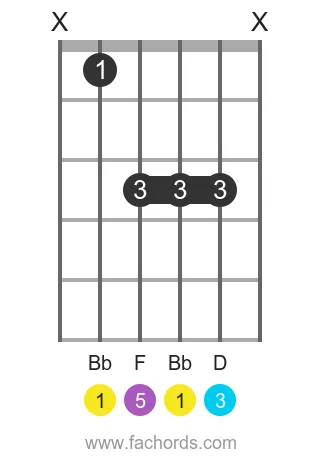
Press play to hear each key. The diagrams show the shapes used in the audio, and every chord links to its full page.
More progressions like this one
- Mixolydian I-v-IV: C Gm F
- I-bVII-IV: C Bb F
- I-II-IV-I: C D F C
- I-V-bVII-IV: C G Bb F

Created by
Giancarlo is a musician (teaching guitar since 2000), software engineer, AI consultant and published researcher
FAQ
Which chords spell bIII-V7-I in each key?
In C major: Eb G7 C. In G major: Bb D7 G. In D major: F A7 D. In A major: C E7 A. In E major: G B7 E.
Why does the bIII to V7 jump sound so abrupt?
The two chords share just one note. Eb and G7 only have G in common, so the change is colourful and sudden before the dominant pull takes over and resolves to I.
How is bIII-V7 different from bVII-V7?
Both start with a borrowed chord and move to the dominant seventh, then to I. The bVII shares two notes with V7, while the bIII shares only one, so the jump can sound more abrupt.
Where does Something use the bIII-V7 cadence?
The Beatles play Eb G/D C in the intro and in the link into the verse, in the key of C. The G/D puts D in the bass, so the low notes walk down.
