I-vi-IV-ii: The 50s Loop With a Minor ii Where the V Was
Start a 50s progression, then swap the last chord: G Em C Am in the key of G. That's I-vi-IV-ii, the V replaced by a ii.
In the Nashville Number System it's 1 6m 4 2m, and in C it reads C Am F Dm. The audio and chords in five keys are ready when you are.
Six Notes in a Row, Three at a Time
Look at the roots: G, E, C, A. Each chord sits a third below the last one, and that makes the first three moves very smooth, because two notes carry over every time.
Write the notes A C E G B D in a line. G is the last three, G B D. Em slides one note to the left, E G B. C is C E G, and Am is A C E. The whole progression is a three-note window moving down one chain of thirds.
- G to Em: G and B stay.
- Em to C: E and G stay.
- C to Am: C and E stay.
- Am back to G: nothing stays, and the bass drops a whole step.
So the last move is the only one with no common note. Listen for it. The Am is a pre-dominant, and from there it can go back to the start or into a V, so try both: loop it, then finish with a D and a G.
Where to Put the Minors
Placing the minor chords is a matter of balance. Here the 6m and the 2m sit between the major chords, so you get major, minor, major, minor. Play it slowly and let each chord ring so that you can hear that alternation.
American Honey and the Seventh Trick
American Honey is in Db, and the shapes C Am7 Fmaj7 Dm7 with a capo on fret 1 get you there. Ophelia has the same idea in B: B G#m7 Emaj7 C#m7. Sevenths tighten the chain even more. Am7 holds every note of C, Fmaj7 every note of Am, and Dm7 every note of F.
| Song | Artist | Section | Chords | Key |
|---|---|---|---|---|
| American Honey | Lady Antebellum | verse | C Am7 Fmaj7 Dm7 | Db major |
| Exit Wounds | The Script | chorus | C Am F Dm | C major |
| Jigsaw | Conan Gray | chorus | A F#m D Bm | A major |
| Ophelia | PinkPantheress | chorus | B G#m7 Emaj7 C#m7 | B major |
| The Predatory Wasp of the Palisades Is Out to Get Us! | Sufjan Stevens | verse | E C#m A F#m | E major |
Exit Wounds and Jigsaw keep plain triads in a chorus, and The Predatory Wasp of the Palisades Is Out to Get Us! plays E C#m A F#m in a verse. Play the triads first, then add the sevenths, and compare.
I vi IV ii Chord Progression: Chords and Audio in C, G, D, A and E
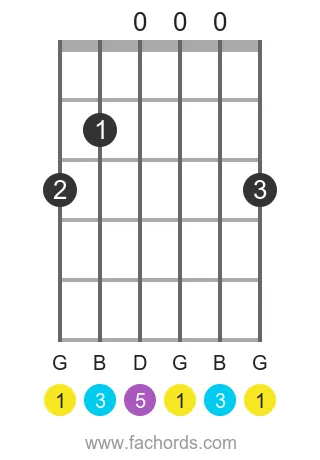
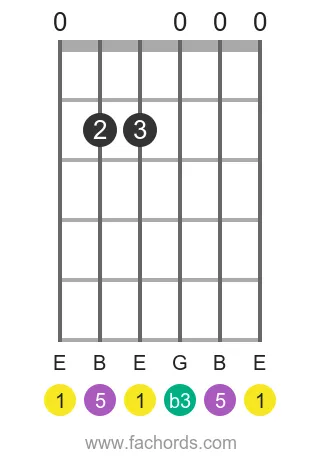
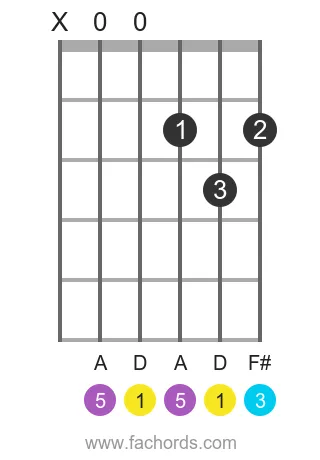
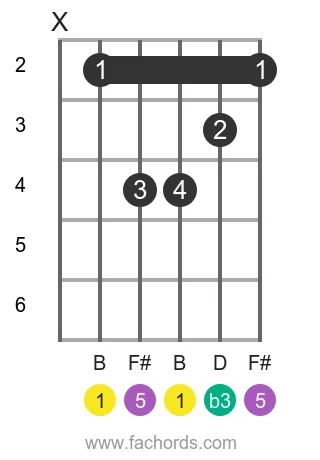
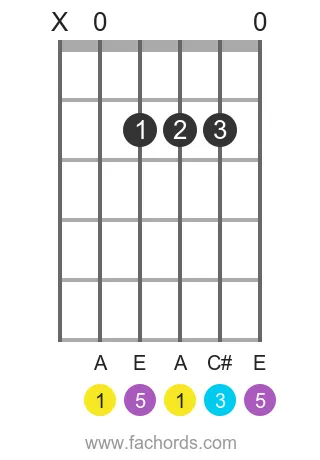
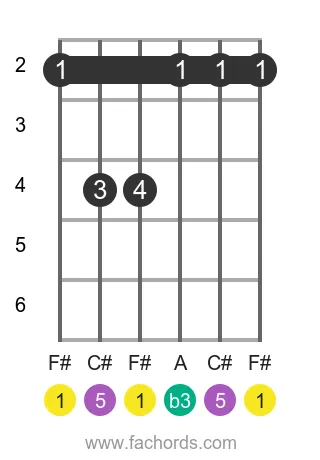
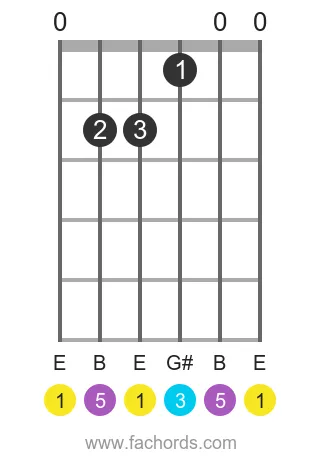
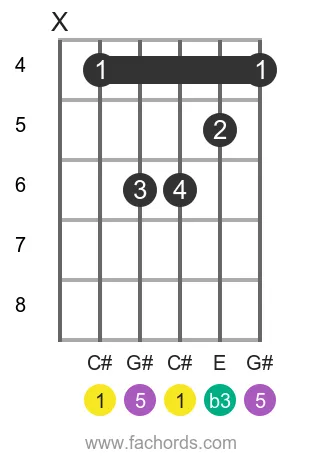
Press play to hear each key. The diagrams show the shapes used in the audio, and every chord links to its full page.
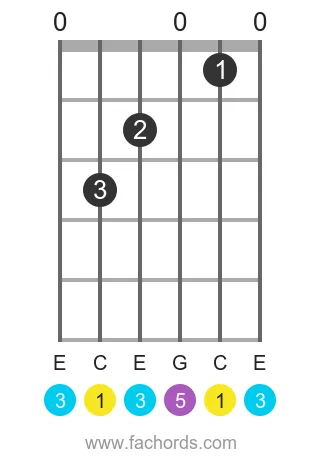
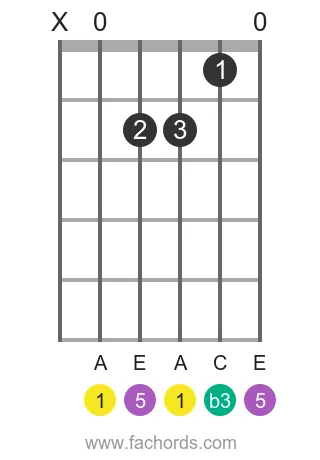
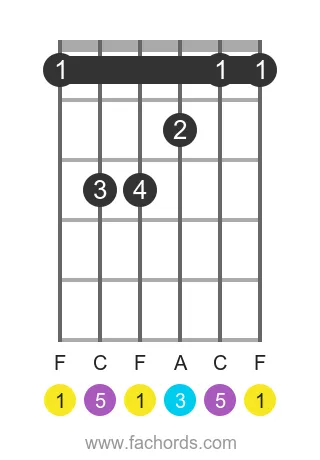
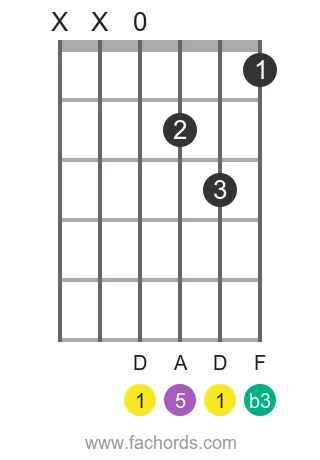
More progressions like this one
- Singer-songwriter progression: Am F C G
- Hopscotch progression: F G Am C
- Rotated doo-wop: F G C Am
- I-V-ii: C G Dm

Created by
Giancarlo is a musician (teaching guitar since 2000), software engineer, AI consultant and published researcher
FAQ
What chords does I vi IV ii use in each key?
In C major: C Am F Dm. In G major: G Em C Am. In D major: D Bm G Em. In A major: A F#m D Bm. In E major: E C#m A F#m.
How is I vi IV ii different from the 50s progression?
It starts the same way, I-vi-IV, then swaps the V for a ii. In C that means Dm where the G would be, so the last chord is a minor pre-dominant.
Why does I vi IV ii sound so smooth?
Each root falls a third, and each of the first three moves keeps two notes. In C, C to Am keeps C and E, Am to F keeps A and C, and F to Dm keeps F and A.
Which songs play I vi IV ii?
American Honey by Lady Antebellum uses it in a verse with sevenths. Exit Wounds by The Script plays C Am F Dm in a chorus, and Jigsaw by Conan Gray plays A F#m D Bm in a chorus.
