The vi-IV-I-V Chord Progression
How To Create Bittersweet Songs
The vi-IV-I-V is known as the singer-songwriter progression, and it is sometimes called the "sensitive female" progression because of its distinct melancholy feel.
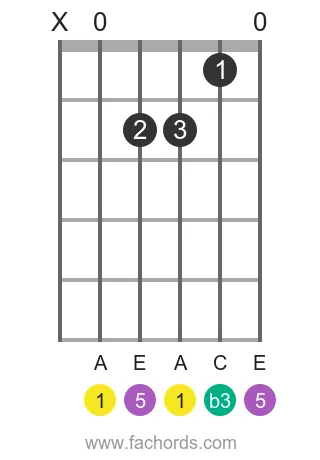
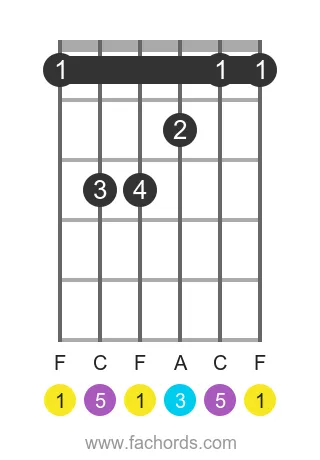
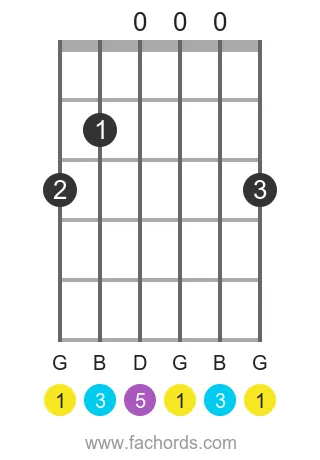
Starting a progression on a minor chord is a great way to lure listeners in. In the key of C major the chords are Am-F-C-G. You can jump to the chords and audio in C, G, D, A and E.
Why It's Unique
The same four chords make up the four chord progression, so this progression isn't unique because it's rare. It's special because of the order of the chords.
Each time around, the V leads back into the vi instead of resolving to I. This is a deceptive cadence, so the music feels unfinished, as if the movie isn't over yet.
Nothing in the loop firmly settles the key either: you can hear it in the major key or in its relative minor. With that lack of resolution built in, the progression feels infinitely loopable, which is one of the main reasons songwriters use it.
Thoughts and Criticisms
"It seemed to be the exclusive province of Lilith Fair types baring their souls for all to see." - Marc Hirsh
As with most popular chord progressions, the vi-IV-I-V hasn't always been well loved. Many have called it overused and cliché.
Marc Hirsh, a music critic for the Boston Globe, was the one who named it "the sensitive female chord progression". He first noticed it in the late 90s around the Lilith Fair, and then he couldn't stop hearing it.
His 2008 article "Striking a Chord" described the progression as "inescapable". He also quoted other music experts, including Jack Perricone, chair of Berklee's songwriting department, who sums it up very poetically:
"It starts on a sense of maybe disquiet," he says. "In a sense, it's three-quarters major and one-quarter, but a very important quarter, being minor…."And I think that has to do with credibility, what people experience in life. . . . I mean, that's not a bad mixture, one-quarter sadness or darkness and three-quarters light." - Jack Perricone
Famous Examples
The progression is often used in bittersweet and emotional pop songs. For even darker moods, see our guide to writing sad songs on guitar.
| Song | Artist | Section | Chords | Key |
|---|---|---|---|---|
| One of Us | Joan Osborne | verse | F#m D A E | A major |
| Numb | Linkin Park | verse | F#m D A E | F# minor |
| Poker Face | Lady Gaga | chorus | G#m E B F# | B major |
| Despacito | Luis Fonsi and Daddy Yankee | main loop | Bm G D A | B minor |
| Apologize | Timbaland ft. OneRepublic | chorus | Cm Ab Eb Bb (plays i-bVI-bIII-bVII) | C minor |
| You Found Me | The Fray | chorus | G#m E B F# (plays i-bVI-bIII-bVII) | G# minor |
| Stronger (What Doesn't Kill You) | Kelly Clarkson | chorus | Am F C G/B (plays i-bVI-bIII-bVII) | A minor |
| Zombie | The Cranberries | verse | Em C G D | E minor |
Some songs keep it going for almost the whole tune, and others save it for one section, like the chorus of "Stronger". It can also feel hopeful yet longing, and "Stronger" is a good example of that too.
Drill-down: you will find the chords for many other progressions, in all keys, in my complete ebook 52 Chord Progressions | Learn How To Connect Chords and Create Great Songs.
In Pop Punk
The vi-IV-I-V is also called the "pop-punk chord progression" because it lends itself to catchy, energetic yet angsty sounds:
- "Check Yes Juliet" by We The Kings
- "Holiday" by Green Day
- "Face Down" by The Red Jumpsuit Apparatus
- "My Happy Ending" by Avril Lavigne
The minor start gives it a pessimistic edge, which leads artists to pair it with bleak lyrics like "Do you feel like a man when you push her around?" or the dejected "So much for my happy ending".
In short, this is a must-know progression for all guitarists interested in early 2000s music.
Variations
No matter the order, the pop chords we use almost always hover around I, vi, IV and V. The order we put them in determines the flavor of the song.
The Doo-Wop Progression (I vi IV V)
Another common order is the "50s" or "doo-wop" progression. In C it is C-Am-F-G. "Earth Angel", released by The Penguins in the 1950s, is a textbook example.
The bass line of this progression usually falls in thirds, and the songs often have a 6/8 feel. It can sound upbeat, nostalgic or even bittersweet depending on how you use it. To me, the I vi IV V is a blank slate.
It is still common in pop, as in Justin Bieber's first major hit "Baby". Sometimes the ii chord replaces the IV, which gives the circle progression, and the effect is similar.
I V vi IV
In this order you have The Axis of Awesome's "Four Chords". This variation is used far more often than vi-IV-I-V. It isn't as loopable, but it feels a bit more upbeat.
vi-iv-I-V
Using a minor iv instead of the major IV is a common example of a borrowed chord.
Play the regular vi IV I V first, then follow it with vi iv I V, and you can create a beautiful section that stands out just by swapping a single chord. Radiohead's "Creep" uses the same IV to iv move at the end of its progression.
The Anime Progression
The i-iv-VII-III is often used in anime music. In some ways it feels a lot like vi-IV-I-V, because it also seems to head for the relative major, as a sort of replacement for I-V.
How to Make It More Interesting
Some people may argue that this progression is overused, but there are many other parts of a composition you can work on:
- Play with texture: repeat the progression and add rhythmic tapping on the body of the guitar, or add or remove an instrument on each repeat, so the listener has something new to latch onto.
- Add a iii chord: play the loop once, then try iii-IV-I-V for more harmonic interest.
- Use the much spicier minor iv variation.
- Keep the tempo up.
- Add ornamentation.
vi-IV-I-V: The Key to a Bittersweet Hit?
Many songs with this progression sit around 100-120 BPM, or a bit quicker.
The next time you write a song on the guitar, try Am-F-C-G. You might be surprised by what you come up with.
That's all! To stay updated, subscribe here.
Singer-Songwriter Chord Progression: Chords and Audio in C, G, D, A and E
Press play to hear each key. The diagrams show the shapes used in the audio, and every chord links to its full page.

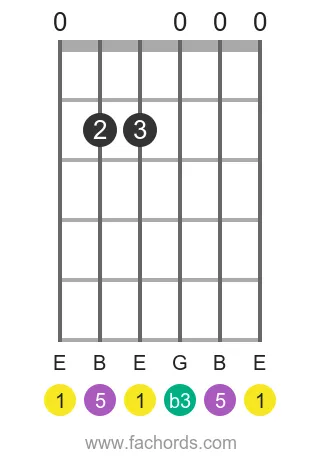
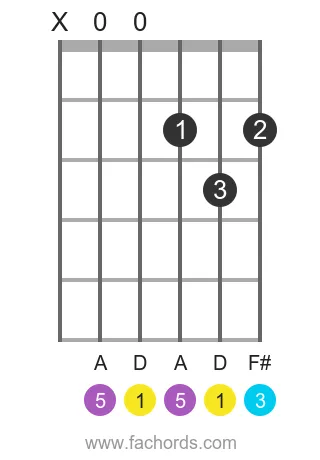
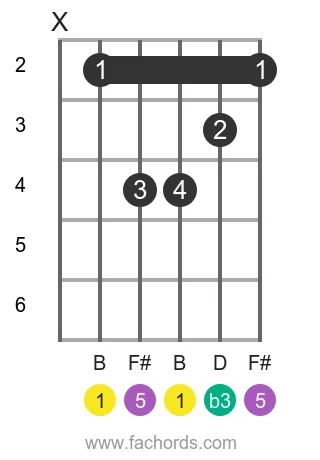
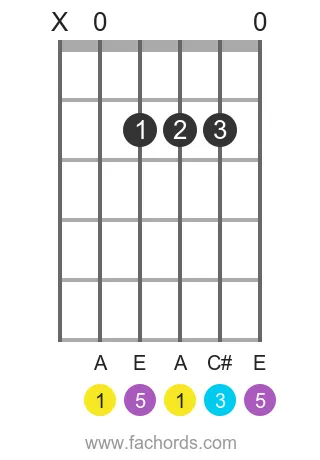
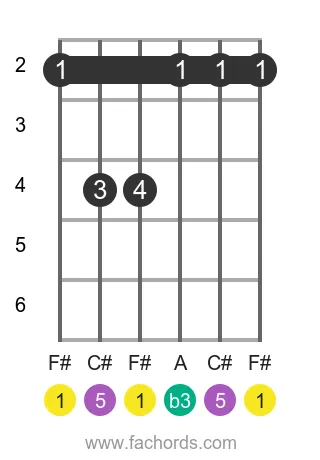
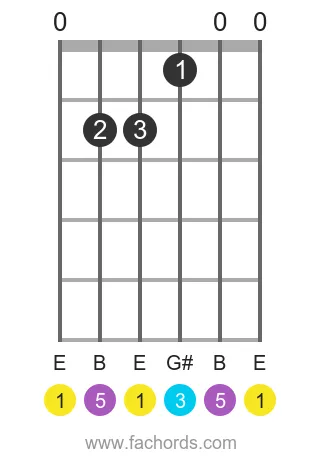
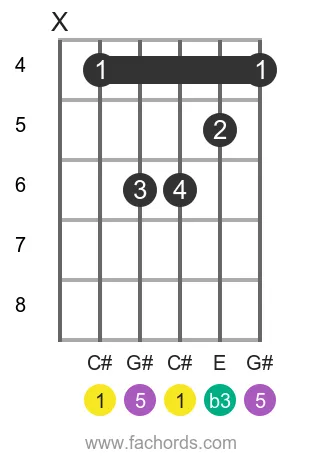
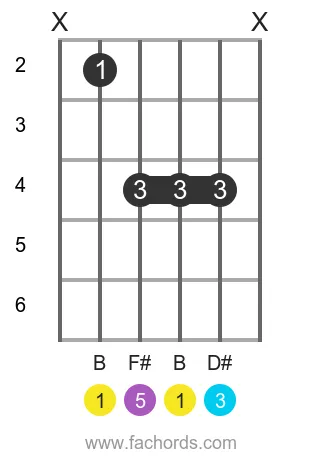
Same loop, different starting chord
- Axis progression: C G Am F
- IV-I-V-vi: F C G Am
Shorter progressions inside it
- vi-IV-I: Am F C
More progressions like this one
- Hopscotch progression: F G Am C
- Rotated doo-wop: F G C Am
- I-V-ii: C G Dm
- Wild Thing loop: C F G F
All guitar chord progressions →

Created by
Giancarlo is a musician (teaching guitar since 2000), software engineer, AI consultant and published researcher
FAQ
What defines the vi-IV-I-V chord progression and its common sound?
The vi-IV-I-V chord progression starts on a minor chord (the 'vi' chord in Roman numerals), which immediately gives it a distinct melancholy or bittersweet feel. For example, in the key of C major, these chords would be Am-F-C-G. This minor beginning helps draw listeners in and sets a specific emotional tone.
Why does the vi-IV-I-V progression feel 'unfinished' or 'infinitely loopable'?
This progression feels unfinished because it ends on a dominant (V) chord which leads back to the submediant (vi) when it repeats, rather than resolving to the tonic (I). This creates a 'deceptive cadence' effect, making the listener feel like the music isn't quite over yet. This built-in lack of full resolve is what makes it highly loopable for songwriters.
What is the origin of the 'sensitive female' nickname for the vi-IV-I-V progression?
The nickname 'sensitive female chord progression' was coined by music critic Marc Hirsh of the Boston Globe. He observed its pervasive use in the late 1990s, particularly at events like Lilith Fair, and noted its association with artists 'baring their souls.' He described it as 'inescapable' due to its commonality and emotional feel.
How does the vi-IV-I-V progression differ from the I-vi-IV-V (Doo-Wop) progression?
While both progressions use the same four chords (I, vi, IV, V), their order changes their feel significantly. The vi-IV-I-V starts on a minor chord (vi) and feels melancholic and unresolved, leading to its loopable quality. In contrast, the I-vi-IV-V (Doo-Wop) starts on the major tonic (I), creating a more resolved, often upbeat, nostalgic, or blank-slate feel, even though it can also be bittersweet depending on its use.
Why is the vi-IV-I-V progression also popular in genres like pop-punk?
The vi-IV-I-V progression is popular in pop-punk because it lends itself well to catchy, energetic, yet angsty sounds. The minor start provides a 'pessimistic edge' that complements bleak or dejected lyrics commonly found in the genre, creating a compelling mix of dark emotion and energetic delivery.
How can guitarists make the vi-IV-I-V progression sound more unique or interesting in their songs?
To make the vi-IV-I-V progression more unique, you can experiment with textural changes (like rhythmic tapping or adding/removing instruments), vary the tempo, use ornamentation, or add different chords. For instance, incorporating a 'iii' chord or swapping the major IV for a minor 'iv' (a borrowed chord) can significantly alter the harmonic interest and prevent it from sounding overused.