The Ragtime Progression: C A7 D7 G7, Each Seventh Pushing On
Four open chords, and three of them are dominant sevenths. That's the ragtime progression, I-VI7-II7-V7: C A7 D7 G7 in the key of C, and 1 6(7) 2(7) 5(7) in the Nashville Number System. It originated in classical music and found its true home in jazz and even some folk.
A7 and D7 come from outside the key of C, with a C# and an F#. Those two notes are the whole story. If you just want to play, go to the chords and audio in five keys.
Each Seventh Is the V of the Next
Don't read this as four separate chords. Read it as a chain of secondary dominants that follows the circle of fifths:
- A7 to D7: A7 is the V of D. Its C# sits a half step under D.
- D7 to G7: D7 is the V of G. Its F# sits a half step under G.
- G7 to C: G7 is the V of C, the one link that was in the key from the start.
So the roots fall by fifths, A, D, G, C, and A7 and D7 each borrow a leading tone from where they're going. That's where the bouncing, chromatic sound of ragtime and early jazz comes from.
Compare it with the circle progression, C Am Dm G. Same roots, but there the chords stay in the key. Now make only Am major, and you've got the I VI ii V. Make Dm major too, add the sevenths, and you're here. Play the three in a row and listen to what each change adds.
The Line Hiding on the High E String
Here's my favourite thing about this progression. Take the seventh and third of each chord and you find a line that slides down by half steps: G, F#, F, E. On the guitar it's sitting right on string 1, and you barely have to think about it:
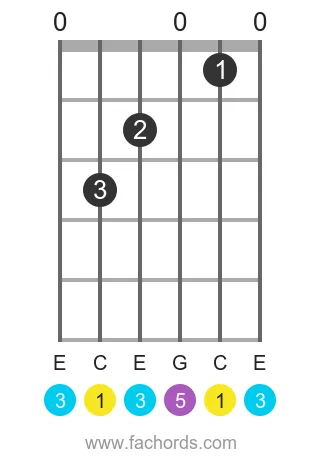
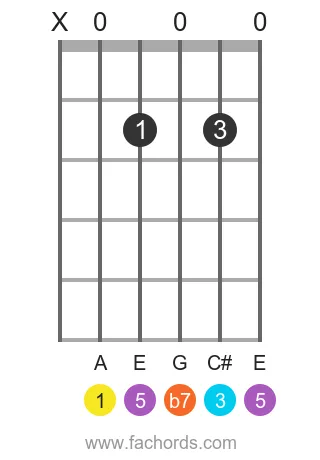
- A7: the note G, fret 3. Play the open A7 shape and add your little finger.
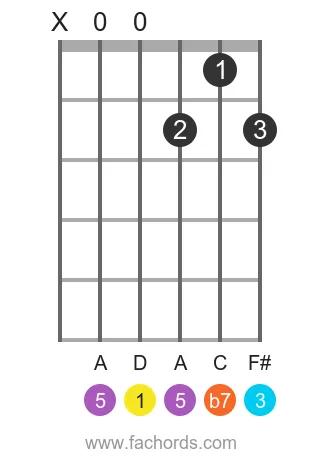
- D7: the note F#, fret 2, already in the open shape.
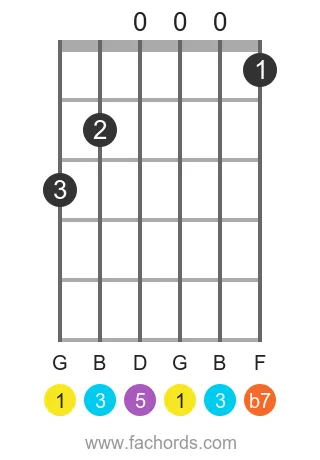
- G7: the note F, fret 1, already in the open shape.
- C: the note E, the open string.
In chord terms that's the seventh of A7, the third of D7, the seventh of G7, the third of C. Strum slowly, let string 1 ring out, and you'll hear it walk down: 3, 2, 1, 0. There's a second line just under it, C#, C, B, then back up to C.
Three Songs to Bounce Along To
It's used much like the other jazz circle progressions, and these three are good places to hear it.
| Song | Artist | Section | Chords | Key |
|---|---|---|---|---|
| Hello! My Baby | Howard & Emerson | chorus | F D7 G7 C7 | F major |
| Creepin Up The Backstairs | The Fratellis | verse | G E7 A D7 | G major |
| Poisoning Pigeons In The Park | Tom Lehrer | intro and verse | C A7 D7 G7 | C major |
Poisoning Pigeons In The Park is in C, so you can use exactly the chords shown here. Hello! My Baby plays the same chain in F: F D7 G7 C7. Creepin Up The Backstairs in G leaves one more chord plain: G E7 A D7, with an A where the chain would have A7.
For the right feel, keep your strumming light and bouncy. Then take it further with this lesson on ragtime guitar, or look at these other jazz chord progressions.
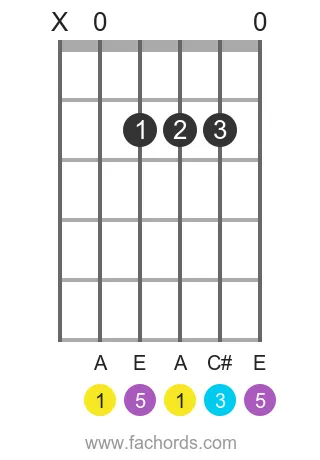
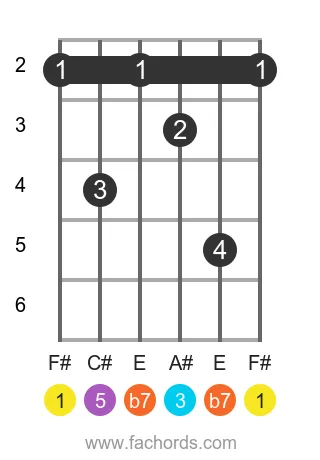
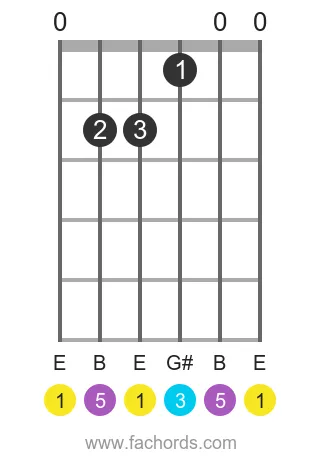
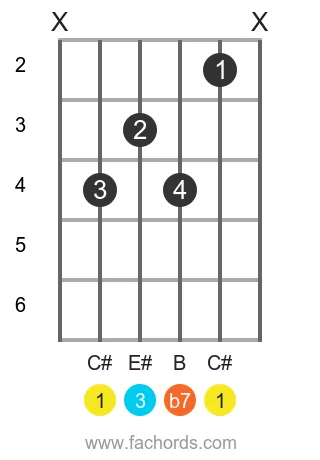
Ragtime Chord Progression: Chords and Audio in C, G, D, A and E
Press play to hear each key. The diagrams show the shapes used in the audio, and every chord links to its full page.
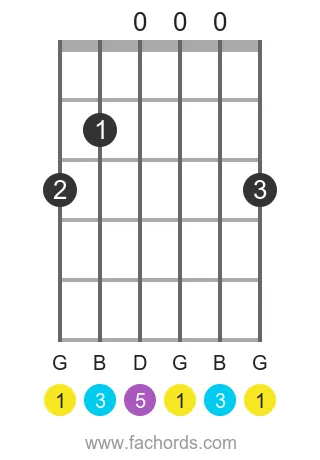
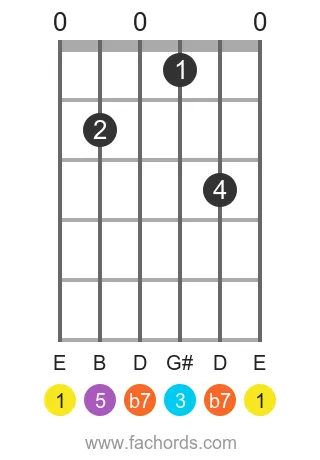
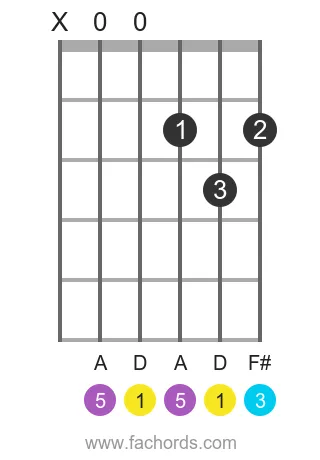
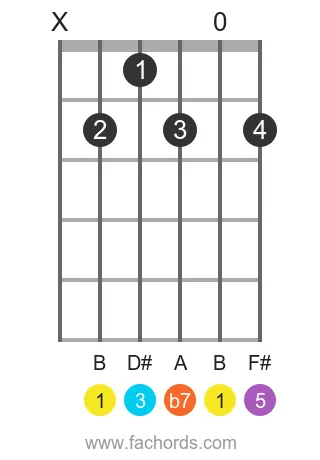
More progressions like this one
- I-IV-II-V: C F D G
- Montgomery-Ward bridge: C F Dm G
- iii-vi-ii-V: Em Am Dm G
- I-VI-ii-V: C A Dm G

Created by
Giancarlo is a musician (teaching guitar since 2000), software engineer, AI consultant and published researcher
FAQ
What are the chords of the ragtime progression in each key?
In C major: C A7 D7 G7. In G major: G E7 A7 D7. In D major: D B7 E7 A7. In A major: A F#7 B7 E7. In E major: E C#7 F#7 B7.
Why does the ragtime progression sound so chromatic?
VI7 and II7 are secondary dominants, so they borrow the leading tones of ii and V. In C that means a C# and an F#, notes from outside the key.
How is the ragtime progression different from I-vi-ii-V?
The roots are the same, but here the chords are dominant sevenths. Am becomes A7 and Dm becomes D7, so each seventh acts as the V of the next chord.
Which songs use the ragtime progression?
Hello! My Baby plays F D7 G7 C7 in the chorus, and Poisoning Pigeons In The Park by Tom Lehrer plays C A7 D7 G7 in the intro and verse.
