I VI ii V: The Turnaround With a C# Leaning Up Into Dm
Take the plain I-vi-ii-V, change one note of the second chord, and you get I-VI-ii-V: C A Dm G in the key of C. The note is C#, the only one from outside the key. All four chords are open shapes, and the diagrams and audio in five keys are ready when you are.
In the Nashville Number System it's 1 6 2m 5. With sevenths it's written I-VI7-ii-V7, and the sevenths are what you'll often see in charts: C A7 Dm7 G7.
Follow String 2
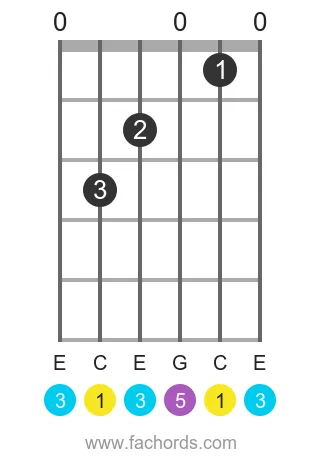
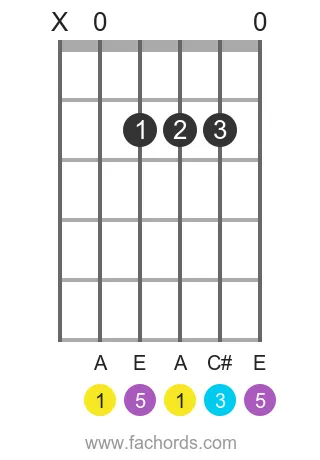
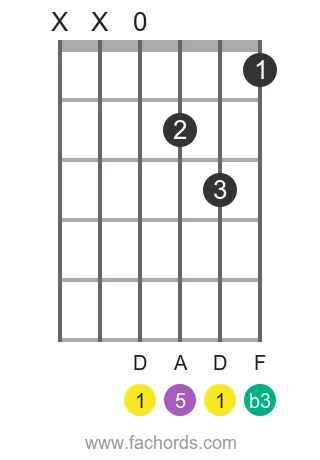
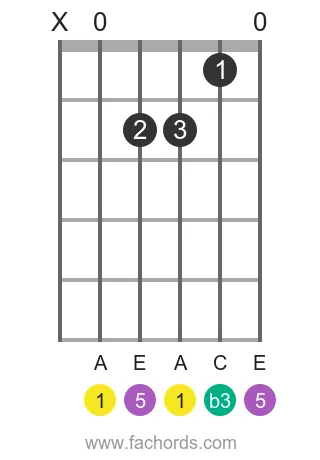
You can see the whole idea on one string. Fret an open Am: string 2 is at fret 1, the note C. Change to an open A chord: string 2 is at fret 2, C#. Change to an open Dm: string 2 is at fret 3, D. So the line goes up fret by fret, and A is the step in the middle.
That C# is the leading tone of D, so the VI works as a secondary dominant of ii: A7 is the V of Dm. Play C Am Dm G a few times, then C A Dm G, and listen to string 2. That's the extra drive of this turnaround compared with the circle progression.
The rest of the chain is the same as there: A, D, G, C, with the roots falling by fifths. Keep Dm minor, though. Make it major too, and you've moved on to the ragtime progression.
Three Turnarounds, Three Triad Loops
Ragtime and swing use this all the time, and the list has both sides of the story. Three tunes use it as a quick turnaround. The other three play it as plain triads.
| Song | Artist | Section | Chords | Key |
|---|---|---|---|---|
| Close Your Eyes and Count to Ten | Grouplove | pre-chorus | Ab F Bbm Eb | Ab major |
| Thrills | Grrrl Gang | chorus | D B Em A | D major |
| Mayan Nights | Man Man | verse | A F# Bm E | A major |
| Take the A Train | Billy Strayhorn | A section, last two bars | Cmaj7 A7 Dm7 G7 (plays I-VI7-ii-V7) | C major |
| Ain't Misbehavin' | Fats Waller | verse turnaround | C A7 Dm7 G7 (plays I-VI7-ii-V7) | C major |
| Oleo | Sonny Rollins | A section, bars 1 and 2 | Bb G7 | Cm7 F7 (plays I-VI7-ii-V7) | Bb major |
- As a turnaround: Take the A Train saves it for the last two bars of the A section, as Cmaj7 A7 Dm7 G7. Ain't Misbehavin' uses it as a verse turnaround. Oleo opens with it in Bb: Bb G7, then Cm7 F7.
- As triads: Thrills plays D B Em A in the chorus, Mayan Nights A F# Bm E in the verse, and Close Your Eyes and Count to Ten Ab F Bbm Eb in the pre-chorus.
Try two chords per bar, like Oleo: it goes by fast, and the leading tone only has a moment to do its work. Then slow down to one chord per bar and listen to how different the same major VI sounds. For more on the jazz side, see these jazz chord progressions.
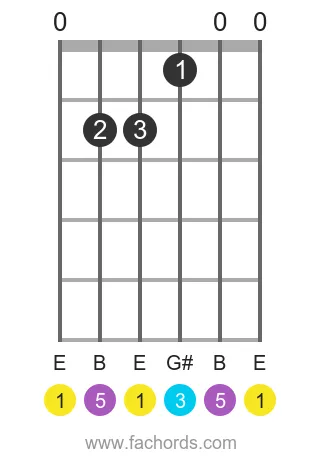
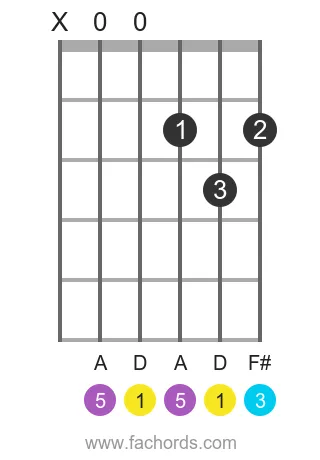
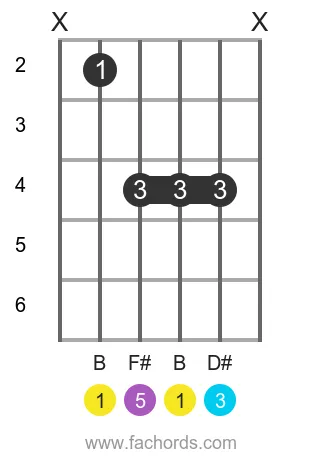
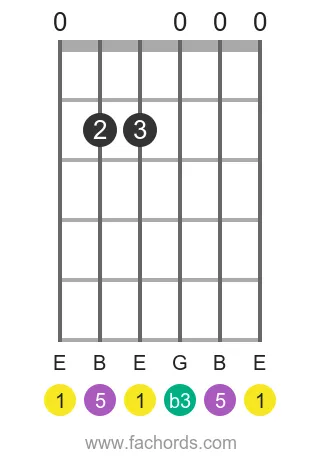
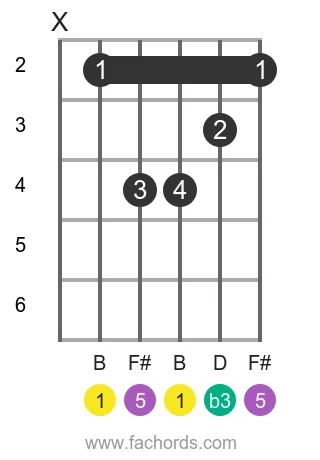
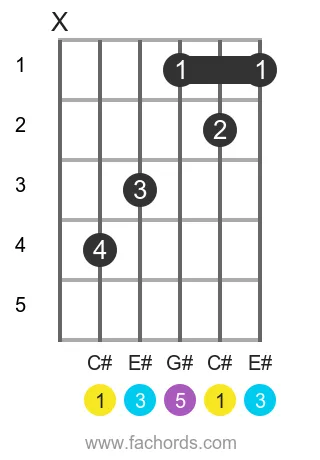
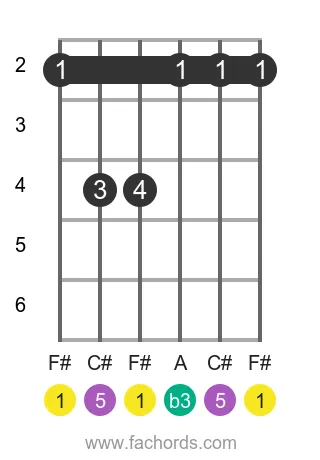
I VI ii V Chord Progression: Chords and Audio in C, G, D, A and E
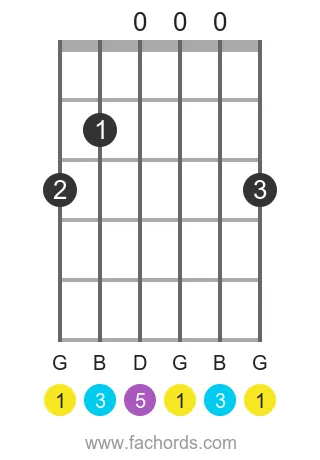
Press play to hear each key. The diagrams show the shapes used in the audio, and every chord links to its full page.

More progressions like this one
- ii-V vamp: Dm7 G7
- Minor ii-V-i: Dm7b5 G7 Cm
- Diatonic circle of fifths: C F Bdim Em Am Dm G C
- iii-VI-ii-V turnaround: Em A7 Dm G7

Created by
Giancarlo is a musician (teaching guitar since 2000), software engineer, AI consultant and published researcher
FAQ
What does I VI ii V look like in G, D, A and E?
In C major: C A Dm G. In G major: G E Am D. In D major: D B Em A. In A major: A F# Bm E. In E major: E C# F#m B.
Why is the VI chord major in I VI ii V?
It works as a secondary dominant of ii. In C, the A chord contains C#, the leading tone of D, so it pushes into Dm harder than Am does.
What is the difference between I-VI-ii-V and the ragtime progression?
In I-VI-ii-V only the VI is altered and the ii stays minor. The ragtime progression also turns the ii into a dominant seventh, so every chord after the I pushes on to the next.
Which jazz tunes use I-VI7-ii-V7?
Take the A Train by Billy Strayhorn plays Cmaj7 A7 Dm7 G7 in the last two bars of the A section, and Oleo by Sonny Rollins plays Bb G7 Cm7 F7 in bars 1 and 2 of the A section.
