The 12-Bar Quick Change Blues: One Early IV, Then Straight Back
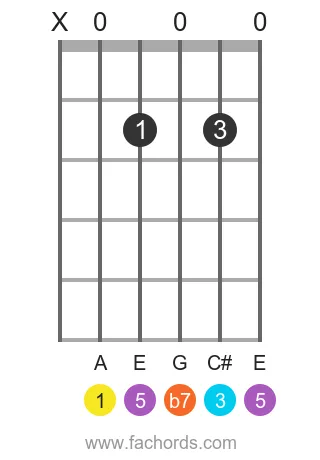
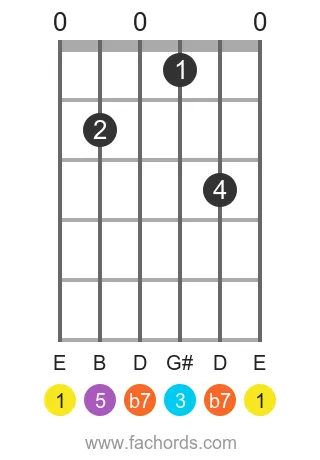
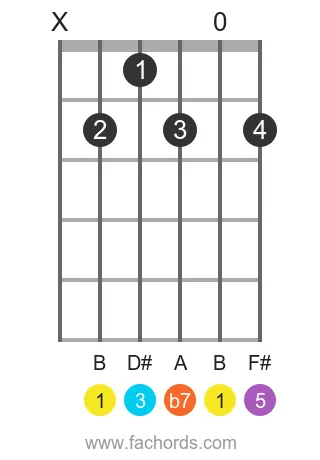
Why wait until bar 5 for the IV chord? The 12-bar blues quick change doesn't: it jumps to the IV in bar 2, drops back to the tonic, and goes on from there. You'll also see it called the quick to four or the quick four. Here it is in E, where all three chords are open shapes:
- Bars 1 to 4: E7 A7 E7 E7 (I7 IV7 I7 I7)
- Bars 5 to 8: A7 A7 E7 E7 (IV7 IV7 I7 I7)
- Bars 9 to 12: B7 A7 E7 B7 (V7 IV7 I7 V7)
In the Nashville Number System the opening line is 1(7) 4(7) 1(7) 1(7). The diagrams and audio are waiting in five keys.
One Bar of A7 Changes the Verse
Put it next to the slow change, which stays on I for the first four bars. Here the IV shows up early, the tonic returns, and the regular IV arrives in bar 5 as usual. So the verse starts moving sooner.
Hear it for yourself. Play E7 E7 E7 E7, then E7 A7 E7 E7, and listen for the moment the line starts to go somewhere.
The catch is on the fretting hand: you get a single bar on A7, so the change comes up fast. Loop E7 to A7 and back at 60 bpm, one bar each, before you try the full form.
Every Chord a Dominant Seventh
In the key of C the form uses C7, F7 and G7. Only G7 belongs to C major. C7 brings in Bb and F7 brings in Eb, and neither note is in the C major scale. So this is a blues habit, not a major-key rule.
Bar 12 Sends You Back
The V7 in the last bar is the turnaround that sends the form back to the top. There is a lot more you can do in that spot with these blues turnarounds.
Three verses show how it plays out. The Chords column writes the repeated bars only once, so read it against the bars at the top.
| Song | Artist | Section | Chords | Key |
|---|---|---|---|---|
| Sweet Home Chicago | Robert Johnson | verse | E A E | A E | B7 A7 E (plays it in A with the E7 turnaround: A7 D7 A7 | D7 A7 | E7 D7 A7 (E7)) | E major |
| Red House | Jimi Hendrix | verse | B7 E9 B7 | E9 B7 | F#9 E9 B7 F#9 | B major |
| Before You Accuse Me | Eric Clapton | verse | E7 A7 E7 | A7 E7 | B7 A7 E7 B7 | E major |
Before You Accuse Me follows the form in E with sevenths all the way, including the B7 at the end. Sweet Home Chicago by Robert Johnson is in E too, with plain E and A in the opening and no V at the end. Red House is in B and dresses up the IV and V as E9 and F#9.
12-Bar Blues Quick Change: Chords and Audio in C, G, D, A and E
Press play to hear each key. The diagrams show the shapes used in the audio, and every chord links to its full page.
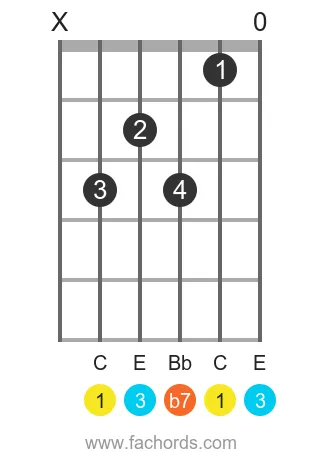
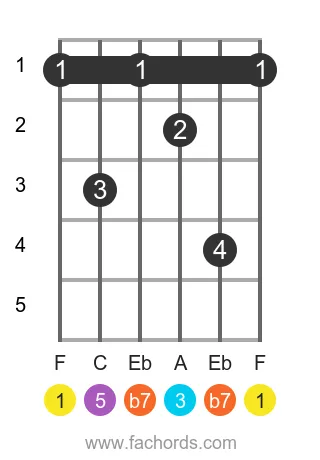
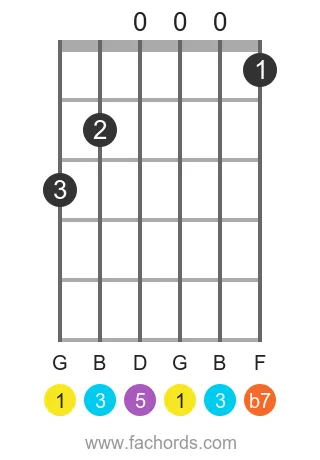
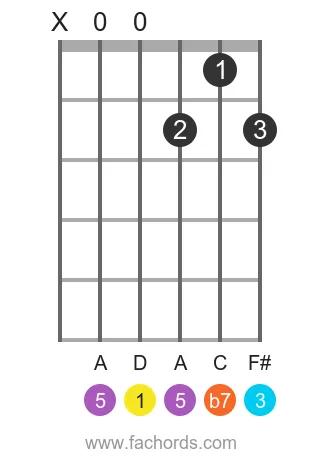
More progressions like this one
- Jazz blues: C7 F7 C7 C7 / F7 F#dim7 C7 A7 / Dm7 G7 C7 G7
- 12-bar minor blues: Cm7 Cm7 Cm7 Cm7 / Fm7 Fm7 Cm7 Cm7 / Ab7 G7 Cm7 G7
- Bird blues: Cmaj7 Bm7b5 E7 / Am7 D7 / Gm7 C7 / F7 Fm7 Bb7 / Em7 A7 / Ebm7 Ab7 / Dm7 G7 / C A7 Dm7 G7
- 8-bar blues: C G F F / C G C G

Created by
Giancarlo is a musician (teaching guitar since 2000), software engineer, AI consultant and published researcher
FAQ
What is the difference between a quick change and a slow change blues?
A slow change stays on I for the first four bars. A quick change moves to the IV in bar 2, returns to the tonic in bar 3, and reaches the regular IV in bar 5.
What does quick to four mean in a 12-bar blues?
It is another name for the quick change, also shortened to quick four. The form gets to the IV chord in bar 2, then goes back to I until bar 5.
Why are all the quick change chords dominant sevenths?
That is a blues habit rather than a major-key rule. In C, the C7 and F7 bring in Bb and Eb, two notes from outside the C major scale. Only G7 belongs to the key.
Which blues songs use the quick change?
Before You Accuse Me by Eric Clapton uses it in E with sevenths, Sweet Home Chicago by Robert Johnson plays it in E too, and Red House by Jimi Hendrix uses it in B, with E9 and F#9.
