50s Chord Progression (I vi IV V)
The 50s progression is the chord progression I-vi-IV-V. In the key of C major it is C Am F G, and in the Nashville Number System it is written 1 6m 4 5.
Jump to the chords and audio in C, G, D, A and E
Why it works
The doo-wop schema. The vi is a soft substitute for I (two common tones), IV moves away, V pulls back to the top of the loop. The bass falls in thirds from I to IV, then steps up to V, and that smooth motion gives the 50s slow-dance sound.
How to use it
These particular chords are very popular and when placed in this order we get the doo wop progression. Many R&B and early soul tunes of the late 50's and early 60's were heavy users of this chord order. You will often see extended chords in doo wop as they relied heavily on vocal harmonies.
Songs that use it
These are the chords as played in each song, in the song's own key.
| Song | Artist | Section | Chords | Key |
|---|---|---|---|---|
| Monster Mash | Bobby "Boris" Pickett | verse | G Em C D | G major |
| Wonderful World | Sam Cooke | verse | G Em C D (shapes) | B major |
| Baby | Justin Bieber | verse and chorus | C Am F G (shapes) | Eb major |
| Earth Angel | The Penguins | verse | C Am F G7 (shapes) | Ab major |
| Telephone Line | ELO | chorus | A F#m D E6 | A major |
Keep learning
50s Chord Progression: Chords and Audio in C, G, D, A and E
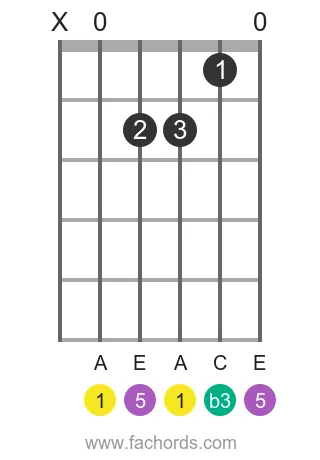
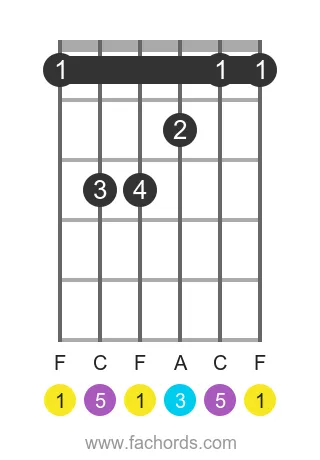
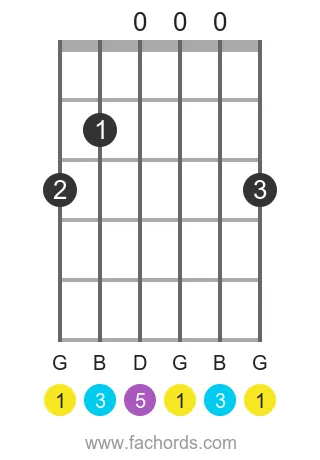
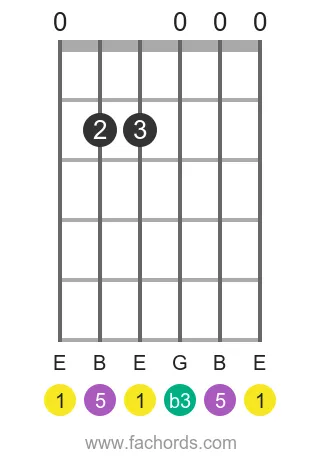
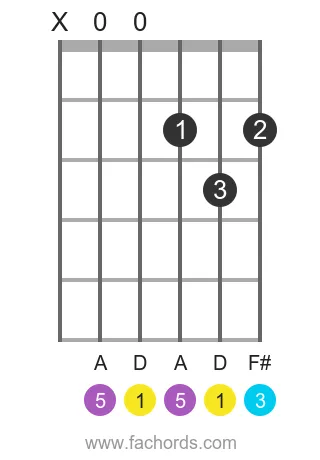
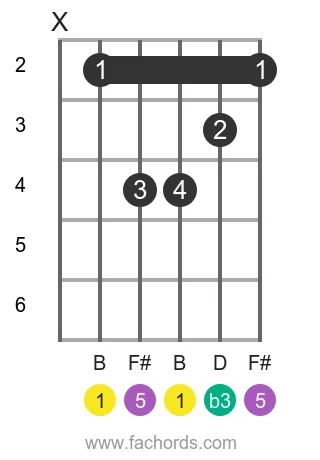
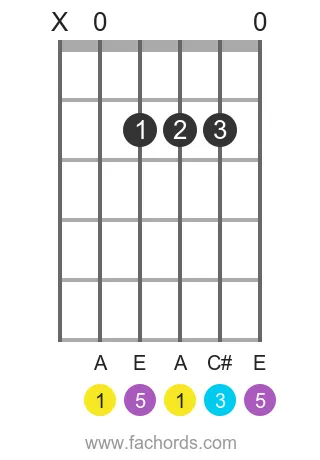
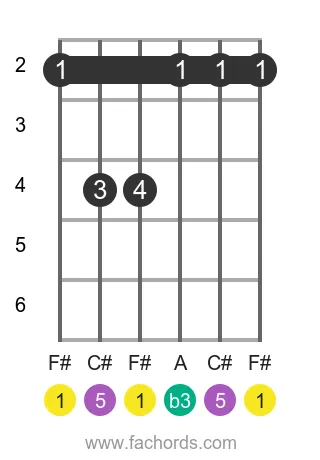
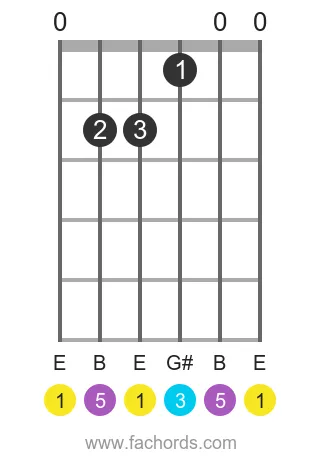
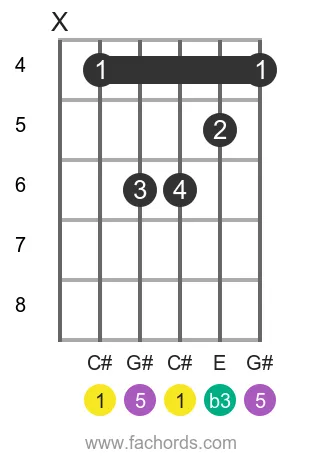
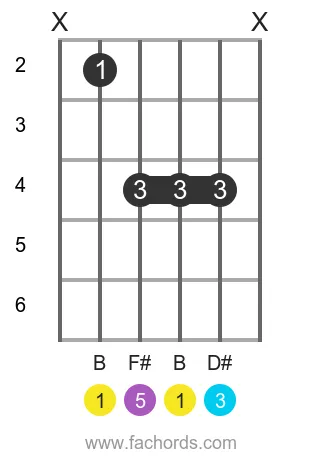
Press play to hear each key. The diagrams show the shapes used in the audio, and every chord links to its full page.

Same loop, different starting chord
- Komuro progression: Am F G C
- Rotated doo-wop: F G C Am
More progressions like this one
- Axis progression: C G Am F
- Komuro progression: Am F G C
- IV-I-V-vi: F C G Am
- I-IV-vi-V: C F Am G
All guitar chord progressions →

Created by
Giancarlo is a musician (teaching guitar since 2000), software engineer, AI consultant and published researcher
FAQ
What are the chords of the 50s progression in each key?
In C major: C Am F G. In G major: G Em C D. In D major: D Bm G A. In A major: A F#m D E. In E major: E C#m A B.
Which songs use the 50s progression?
Songs that use it include Monster Mash by Bobby "Boris" Pickett, Wonderful World by Sam Cooke, Baby by Justin Bieber.