Chromatic Descending ii-Vs: One Pair, Then the Same Pair a Fret Down
Am7 D7, Abm7 Db7, Cmaj7: if you've played Satin Doll, your hands know this already. Those are chromatic descending ii-Vs, vi7-II7-bvi7-bII7-Imaj7, shown in the key of C.
The move is also known as the side-slipping ii-V, and the Nashville version is 6m(7) 2(7) b6m(7) b2(7) 1(maj7). In C, three chords don't belong to the key: D7 for its F#, and Abm7 and Db7, which are full of flats. You can hear them right away in the five keys further down.
Same Grip, One Fret Lower
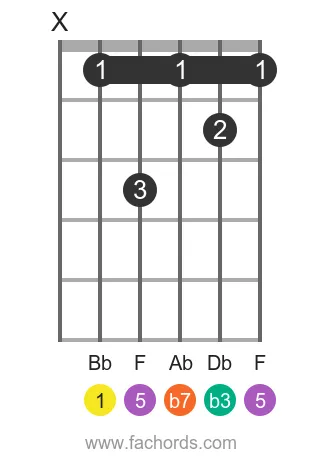
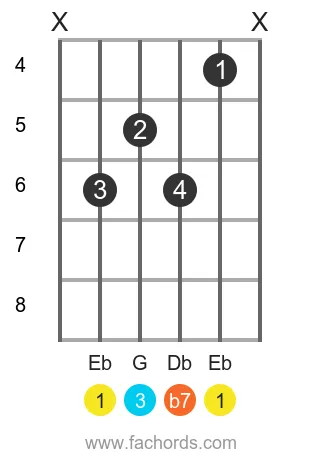
On guitar the two pairs use the same two shapes, one fret apart:
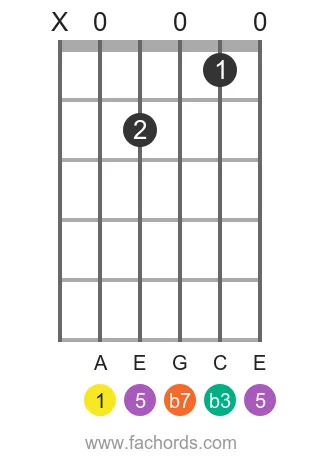
- Am7: root on the low E string, fret 5
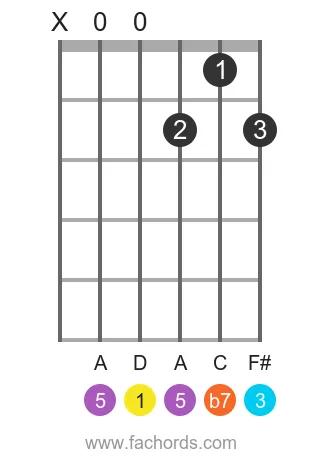
- D7: root on the A string, fret 5
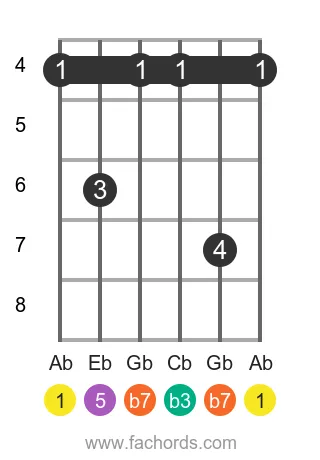
- Abm7: same shape as Am7, fret 4
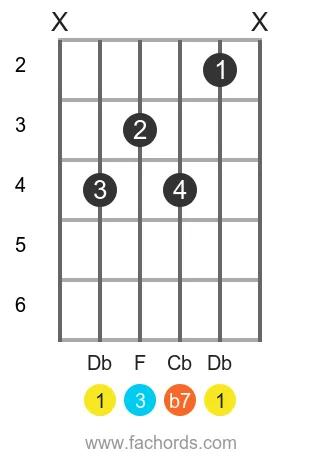
- Db7: same shape as D7, fret 4
- Cmaj7: root on the A string, fret 3
So your left hand goes fret 5, fret 4, fret 3. Play those two pairs slowly, and make the slide as clean as you can, without stopping the sound between the pairs. Slippery and elegant is what you're after.
Why the Slip Still Points Home
The first pair, Am7 D7, is a ii-V that points to G. Here that key never arrives. The second pair is the tritone substitute of the key's own ii-V, so Abm7 Db7 stands in for the ii and V of C. It looks far from C, but it's really the home cadence wearing different clothes.
The last step gives it away. Db7 slides down a half step to Cmaj7, and the Cb of Db7 stays as the B of Cmaj7. If tritone substitution is new to you, start with the shorter ii7-bII7-Imaj7, which ends the same way, Db7 to Cmaj7, but starts from the key's own ii.
Satin Doll Lands, Blues for Alice Keeps Going
Both songs play the same four chords, and they do different things next:
| Song | Artist | Section | Chords | Key |
|---|---|---|---|---|
| Satin Doll | Duke Ellington | A section, bars 5 to 7 | Am7 D7 | Abm7 Db7 | Cmaj7 | C major |
| Blues for Alice | Charlie Parker | bars 7 to 9 | Am7 D7 | Abm7 Db7 | Gm7 | F major |
Satin Doll sits in C and goes to Cmaj7 in bar 7, the ending you just learned. Blues for Alice is in F, and in bar 9 it moves to Gm7, so the slip doesn't land on the tonic there. Try both endings after Abm7 Db7 and compare them.
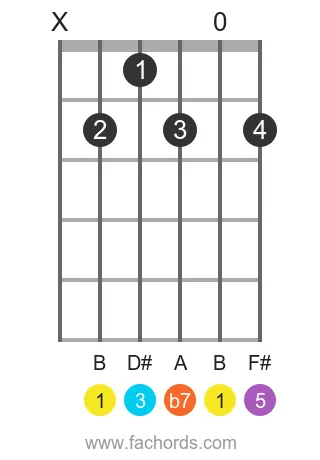
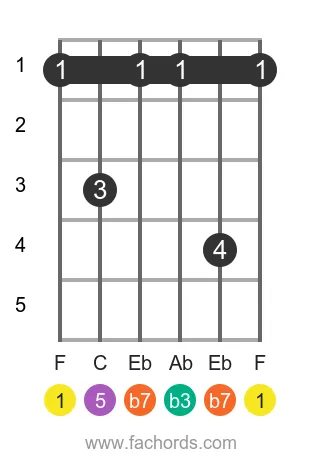
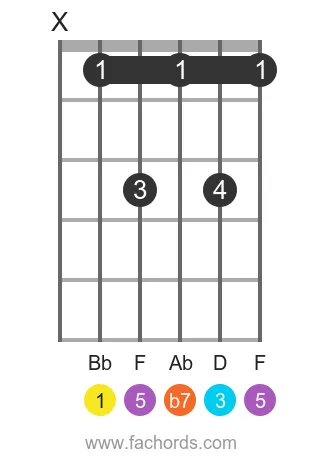
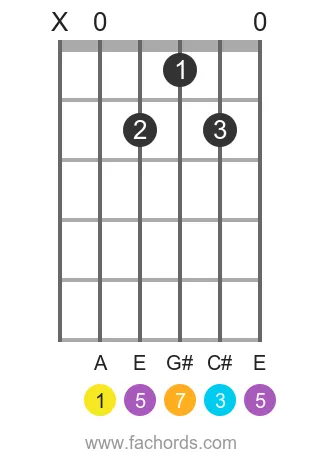
Chromatic Descending ii-Vs: Chords and Audio in C, G, D, A and E
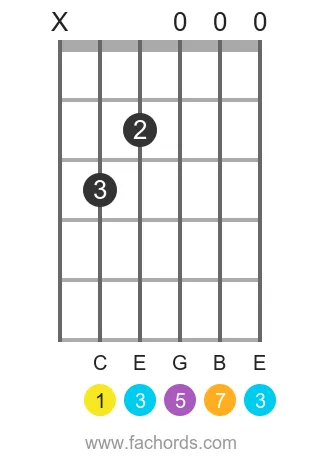
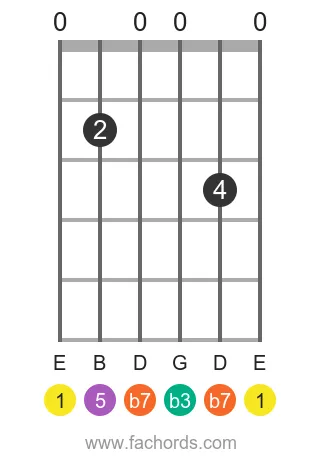
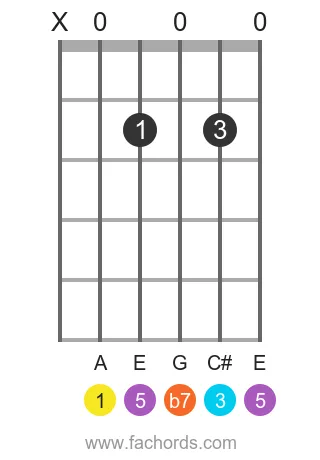
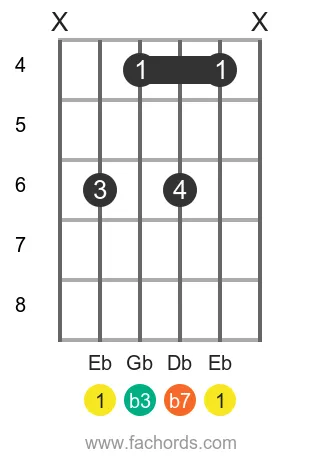
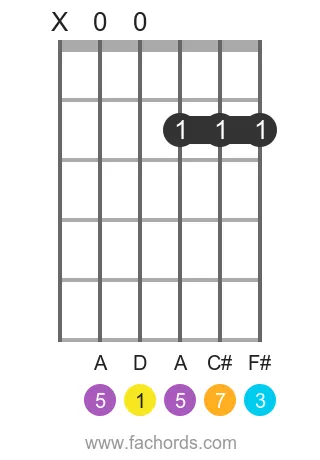
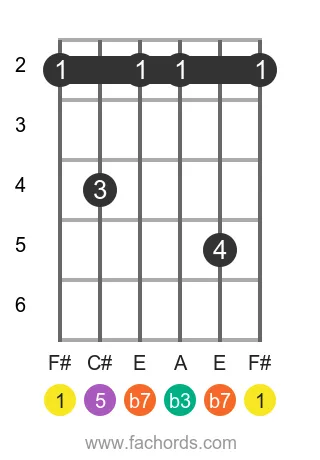
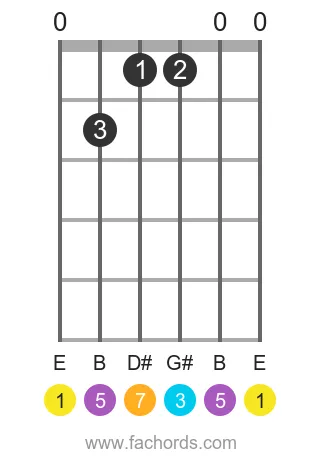
Press play to hear each key. The diagrams show the shapes used in the audio, and every chord links to its full page.
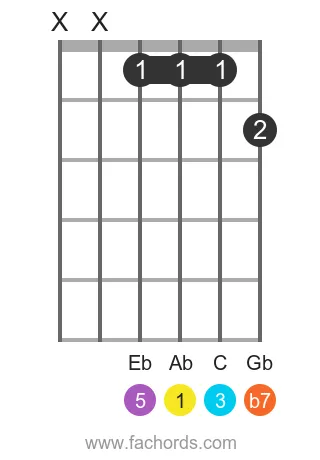
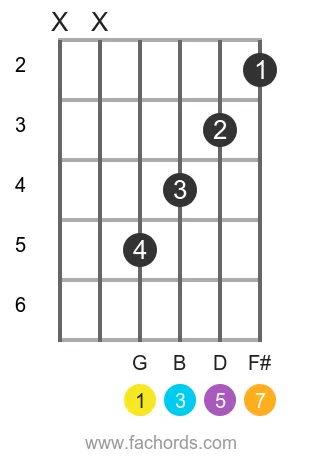
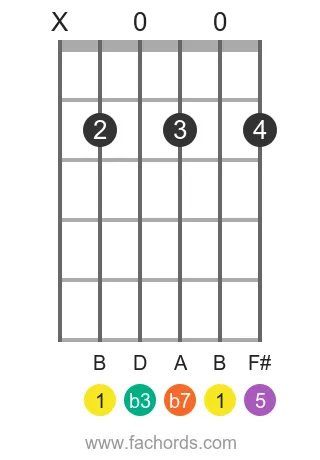
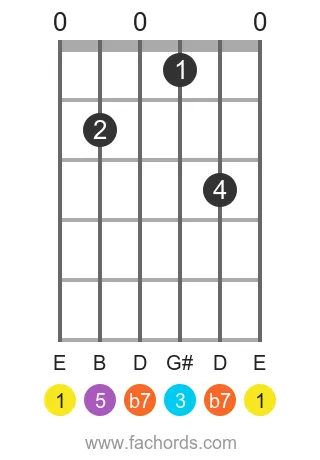
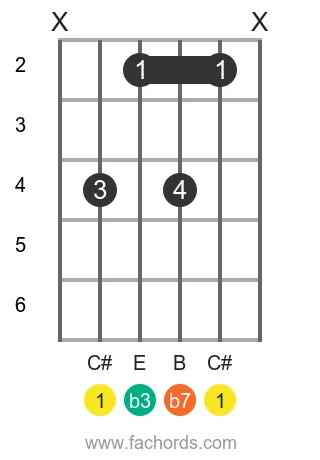
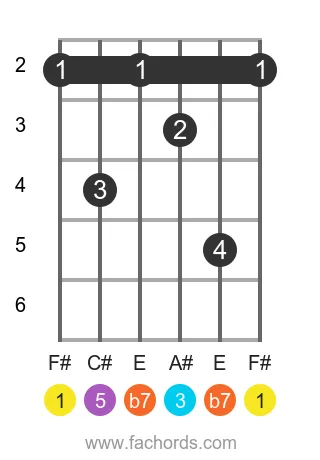
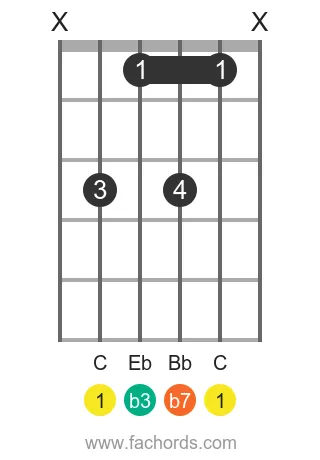
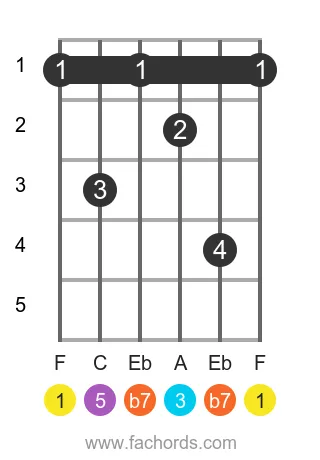
More progressions like this one
- Rhythm changes A section: C Am / Dm G / C Am / Dm G / C C7 / F Fm / C G / C
- Descending ii-V-Is: Cmaj7 Cm7 F7 Bbmaj7 Bbm7 Eb7 Abmaj7
- ii-V-I: Dm G C
- Circle progression: C Am Dm G

Created by
Giancarlo is a musician (teaching guitar since 2000), software engineer, AI consultant and published researcher
FAQ
What are chromatic descending ii-Vs?
A ii-V pair is followed by the same pair a half step lower, and the last dominant slides down a half step to I. In C the chords are Am7 D7 Abm7 Db7 Cmaj7.
Which chords does this side-slip use in each key?
In C major: Am7 D7 Abm7 Db7 Cmaj7. In G major: Em7 A7 Ebm7 Ab7 Gmaj7. In D major: Bm7 E7 Bbm7 Eb7 Dmaj7. In A major: F#m7 B7 Fm7 Bb7 Amaj7. In E major: C#m7 F#7 Cm7 F7 Emaj7.
What is a side-slipping ii-V?
It is a ii-V that moves down a half step to the same pair of chord types, like Am7 D7 to Abm7 Db7. The second pair is the tritone substitute of the key's own ii-V.
Which songs use side-slipping ii-Vs?
Satin Doll by Duke Ellington plays Am7 D7 Abm7 Db7 Cmaj7 in bars 5 to 7 of the A section. Blues for Alice by Charlie Parker plays the same pairs in bars 7 and 8, then moves to Gm7.
