Deceptive Cadence (V vi)
The Deceptive cadence is the chord progression V-vi. In the key of C major it is G Am, and in the Nashville Number System it is written 5 6m.
It is also known as interrupted cadence.
Jump to the chords and audio in C, G, D, A and E
Why it works
The ear expects V to land on I but it lands on vi, which shares two notes with the tonic. The leading tone still rises as expected, and the bass steps up instead of falling a fifth. The phrase feels surprised and unfinished, so it buys time and usually leads to a real cadence soon after.
Songs that use it
These are the chords as played in each song, in the song's own key.
| Song | Artist | Section | Chords | Key |
|---|---|---|---|---|
| Hallelujah | Leonard Cohen | verse, on 'the minor fall' | F G Am F | C major |
| Can't Help Falling in Love | Elvis Presley | verse, on the last line | F G Am F C G C | C major |
| Clarinet Quartet Op. 7, II | Bernhard Henrik Crusell | mm. 66-72 | V vi |
Deceptive Cadence: Chords and Audio in C, G, D, A and E
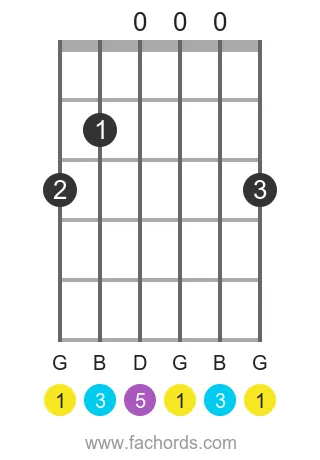
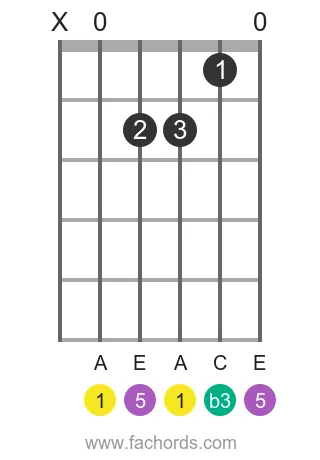
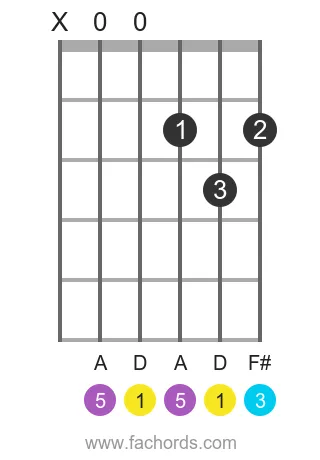
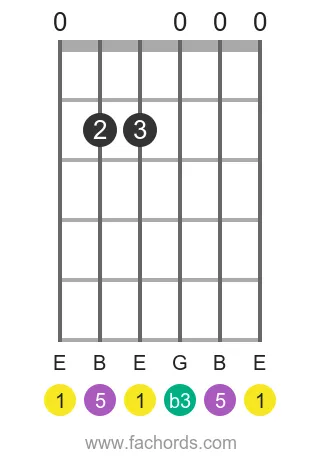
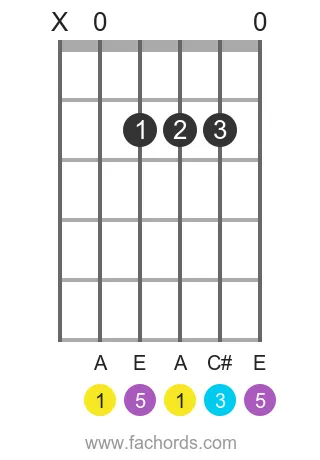
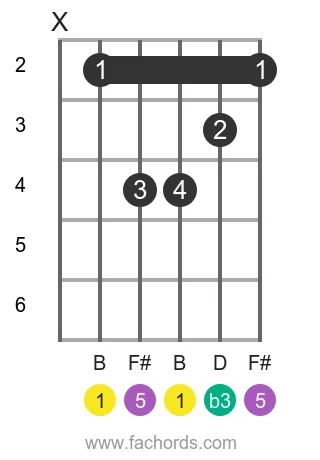
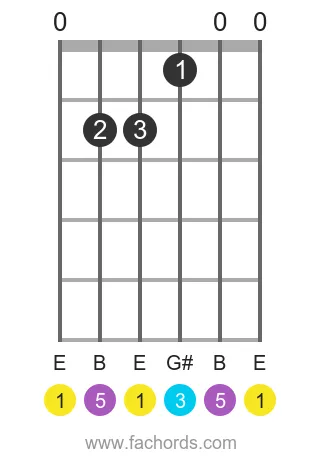
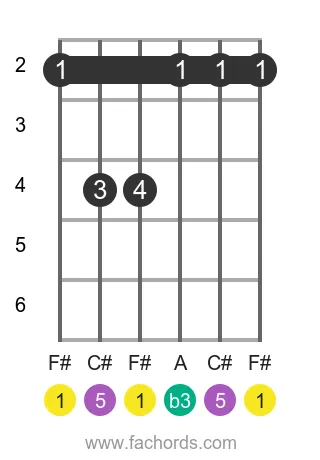
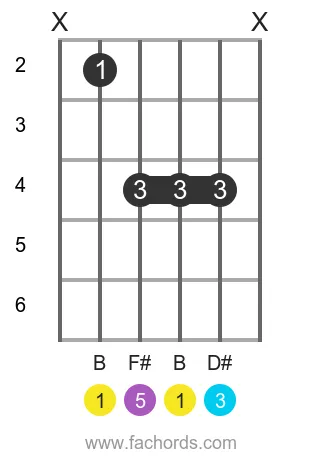
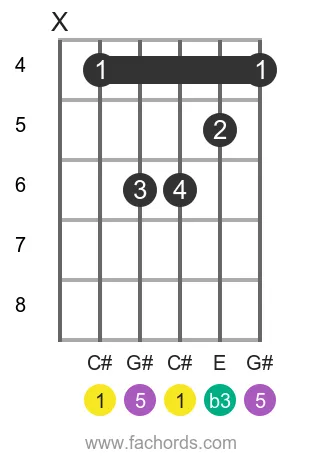
Press play to hear each key. The diagrams show the shapes used in the audio, and every chord links to its full page.
More progressions like this one
- Phrygian half cadence: Fm/Ab G
- Cadential six-four: Dm C/G G C
- Romanesca: Eb Bb Cm G Eb Bb Cm G Cm
- Neapolitan sixth: Cm Db/F G Cm
All guitar chord progressions →

Created by
Giancarlo is a musician (teaching guitar since 2000), software engineer, AI consultant and published researcher
FAQ
What are the chords of the Deceptive cadence in each key?
In C major: G Am. In G major: D Em. In D major: A Bm. In A major: E F#m. In E major: B C#m.
Which songs use the Deceptive cadence?
Songs that use it include Hallelujah by Leonard Cohen, Can't Help Falling in Love by Elvis Presley, Clarinet Quartet Op. 7, II by Bernhard Henrik Crusell.