Cadential Six-Four: Why C/G Before G Is Not a Real Tonic
C/G looks like a tonic chord, but it doesn't behave like one. Put it in Dm C/G G C, the chords ii-I/5-V-I in the key of C, and you have the cadential six-four, also written cadential 6/4. The Nashville form is 2m 1/5 5 1.
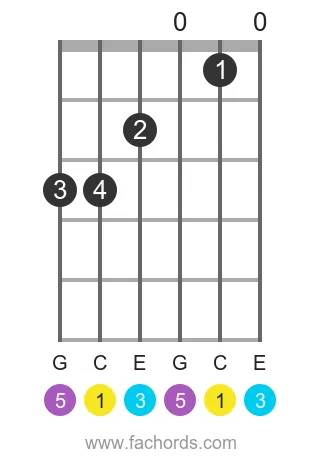
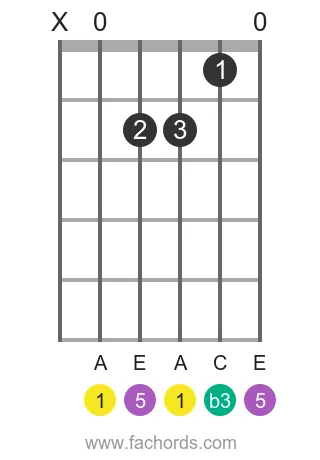
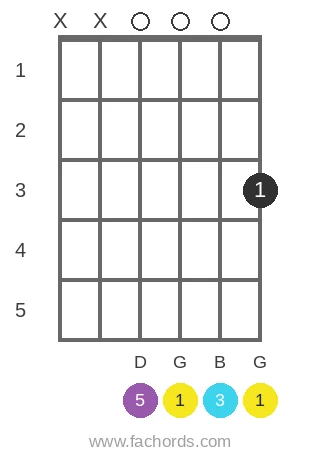
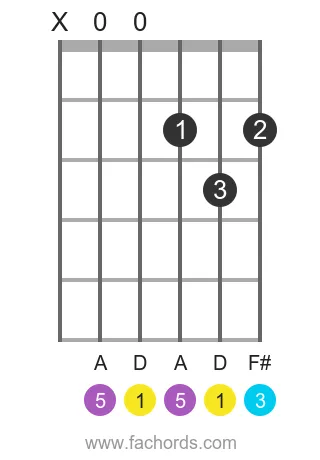
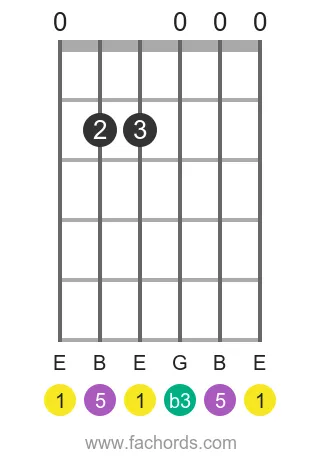
All four chords are open shapes in C, with C/G played as 332010. Hear it first in the five keys further down.
A V Chord Wearing a C Shape
The fifth of C is G, and G is the dominant note. So with G in the bass the chord sits on the dominant, and it works as a V with two suspensions, not a real I. The name counts up from that bass: E is a sixth above G, C is a fourth above G.
Then the sixth and the fourth fall by step into V. E drops to D, C drops to B, and the bass stays.
Watch Your Fingers Fall
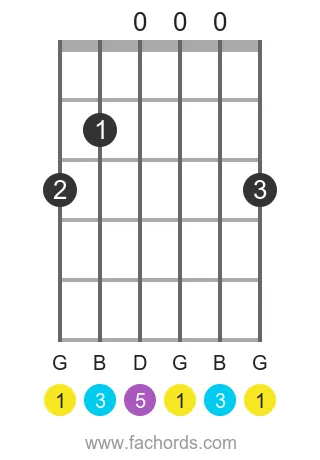
Here's the nicest thing about this move on guitar. Go from C/G (332010) to G with the first string left out (32000x):
- Sixth and third strings: the two Gs stay.
- Fifth string: C on fret 3 drops to B on fret 2.
- Fourth string: E on fret 2 drops to the open D.
- Second string: C on fret 1 drops to the open B.
Play the two shapes back and forth at 60 bpm, and listen to the falling notes against the bass that doesn't move.
What the Extra Chord Adds
Compare it with the plain ii-V-I. Play Dm G C, then Dm C/G G C. The second version takes one more step before the same final V-I, and it adds weight just before the end. Which one sounds like the end of something bigger?
The Cadenza Signal
This is the classic signal of a concerto cadenza. Joseph Boulogne uses the six-four falling into V in measures 45 to 47 of his String Quartet No. 4, I, so listen for a bass that holds while the upper notes fall.
| Song | Artist | Section | Chords | Key |
|---|---|---|---|---|
| String Quartet No. 4, I | Joseph Boulogne | mm. 45-47 | cad. 6/4 V |
Cadential Six-Four: Chords and Audio in C, G, D, A and E
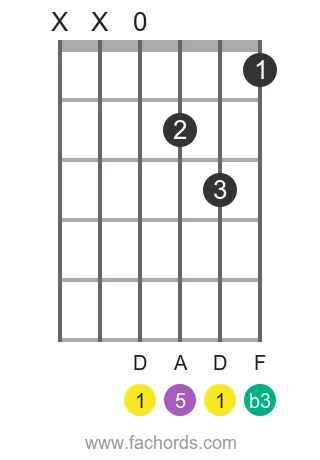
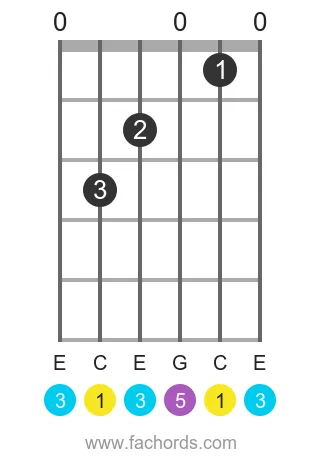
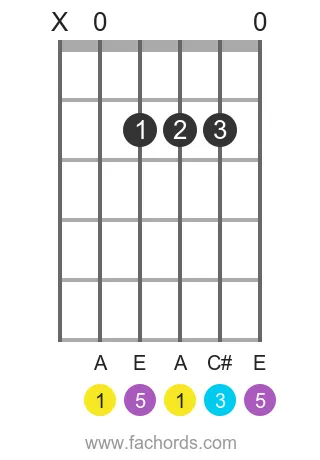
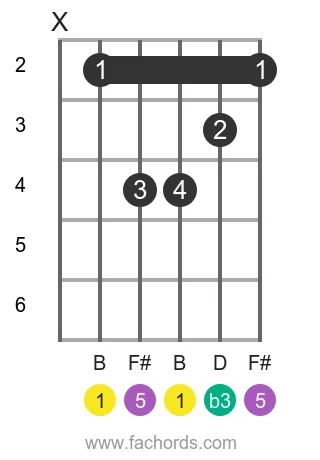
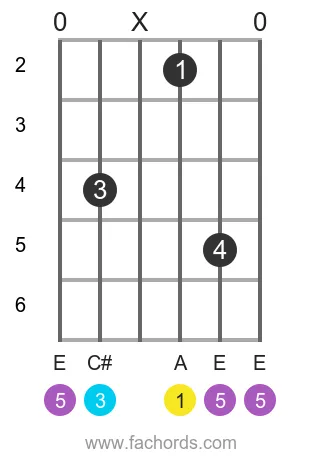
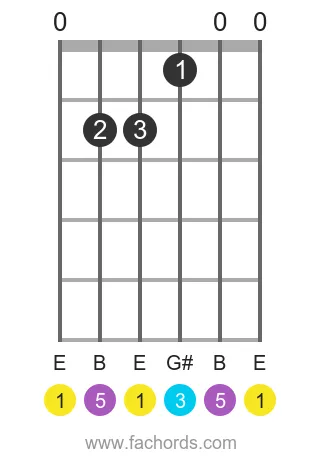
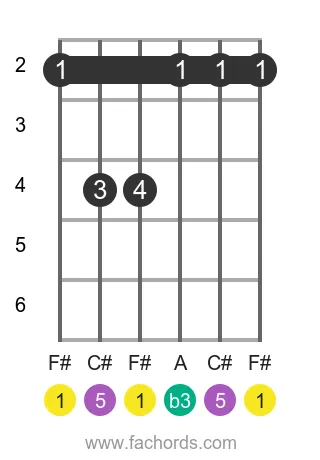
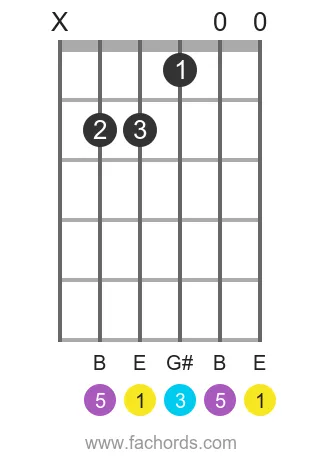
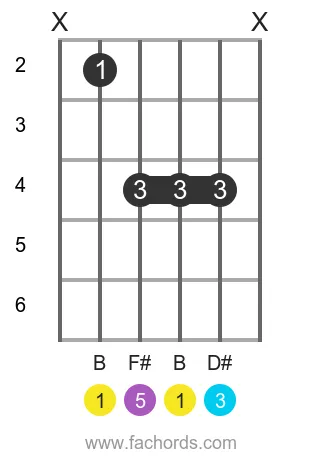
Press play to hear each key. The diagrams show the shapes used in the audio, and every chord links to its full page.
More progressions like this one
- Romanesca: Eb Bb Cm G Eb Bb Cm G Cm
- Neapolitan sixth: Cm Db/F G Cm
- Neapolitan in major: C Db G C
- German sixth approach: Ab7 G7 Cm

Created by
Giancarlo is a musician (teaching guitar since 2000), software engineer, AI consultant and published researcher
FAQ
What does the cadential six-four look like in each key?
In C major: Dm C/G G C. In G major: Am G/D D G. In D major: Em D/A A D. In A major: Bm A/E E A. In E major: F#m E/B B E.
Why is C/G not a real tonic in a cadential 6/4?
The bass is G, the dominant note, so the chord sits on the dominant. It works as a V with two suspensions, and E and C fall by step into the G chord.
Where does the name six-four come from?
It counts the upper notes up from the bass. In C/G, going up from G, the note E is a sixth away and C is a fourth away. Those two notes then fall by step.
What does a cadential six-four signal in a concerto?
It is the classic signal of a concerto cadenza. In general it adds weight just before the final V-I.
