Romanesca: The Relative Major Opening Behind Greensleeves
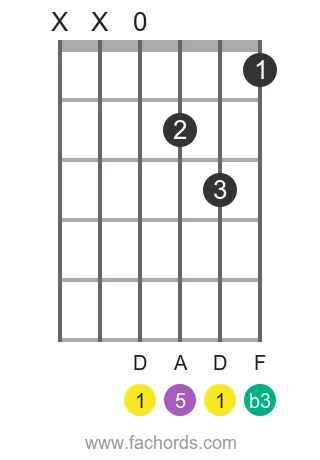
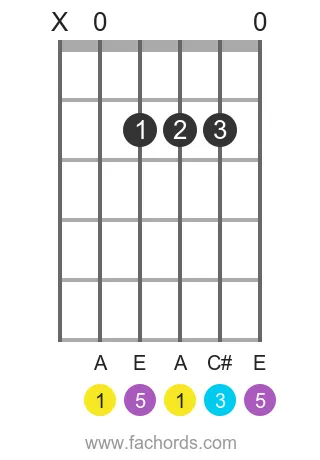
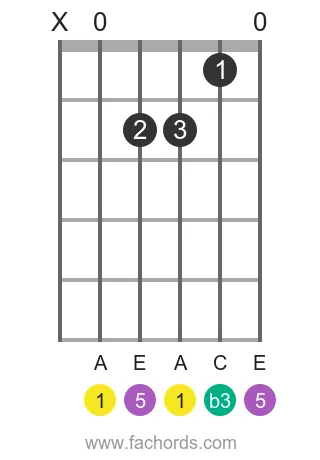
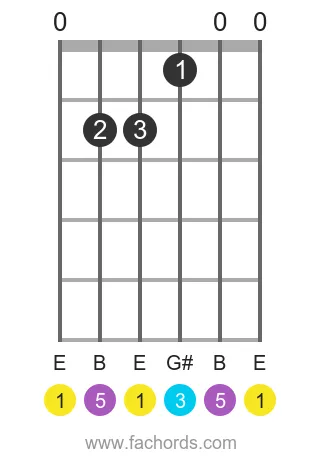
Here's a progression with real roots in the guitar family: Spanish vihuela players wrote variations on it. The Romanesca, also known as Guardame las vacas, is bIII-bVII-i-V-bIII-bVII-i-V-i. In A minor that's C G Am E C G Am E Am, four open shapes and nothing else.
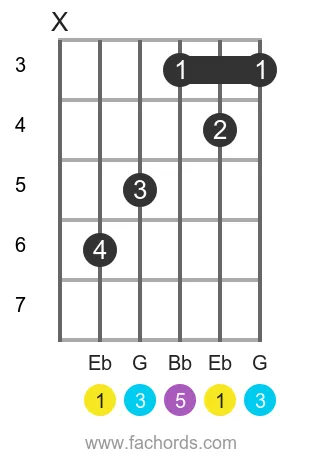
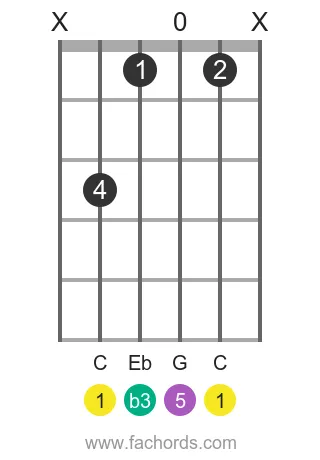
The Nashville Number System writes it b3 b7 1m 5 b3 b7 1m 5 1m. In C minor the chords are Eb Bb Cm G Eb Bb Cm G Cm, and only the G leaves the key, with its B natural. Hear how it runs in five keys, with audio.
One New Chord at the Start
The Romanesca is the passamezzo antico with a new first chord. It begins on the relative major, and the rest follows the same path. So try the swap for yourself:
- Passamezzo antico: Am G Am E C G Am E Am
- Romanesca: C G Am E C G Am E Am
Starting on C gives you a brighter, more songlike opening before the line sinks into Am. Play one, then the other, and pay attention to the first two bars.
Sinking Into the Minor
The form is one four-chord idea played twice, and then a last Am to close. Each time you reach E, you get the G#, a half step under A. The first E sends you back to the top, and only the second one lands on Am for good.
These four chords are the same ones you play in La Folia, in a different order. And if you make the E chord minor, so that C G Am E becomes C G Am Em, you get the major-key form, which is also how Pachelbel's Canon starts.
From Mudarra to Greensleeves
Romanesca, o Guardame las vacas (1546) by Alonso Mudarra uses the form for the whole piece. Greensleeves plays around it in the refrain, in A minor, so you can stay on the same shapes.
| Song | Artist | Section | Chords | Key |
|---|---|---|---|---|
| Greensleeves | Traditional | refrain | C G Em Am E C G Em Am E7 Am | A minor |
| Romanesca, o Guardame las vacas (1546) | Alonso Mudarra | the whole piece | bIII bVII i V bIII bVII i V i |
Look at what the Greensleeves refrain adds: C G Em Am E, then C G Em Am E7 Am. There's an Em between G and Am, and the last E becomes an E7. Play the plain form first, then add those two details.
Romanesca Chord Progression: Chords and Audio in C, G, D, A and E
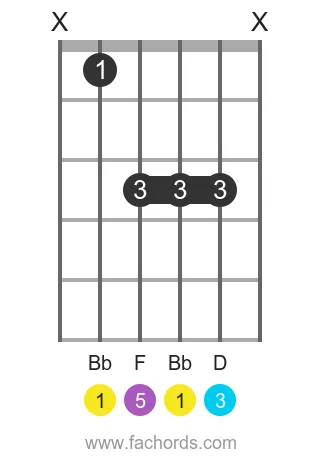
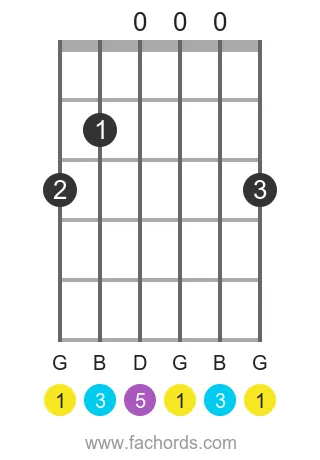
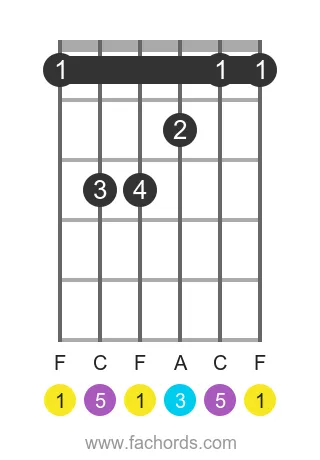
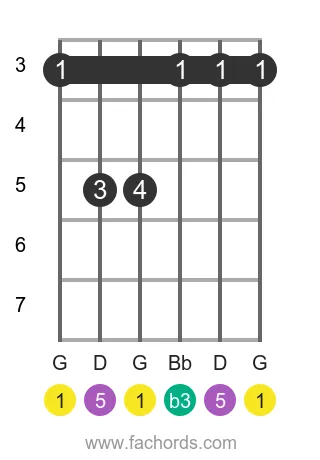
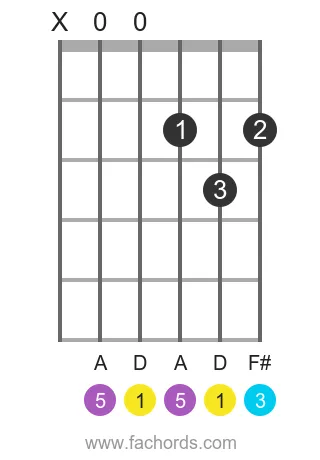
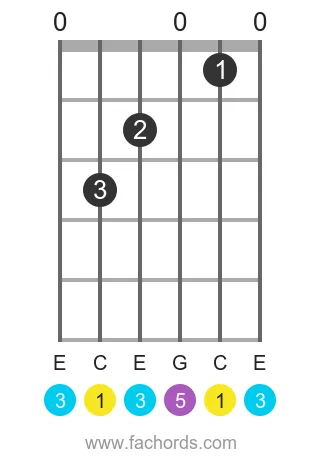
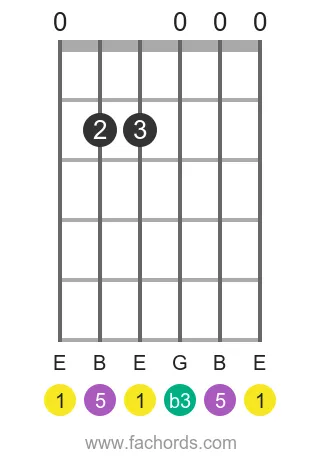
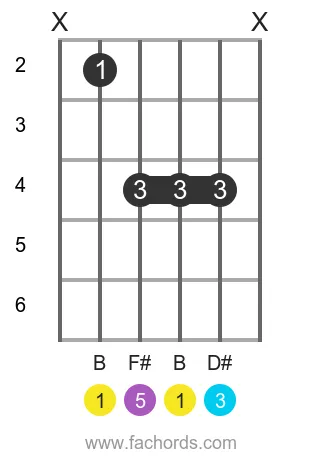
Press play to hear each key. The diagrams show the shapes used in the audio, and every chord links to its full page.
More progressions like this one
- Neapolitan sixth: Cm Db/F G Cm
- Neapolitan in major: C Db G C
- German sixth approach: Ab7 G7 Cm
- Omnibus progression: G7 Bb7/Ab Dm/A Bb7 G7/B C

Created by
Giancarlo is a musician (teaching guitar since 2000), software engineer, AI consultant and published researcher
FAQ
How does the Romanesca go in each key?
In C minor: Eb Bb Cm G Eb Bb Cm G Cm. In G minor: Bb F Gm D Bb F Gm D Gm. In D minor: F C Dm A F C Dm A Dm. In A minor: C G Am E C G Am E Am. In E minor: G D Em B G D Em B Em.
What is the difference between Romanesca and passamezzo antico?
The Romanesca is the passamezzo antico with a new first chord. It starts on the relative major, C in A minor, and the rest follows the same path.
Is Guardame las vacas the same as the Romanesca?
Yes, it is another name for this progression. Alonso Mudarra's piece from 1546 is called Romanesca, o Guardame las vacas, and it uses the form throughout.
Does Greensleeves use the Romanesca?
The refrain follows it in A minor, as C G Em Am E C G Em Am E7 Am. That adds an Em between each G and Am, and an E7 near the end.
