Coltrane Changes: The Giant Steps Cycle Spinning Through Three Tonics
Three tonics, four frets apart: on the low E string, G is at fret 3, B at fret 7 and Eb at fret 11. Those are the home bases of Coltrane changes, Imaj7-bIII7-bVImaj7-VII7-IIImaj7-V7-Imaj7. In G the full cycle is Gmaj7 Bb7 Ebmaj7 F#7 Bmaj7 D7 Gmaj7.
You'll hear it called the Giant Steps cycle, the Coltrane substitution or the Countdown formula. In the Nashville Number System it's 1(maj7) b3(7) b6(maj7) 7(7) 3(maj7) 5(7) 1(maj7). Before going further, take a look at the five keys.
One Octave Cut in Three
Three major chords a major third apart divide the octave equally. So no key area wins. G, Eb and B all get the same treatment, and the harmony seems to spin through three tonics before coming home.
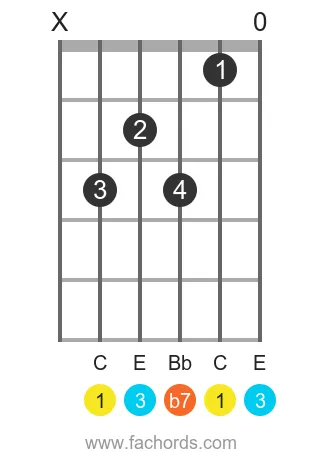
Written in C the cycle is Cmaj7 Eb7 Abmaj7 B7 Emaj7 G7 Cmaj7. The outsiders are Eb7, Abmaj7, B7 and Emaj7: everything except the tonic and its own V.
Each Tonic Gets Its Own Dominant
Pull the cycle apart and it's three small V-I moves in a row:
- Bb7 to Ebmaj7: V-I in Eb.
- F#7 to Bmaj7: V-I in B.
- D7 to Gmaj7: V-I in G.
That gives the bass a repeating pattern: up a minor third, up a fourth, up a minor third, up a fourth. Sing it before you play it.
A practice plan I suggest: start with the three maj7 chords only, Gmaj7 Ebmaj7 Bmaj7, at 60 bpm, until you can see them on the neck. Then add one dominant at a time. It's a lot of keys for seven chords, so don't rush this one. You can also try it as a substitute over a plain ii-V-I, which is how it's often used.
Giant Steps and Have You Met Miss Jones?
Look at the two songs side by side:
| Song | Artist | Section | Chords | Key |
|---|---|---|---|---|
| Giant Steps | John Coltrane | bars 5 to 7 | Gmaj7 Bb7 | Ebmaj7 F#7 | Bmaj7 (plays all seven chords in one run) | G major |
| Have You Met Miss Jones? | Rodgers and Hart | bridge | Bbmaj7 | Abm7 Db7 | Gbmaj7 | Em7 A7 | Dmaj7 | F major |
Giant Steps plays the first five chords of the cycle in bars 5 to 7, exactly as in G here. The bridge of Have You Met Miss Jones? visits three tonics a major third apart as well, Bbmaj7, Gbmaj7 and Dmaj7, but it reaches the last two with a ii-V: Abm7 Db7 and Em7 A7. Try it after the cycle and compare how the same idea sounds with a little more time on each stop.
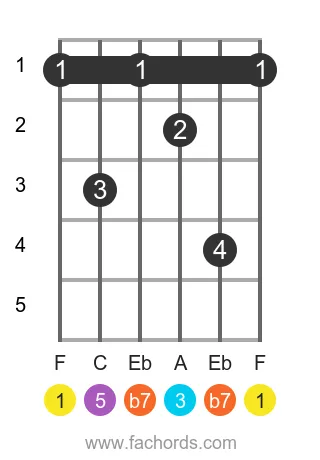
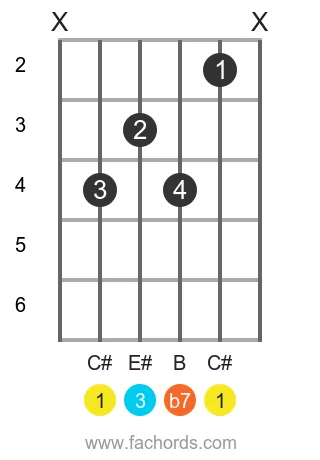
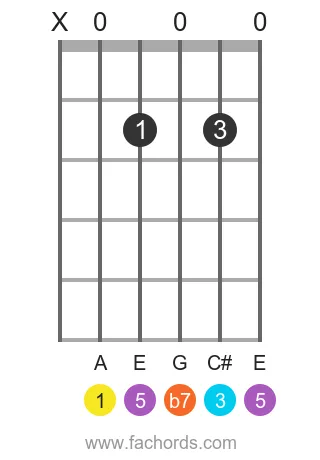
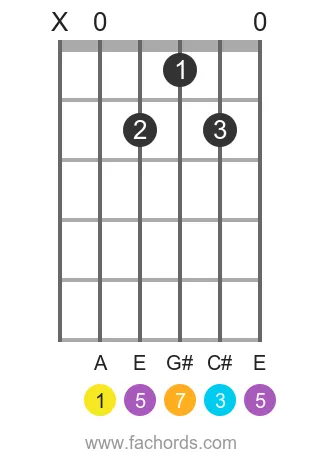
Coltrane Changes: Chords and Audio in C, G, D, A and E
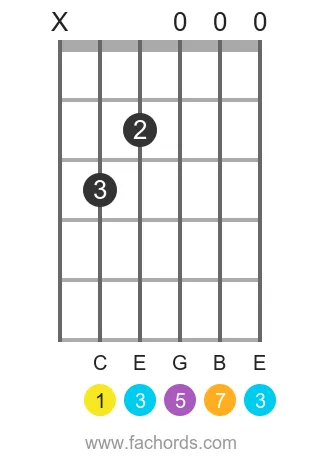
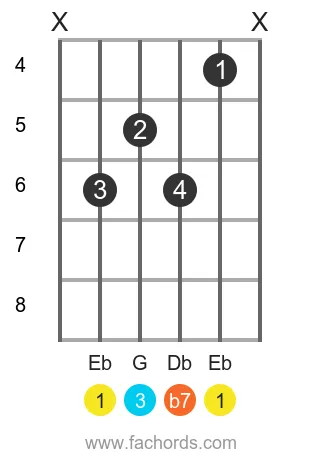
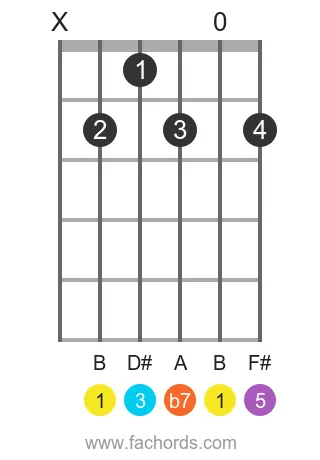
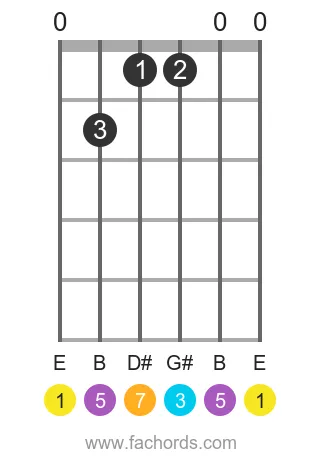
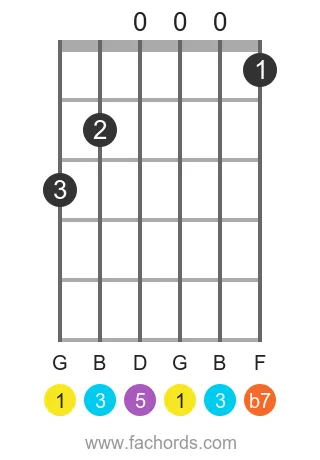
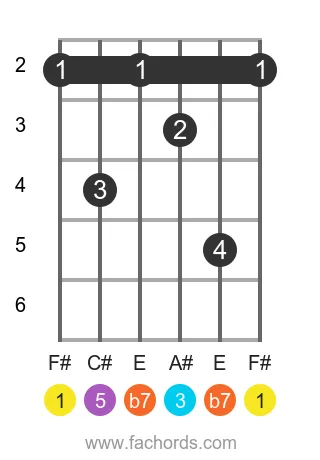
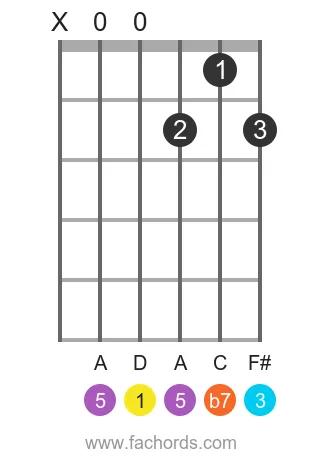
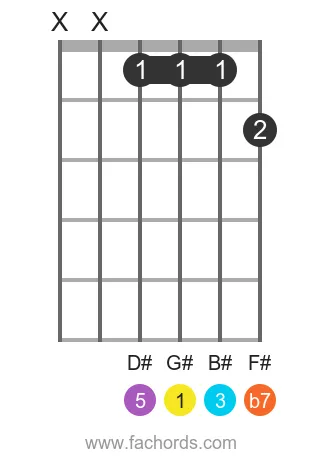
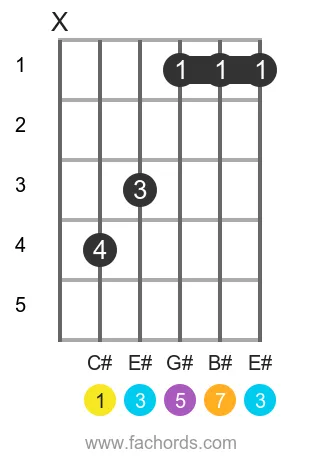
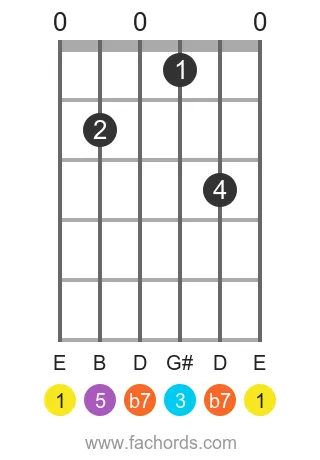
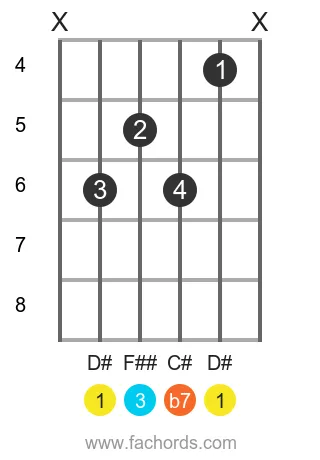
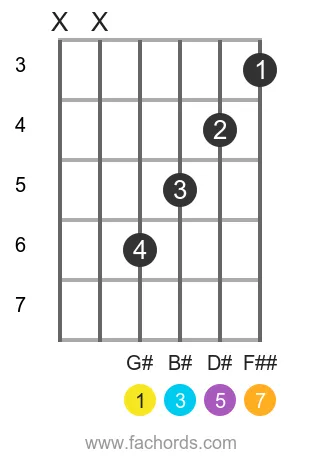
Press play to hear each key. The diagrams show the shapes used in the audio, and every chord links to its full page.








More progressions like this one
- Chromatic descending ii-Vs: Am7 D7 Abm7 Db7 Cmaj7
- Rhythm changes A section: C Am / Dm G / C Am / Dm G / C C7 / F Fm / C G / C
- Descending ii-V-Is: Cmaj7 Cm7 F7 Bbmaj7 Bbm7 Eb7 Abmaj7
- ii-V-I: Dm G C

Created by
Giancarlo is a musician (teaching guitar since 2000), software engineer, AI consultant and published researcher
FAQ
What are Coltrane changes?
They are a cycle of three major chords a major third apart, each reached by its own dominant. In C the chords are Cmaj7 Eb7 Abmaj7 B7 Emaj7 G7 Cmaj7. It is also called the Giant Steps cycle, the Coltrane substitution or the Countdown formula.
How do Coltrane changes look in other keys?
In C major: Cmaj7 Eb7 Abmaj7 B7 Emaj7 G7 Cmaj7. In G major: Gmaj7 Bb7 Ebmaj7 F#7 Bmaj7 D7 Gmaj7. In D major: Dmaj7 F7 Bbmaj7 C#7 F#maj7 A7 Dmaj7. In A major: Amaj7 C7 Fmaj7 G#7 C#maj7 E7 Amaj7. In E major: Emaj7 G7 Cmaj7 D#7 G#maj7 B7 Emaj7.
Why do Coltrane changes sound like they have no key?
Three major chords a major third apart divide the octave equally, and each gets its own dominant. No key area wins, so the harmony seems to spin through three tonics before coming home.
Where can I hear Coltrane changes?
Giant Steps by John Coltrane plays Gmaj7 Bb7 Ebmaj7 F#7 Bmaj7 in bars 5 to 7. The bridge of Have You Met Miss Jones? by Rodgers and Hart moves through Bbmaj7, Gbmaj7 and Dmaj7.