Diminished Passing Chords: A Chain That Climbs in Half Steps
C, C#, D, D#, E: put that bass under some chords and you've got the diminished passing chain, Imaj7-#Idim7-ii7-#IIdim7-iii7-VI7. In the key of C that's Cmaj7 C#dim7 Dm7 D#dim7 Em7 A7.
You'll also meet it as ascending diminished passing chords, and in the Nashville Number System it's 1(maj7) #1dim7 2m(7) #2dim7 3m(7) 6(7). Three chords sit outside the key of C: C#dim7 brings C# and Bb, D#dim7 brings D# and F#, and A7 brings C#. Check the diagrams and audio in five keys, then come back.
The Gaps Between I, ii and iii
Without the diminished chords you'd have Cmaj7 Dm7 Em7, three chords a whole step apart. The dim7 chords fill the gaps, so the bass climbs by half steps. On the A string that's frets 3, 4, 5, 6 and 7, one fret per chord. Play those five notes first, slowly, then add the chords on top. It's a common way to add motion to the first bars of a tune.
Each Dim7 Is a Dominant in Disguise
Here's the part I like. Each one works as a rootless dominant seven flat nine:
- C#dim7 (C# E G Bb) is A7b9 without its A, and it goes to Dm7.
- D#dim7 (D# F# A C) is B7b9 without its B, and it goes to Em7.
So each passing chord is really a small secondary dominant aimed at the next chord. The last chord, A7, is the V of Dm7 with its root in place, though the loop goes back to Cmaj7 first.
Now watch what the notes do. Cmaj7 keeps E and G going into C#dim7, and Dm7 keeps A and C going into D#dim7. But leaving a dim7, nothing stays: every note of it moves. Listen for that squeeze on each passing chord, then the release on the next one. For the shapes themselves, see these diminished guitar chords.
Where the Songs Stop Climbing
The songs don't all go the full distance:
| Song | Artist | Section | Chords | Key |
|---|---|---|---|---|
| I Got Rhythm (rhythm changes variant) | George Gershwin | A section, bars 1 to 3 | Bb Bo7 | Cm C#o7 | Dm G7 | Bb major |
| It Could Happen to You | Jimmy Van Heusen | bars 1 to 5, reharmonised | Eb | Eo7 | Fm | F#o7 | Gm | Eb major |
- I Got Rhythm (rhythm changes variant) is in Bb and runs Bb Bo7, Cm C#o7, Dm G7 (o7 means dim7), so the last pair is iii and VI7, just like Em7 A7 in C.
- It Could Happen to You is a reharmonised version in Eb: Eb, Eo7, Fm, F#o7, Gm. It stops on iii.
Want a shorter version with one passing chord? That's I-#Idim-ii-V.
Diminished Passing Chords: Chords and Audio in C, G, D, A and E
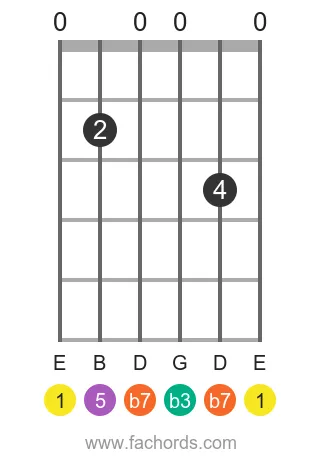
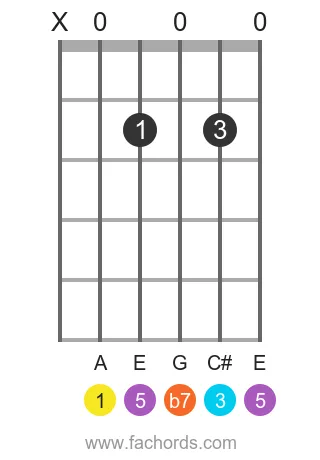
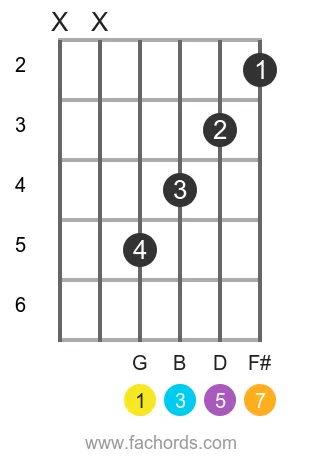
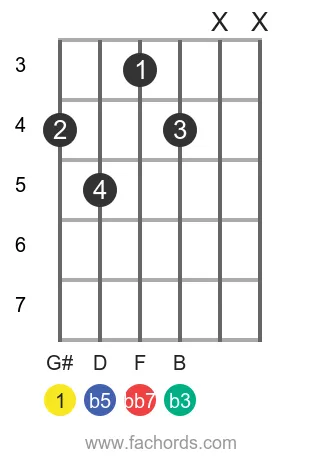
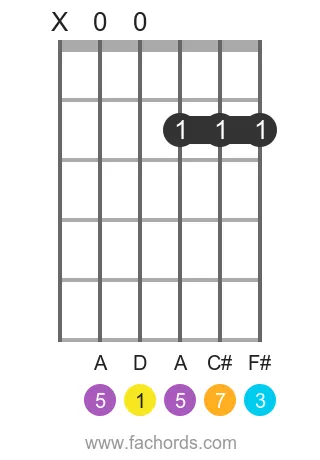
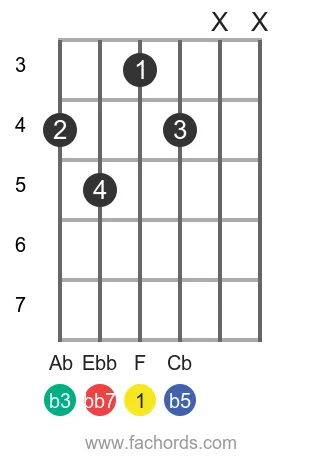
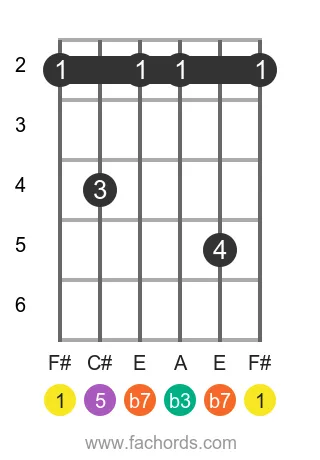
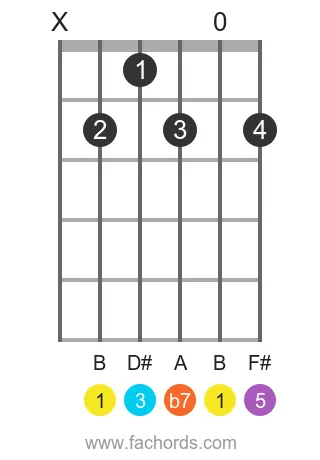
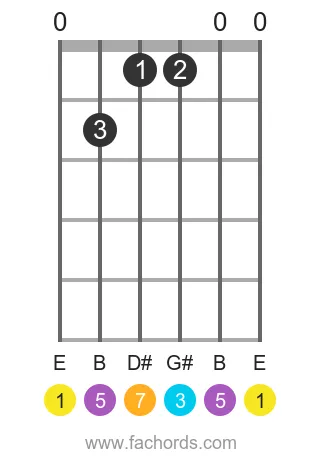
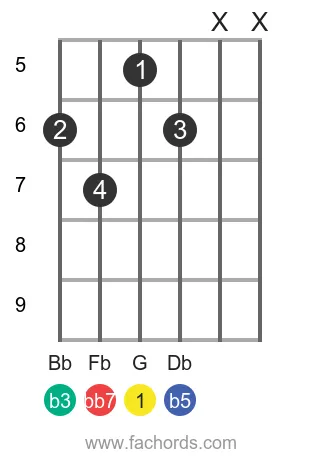
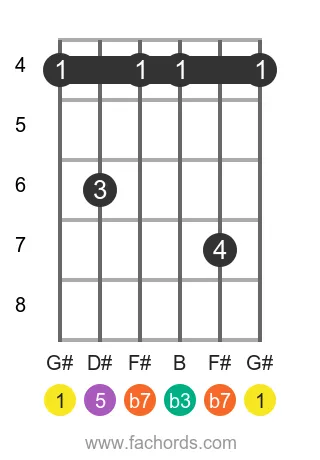
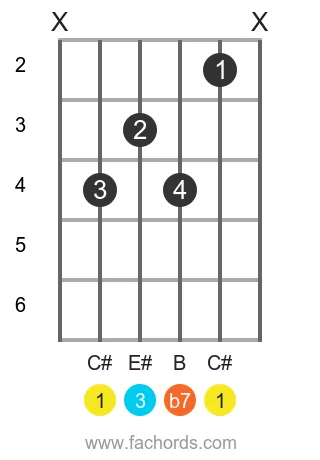
Press play to hear each key. The diagrams show the shapes used in the audio, and every chord links to its full page.
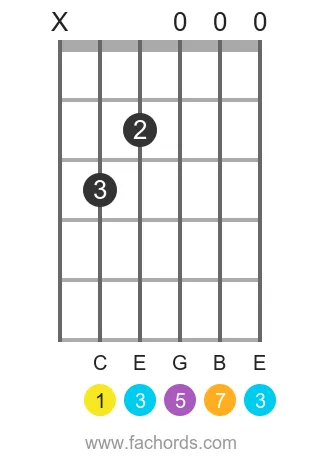
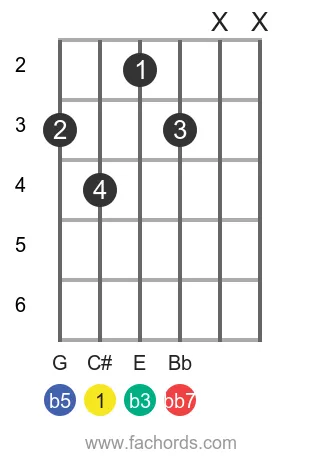
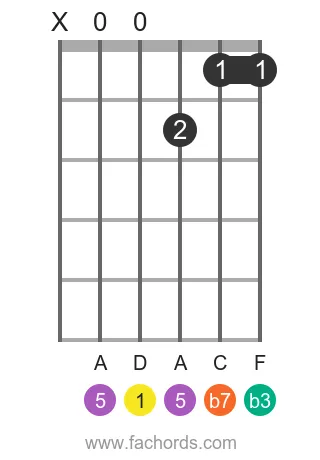
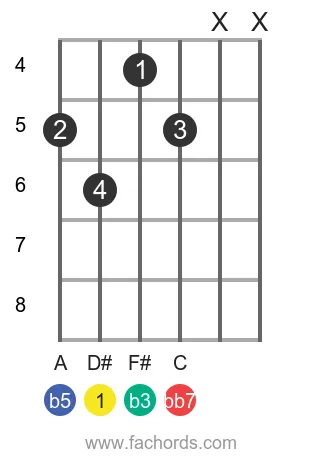
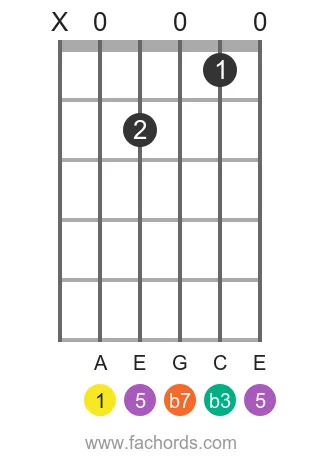
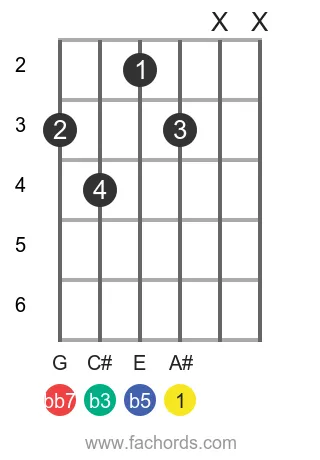
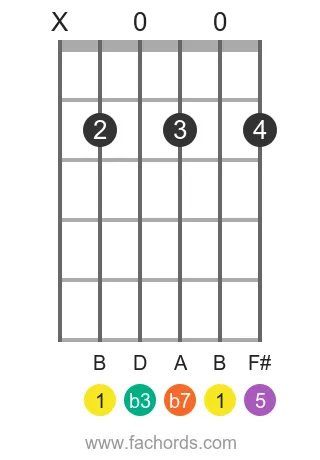
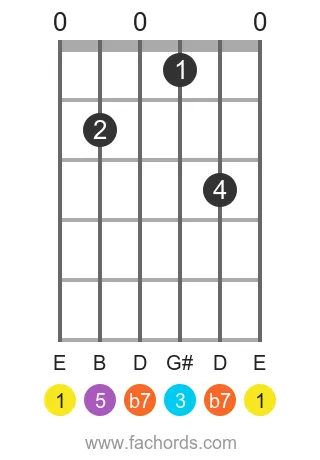
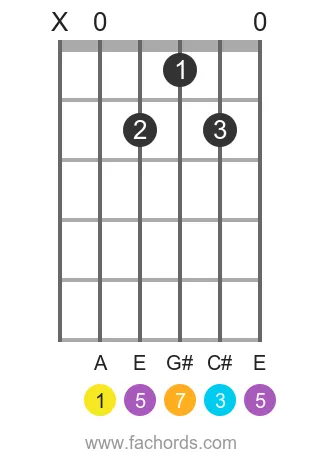
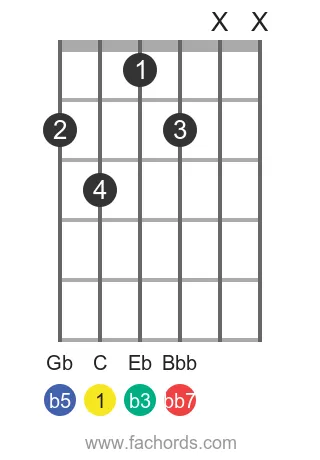
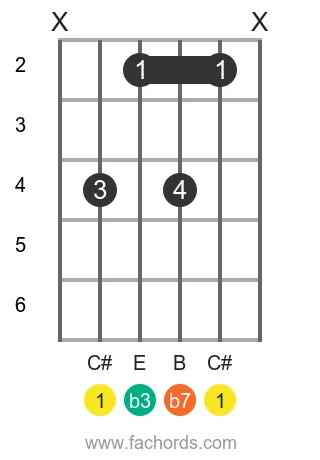
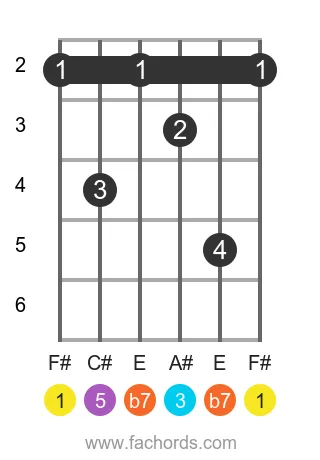
More progressions like this one
- Sharp four diminished: F F#dim7 C/G
- Autumn Leaves changes: Fm7 Bb7 Ebmaj7 Abmaj7 Dm7b5 G7 Cm
- Coltrane changes: Cmaj7 Eb7 Abmaj7 B7 Emaj7 G7 Cmaj7
- Chromatic descending ii-Vs: Am7 D7 Abm7 Db7 Cmaj7

Created by
Giancarlo is a musician (teaching guitar since 2000), software engineer, AI consultant and published researcher
FAQ
What are diminished passing chords?
They are diminished sevenths that fill the gaps between diatonic chords, so the bass climbs by half steps. In C, C#dim7 sits between Cmaj7 and Dm7, and D#dim7 sits between Dm7 and Em7.
How do the diminished passing chords look in each key?
In C major: Cmaj7 C#dim7 Dm7 D#dim7 Em7 A7. In G major: Gmaj7 G#dim7 Am7 A#dim7 Bm7 E7. In D major: Dmaj7 D#dim7 Em7 Fdim7 F#m7 B7. In A major: Amaj7 A#dim7 Bm7 Cdim7 C#m7 F#7. In E major: Emaj7 Fdim7 F#m7 Gdim7 G#m7 C#7.
Why does C#dim7 lead so well to Dm7?
C#dim7 has the notes C#, E, G and Bb, which are A7b9 without the root. So it works as a rootless dominant of Dm7, and its bass rises a half step into the D.
Which songs use ascending diminished passing chords?
Rhythm changes variants of I Got Rhythm play Bb Bo7 Cm C#o7 Dm G7. It Could Happen to You has a reharmonised version in Eb.
