Diatonic Circle of Fifths: Seven Roots, Eight Chords, One Key
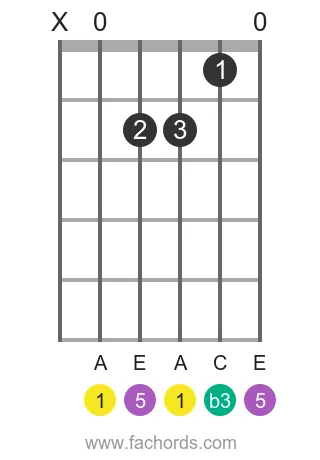
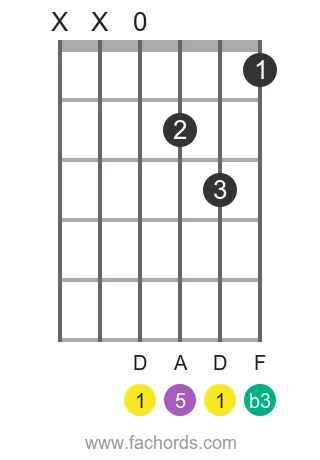
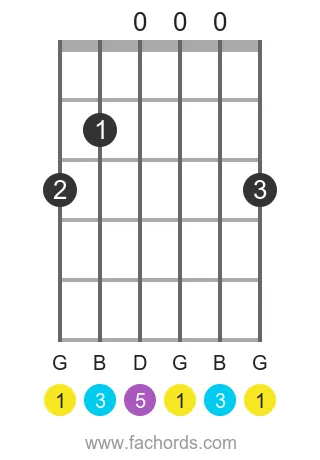
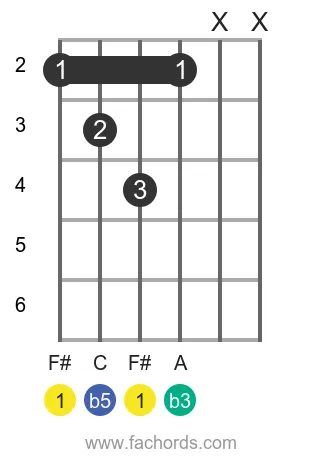
Can you get through every note of a scale, as a root, without leaving the key? The diatonic circle of fifths does: I-IV-viidim-iii-vi-ii-V-I, or C F Bdim Em Am Dm G C in the key of C. You'll also find it called the circle of fifths progression or the diatonic cycle. In the Nashville Number System it's 1 4 7dim 3m 6m 2m 5 1, and the chords and audio in five keys are ready to go.
The One Fifth That Has to Bend
Play only the roots first: C, F, B, E, A, D, G, C. That's all seven notes of the major scale, in falling fifths, before C comes back.
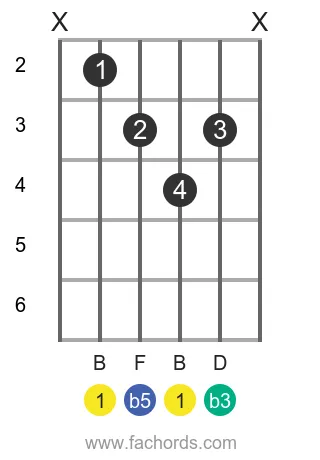
Now look at F to B. A perfect fifth under F would be Bb, and Bb isn't in C major. So the sequence takes a diminished fifth there, half a step smaller than the others, and that's how it stays in key. It's also why Bdim is in the middle of the chain: it's the chord the major scale gives you on that note. On the full circle of fifths the next stop after F would be that Bb, and you'd leave the key.
Each chord sets up the next one in the same way, so listen to how the chain seems to keep rolling on. A good test: stop on any chord in the middle, and see if you want to hear the next one.
From Handel to Gloria Gaynor
This was a Baroque staple, especially in minor, and the list shows it.
| Song | Artist | Section | Chords | Key |
|---|---|---|---|---|
| I Will Survive | Gloria Gaynor | verse and chorus | Am Dm G Cmaj7 Fmaj7 Bm7(b5) E7sus4 E7 | A minor |
| Passacaglia, Suite in G minor HWV 432 | George Frideric Handel | main theme | minor form of the cycle | G minor |
| Fly Me to the Moon | Bart Howard | A section | Am7 | Dm7 | G7 | Cmaj7 | Fmaj7 | Bm7b5 | E7 | Am7 | C major |
The Passacaglia, Suite in G minor HWV 432 by Handel uses the minor form of the cycle for its main theme.
Fly Me to the Moon and I Will Survive walk the same order of roots, but both start on Am, and both change two chords:
- Bdim becomes a half-diminished Bm7b5, one seventh added on top.
- Em becomes E7, a dominant seventh with a G#, and that's a note from outside C major. It pushes back to Am.
So try both. Play the plain diatonic chain in C, then the Fly Me to the Moon order: Am7 Dm7 G7 Cmaj7 Fmaj7 Bm7b5 E7 Am7. Give each chord one bar, and listen to what E7 does as you loop back to Am.
Diatonic Circle of Fifths Chord Progression: Chords and Audio in C, G, D, A and E
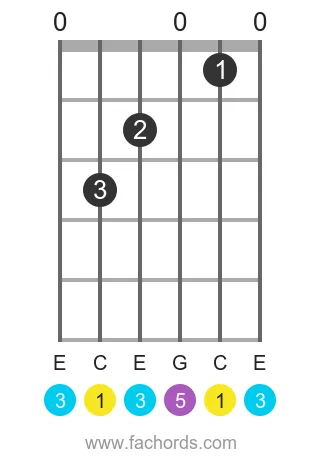
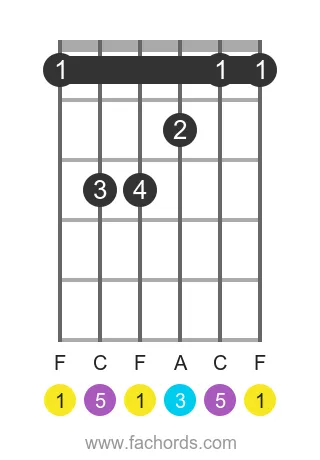
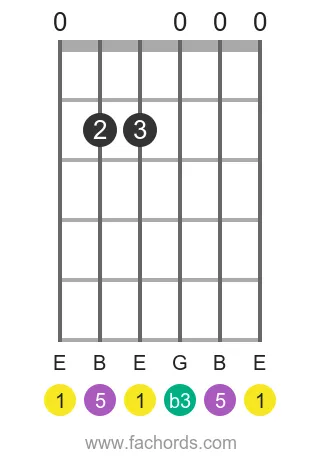
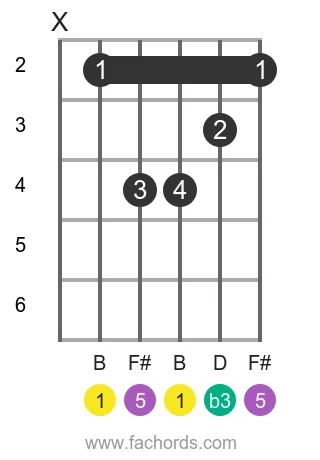
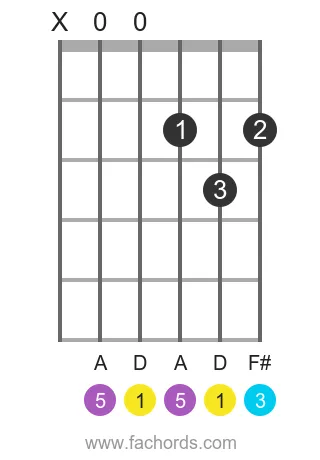
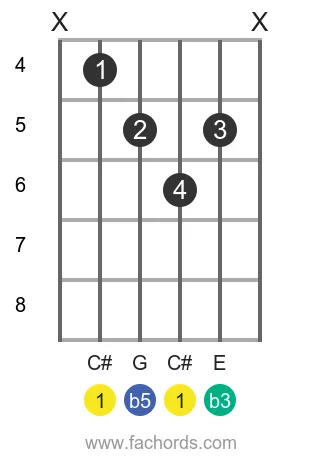
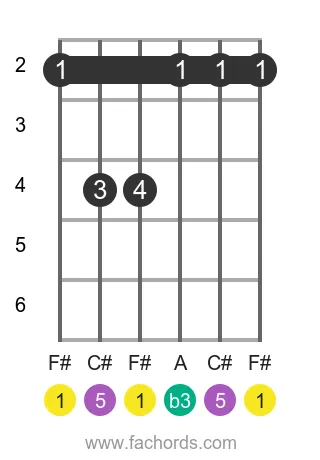
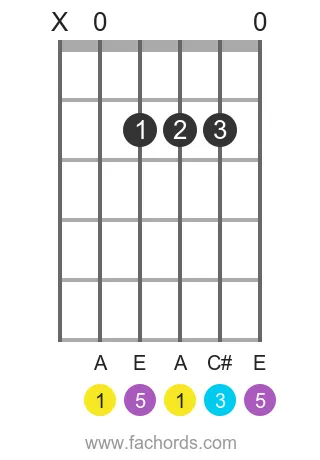
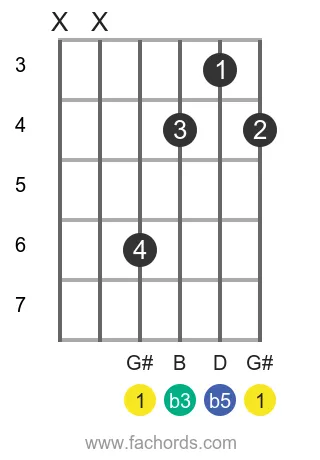
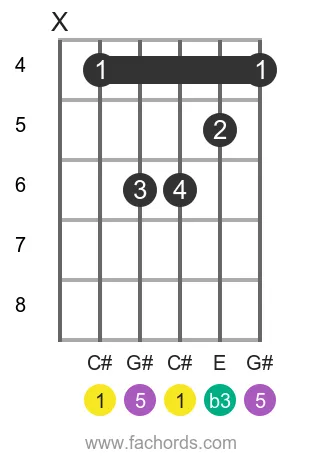
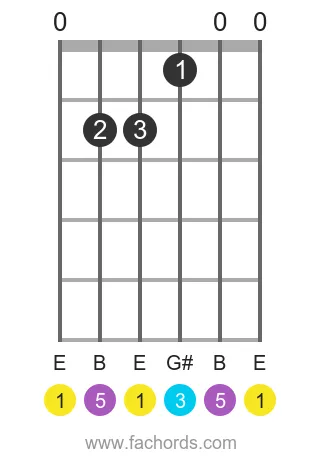
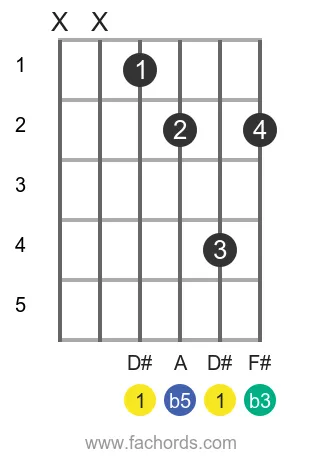
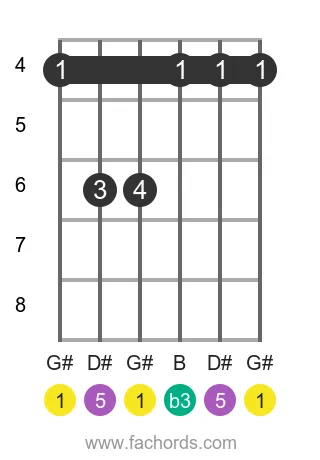
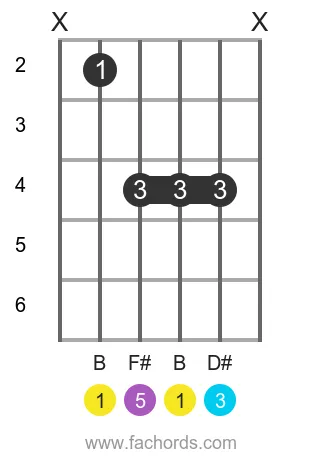
Press play to hear each key. The diagrams show the shapes used in the audio, and every chord links to its full page.
Shorter progressions inside it
- ii-V-I: Dm G C
- iii-vi-ii-V: Em Am Dm G
More progressions like this one
- iii-VI-ii-V turnaround: Em A7 Dm G7
- Sears Roebuck bridge: E7 A7 D7 G7
- Tritone substitution cadence: Dm7 Db7 Cmaj7
- Tadd Dameron turnaround: Cmaj7 Eb7 Ab7 Db7

Created by
Giancarlo is a musician (teaching guitar since 2000), software engineer, AI consultant and published researcher
FAQ
How do you spell the diatonic cycle in C, G and D?
In C major: C F Bdim Em Am Dm G C. In G major: G C F#dim Bm Em Am D G. In D major: D G C#dim F#m Bm Em A D.
Why is there a diminished chord in the diatonic cycle?
The roots must stay in the key, so F falls to B, a diminished fifth, and not to Bb. The chord the major scale gives on B is Bdim.
Which songs use the circle of fifths progression?
Fly Me to the Moon by Bart Howard and I Will Survive by Gloria Gaynor walk the same order of roots starting on Am, and Handel uses the minor form in his Passacaglia.
