The Omnibus Progression: A Wedge That Stretches a V7 Chord
Take E7 G7/F Bm/F# G7 E7/G# A. On paper it's a scary list, and the numerals don't help: V7-bVII7/b6-ii/6-bVII7-V7/7-I. But under your fingers this is the omnibus progression, also called the wedge progression, and it's two lines going in opposite directions. I've put it in A major because it fits the open strings so well.
In the Nashville Number System it reads 5(7) b7(7)/b6 2m/6 b7(7) 5(7)/7 1. It's worth hearing before you read on, so try the audio in five keys first.
A Voice Exchange, Not a Chord List
The omnibus isn't really a fixed chord list, it's a chromatic voice exchange. The bass climbs by half steps from 5 to 7, the top voice falls from 7 to 5, and the middle voices hold. Everything else follows from that. In the key of C the chords are G7 Bb7/Ab Dm/A Bb7 G7/B C, and you can read the lines like this:
- Bass: G, Ab, A, Bb, B
- Top voice: B, Bb, A, Ab, G
- Middle voices: D and F, held the whole time
Bb7/Ab and Bb7 are the two chords outside the key of C, and they only appear because of those moving lines. They contain the same notes as each other, with a different bass.
Mirror Frets on the Outer Strings
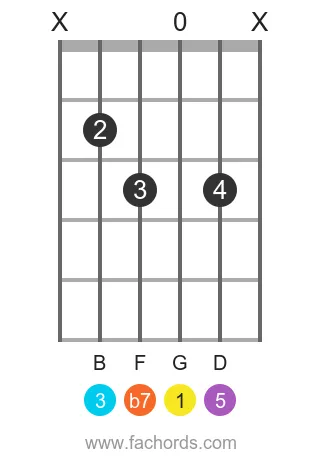
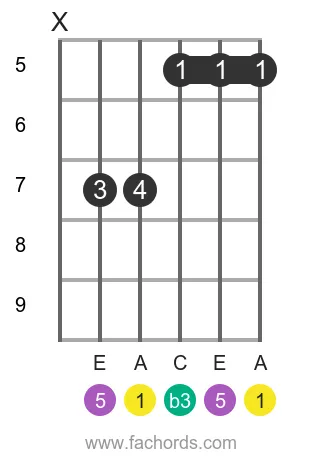
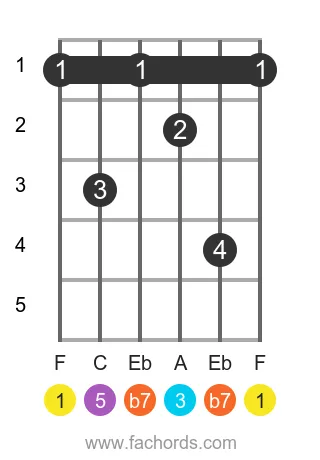
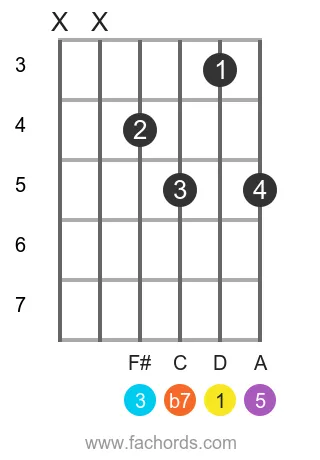
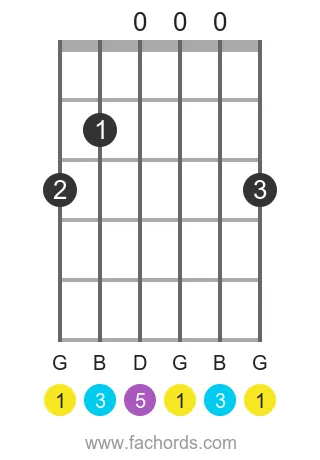
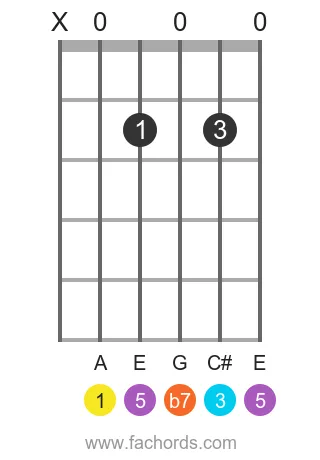
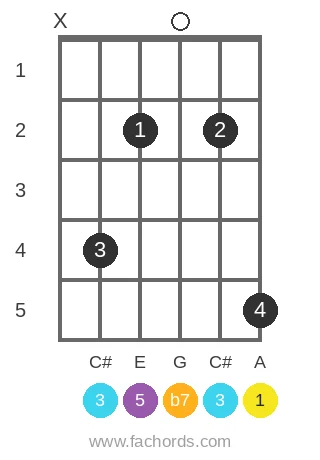
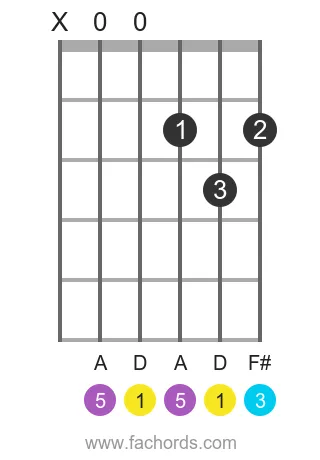
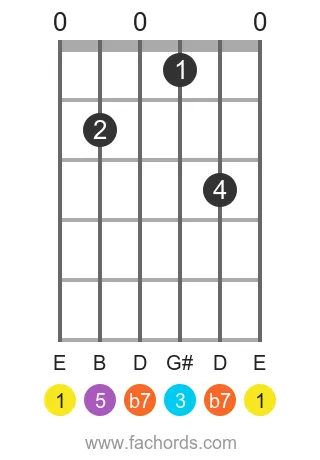
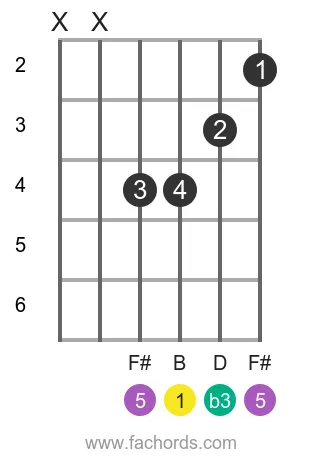
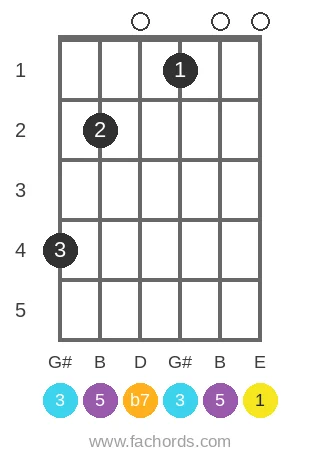
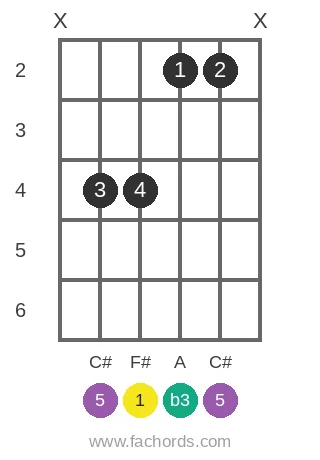
Here's my favourite thing about the key of A. The middle voices are B and D, which are open strings. So you can play the whole thing with the sixth string, the fourth string, the second string and the first string, and mute the fifth and third:
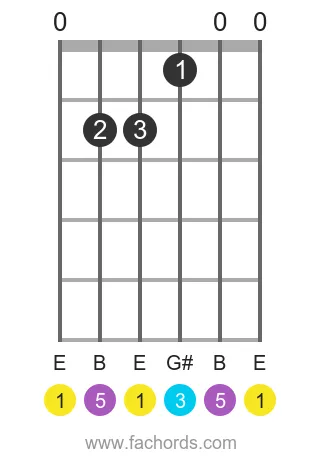
- E7: sixth string open, first string fret 4
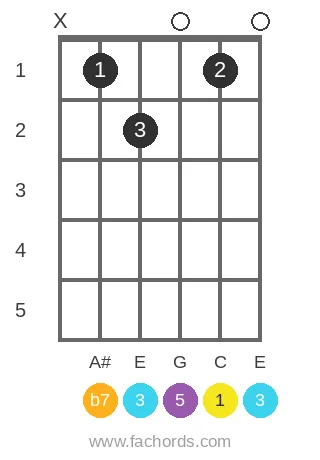
- G7/F: sixth string fret 1, first string fret 3
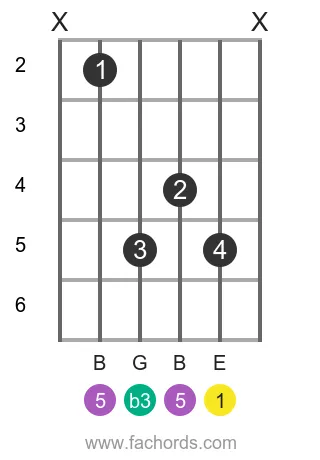
- Bm/F#: sixth string fret 2, first string fret 2
- G7: sixth string fret 3, first string fret 1
- E7/G#: sixth string fret 4, first string open
One hand position, two fingers moving in mirror image. Start at 60 bpm, with one chord per bar, and let the open D and B ring. Then end on a plain A chord.
Same Chord, Turned Upside Down
Look at the two ends of that list. You start on E7 and you end on E7. So a V7 has been stretched until it returns in first inversion, with G# now in the bass and E on top. The two outer notes have swapped places, and that swap is the voice exchange.
And that swap is what sends you home. G# sits a half step under A, so the bass has one more step to take. Stop on E7/G# and wait a moment before you play the A. Do it a second time and stop on the first E7 instead, then go to A. The chord is the same, but the bass isn't.
Chopin's Distant Keys and a Growing Christmas Tree
The sound is slow and mysterious, like something being pressed from two sides, and the omnibus can also slide into distant keys. These four pieces show how far you can take the idea, so listen to them with the two lines in your head.
| Song | Artist | Section | Chords | Key |
|---|---|---|---|---|
| Nocturne in D-flat major, Op. 27 No. 2 | Frederic Chopin | two iterations in a row, with the diminished variant | omnibus from a dominant seventh in C# minor to one in G major | Db major |
| Scherzo, Op. 4 | Johannes Brahms | mm. 38-41 | omnibus around F#7 | B major |
| Piano Sonata in A minor, D 845, first movement | Franz Schubert | transition to the second theme | bass falls chromatically from B to F# | |
| The Nutcracker | Pyotr Ilyich Tchaikovsky | as the Christmas tree grows | wedge progression | E minor |
- Nocturne in D-flat major, Op. 27 No. 2 by Chopin runs two iterations in a row with the diminished variant, going from a dominant seventh in C# minor to one in G major.
- Piano Sonata in A minor, D 845, first movement by Schubert has the bass falling chromatically from B to F# in the transition to the second theme.
- Scherzo, Op. 4 by Brahms builds one around F#7 in measures 38 to 41.
- The Nutcracker by Tchaikovsky uses a wedge progression as the Christmas tree grows.
If lines like these get you interested, go on with voice leading on guitar.
Omnibus Progression: Chords and Audio in C, G, D, A and E
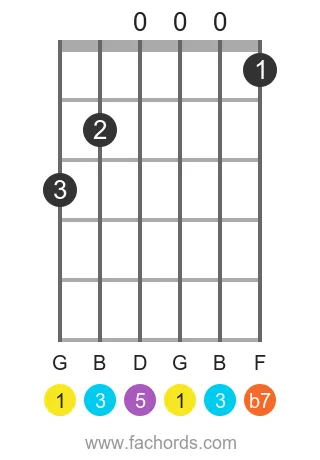
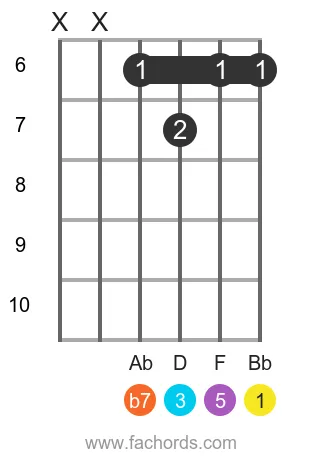
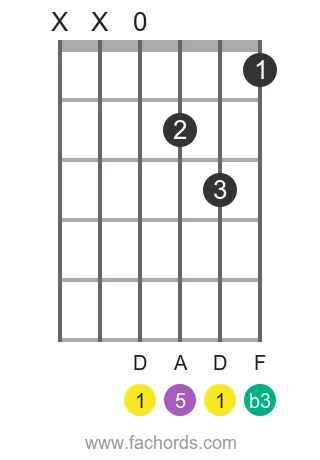
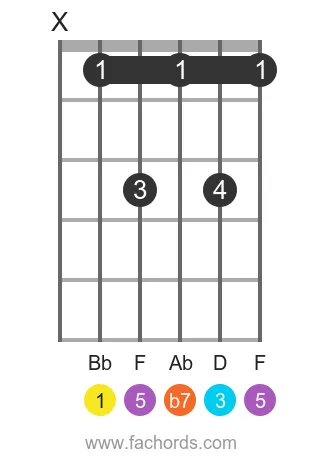
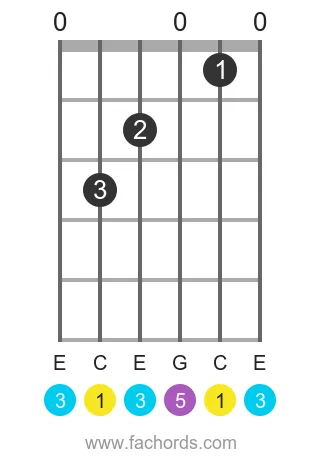
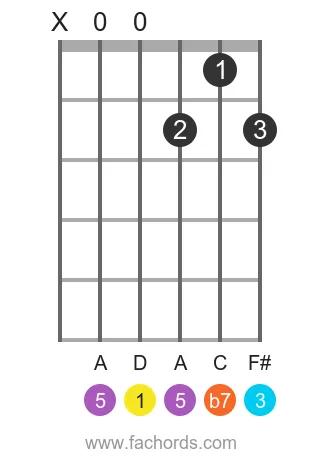
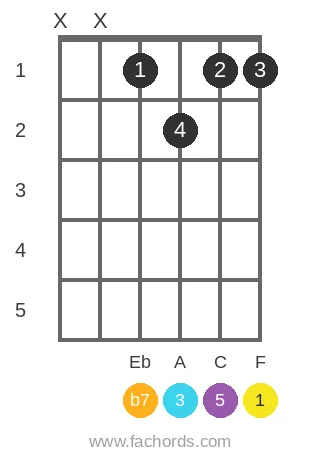
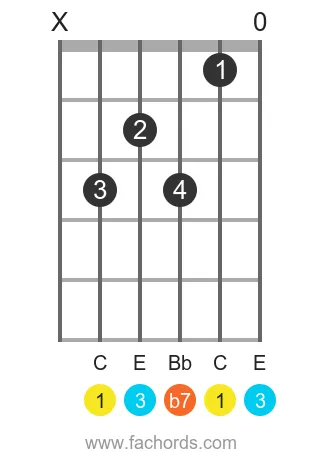
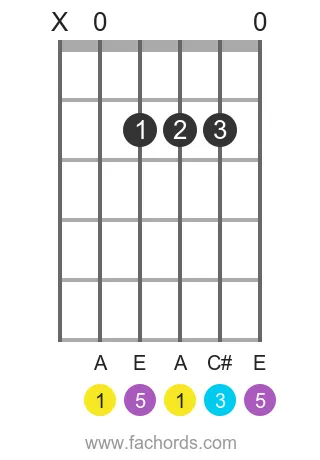
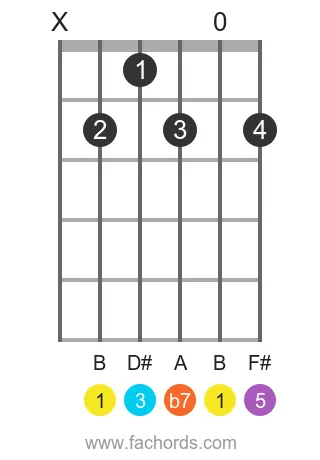
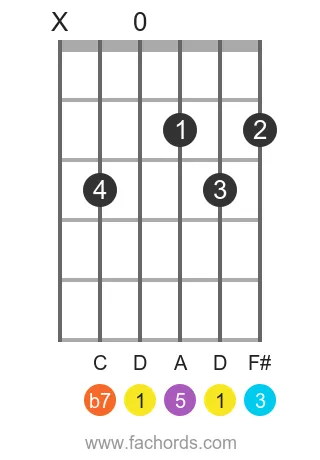
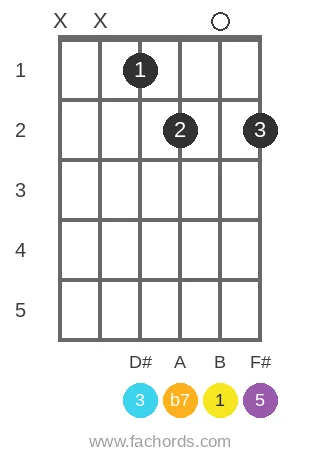
Press play to hear each key. The diagrams show the shapes used in the audio, and every chord links to its full page.

More progressions like this one
- Stomp progression: F7 F#dim7 / C7/G C7 / F7 F#dim7 / C7/G C7 / F7 F#dim7 / C7/G A7 / D7 / G7 C7
- Half cadence: F G
- La Folia: Cm G Cm Bb Eb Bb Cm G
- Pachelbel's Canon progression: C G Am Em F C F G

Created by
Giancarlo is a musician (teaching guitar since 2000), software engineer, AI consultant and published researcher
FAQ
How is the omnibus spelled in each key?
In C major: G7 Bb7/Ab Dm/A Bb7 G7/B C. In G major: D7 F7/Eb Am/E F7 D7/F# G. In D major: A7 C7/Bb Em/B C7 A7/C# D. In A major: E7 G7/F Bm/F# G7 E7/G# A. In E major: B7 D7/C F#m/C# D7 B7/D# E.
What is an omnibus progression in music theory?
It is a chromatic voice exchange, not a fixed chord list. The bass climbs by half steps from 5 to 7, the top voice falls from 7 to 5, and the middle voices hold.
Is the wedge progression the same as the omnibus?
Yes, wedge progression is another name for it. The two outer lines move in opposite directions while the middle voices hold, so a V7 chord returns in first inversion.
Which classical pieces use the omnibus progression?
Chopin's Nocturne Op. 27 No. 2 runs two iterations in a row. Brahms uses it around F#7 in his Scherzo Op. 4, and Tchaikovsky uses a wedge progression in The Nutcracker as the Christmas tree grows.
